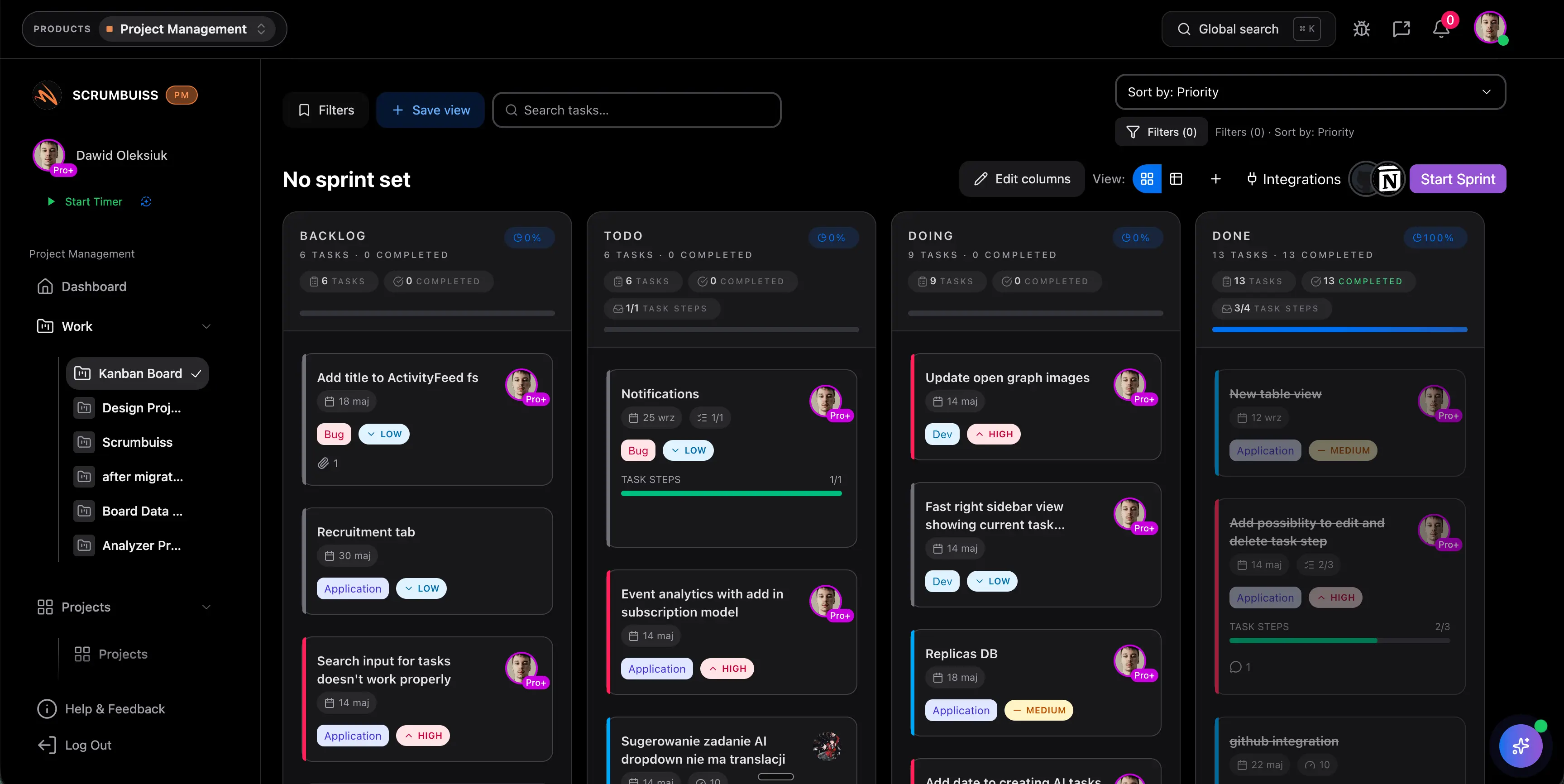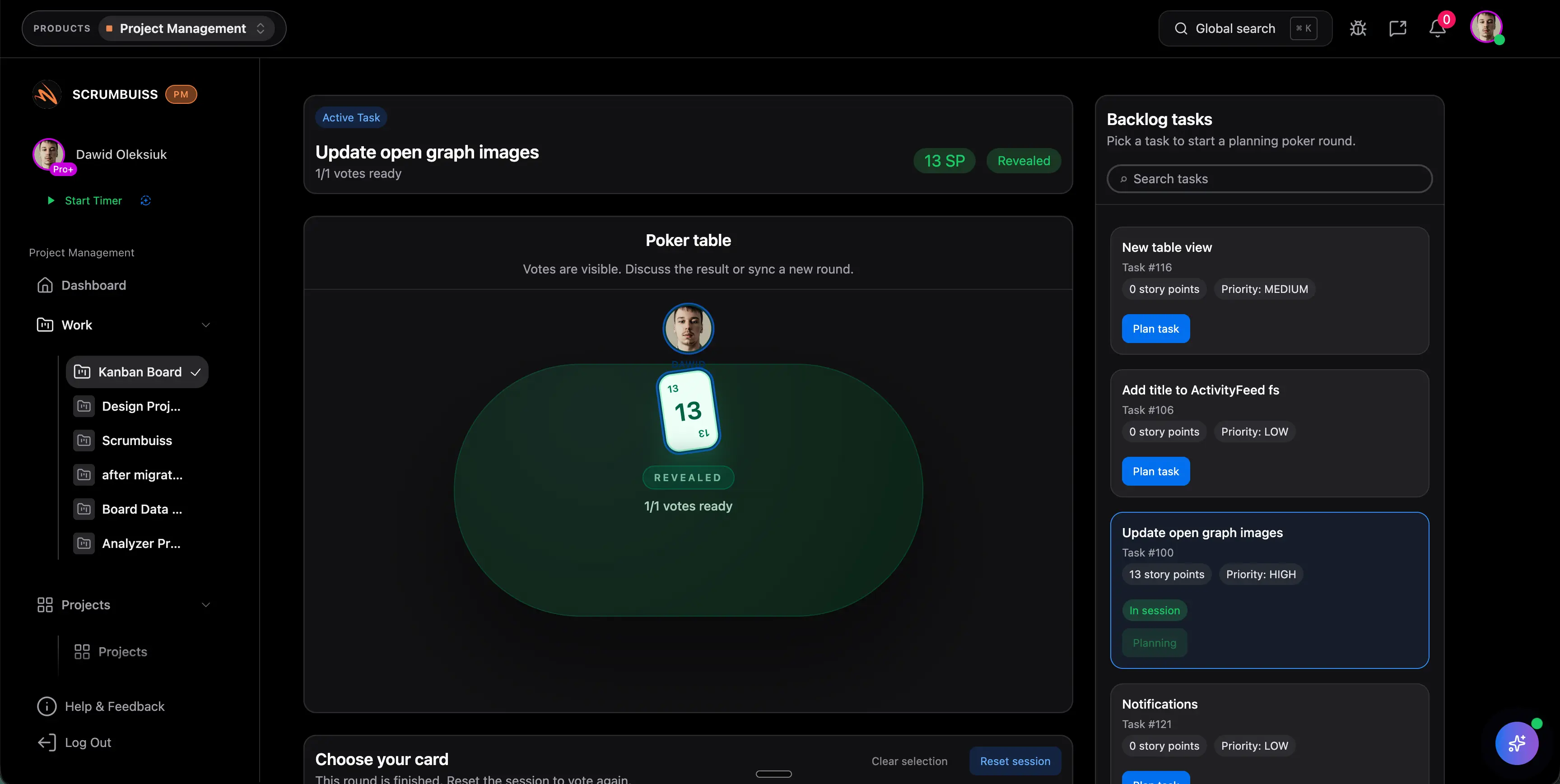
Plan sprint commitments with shared delivery context
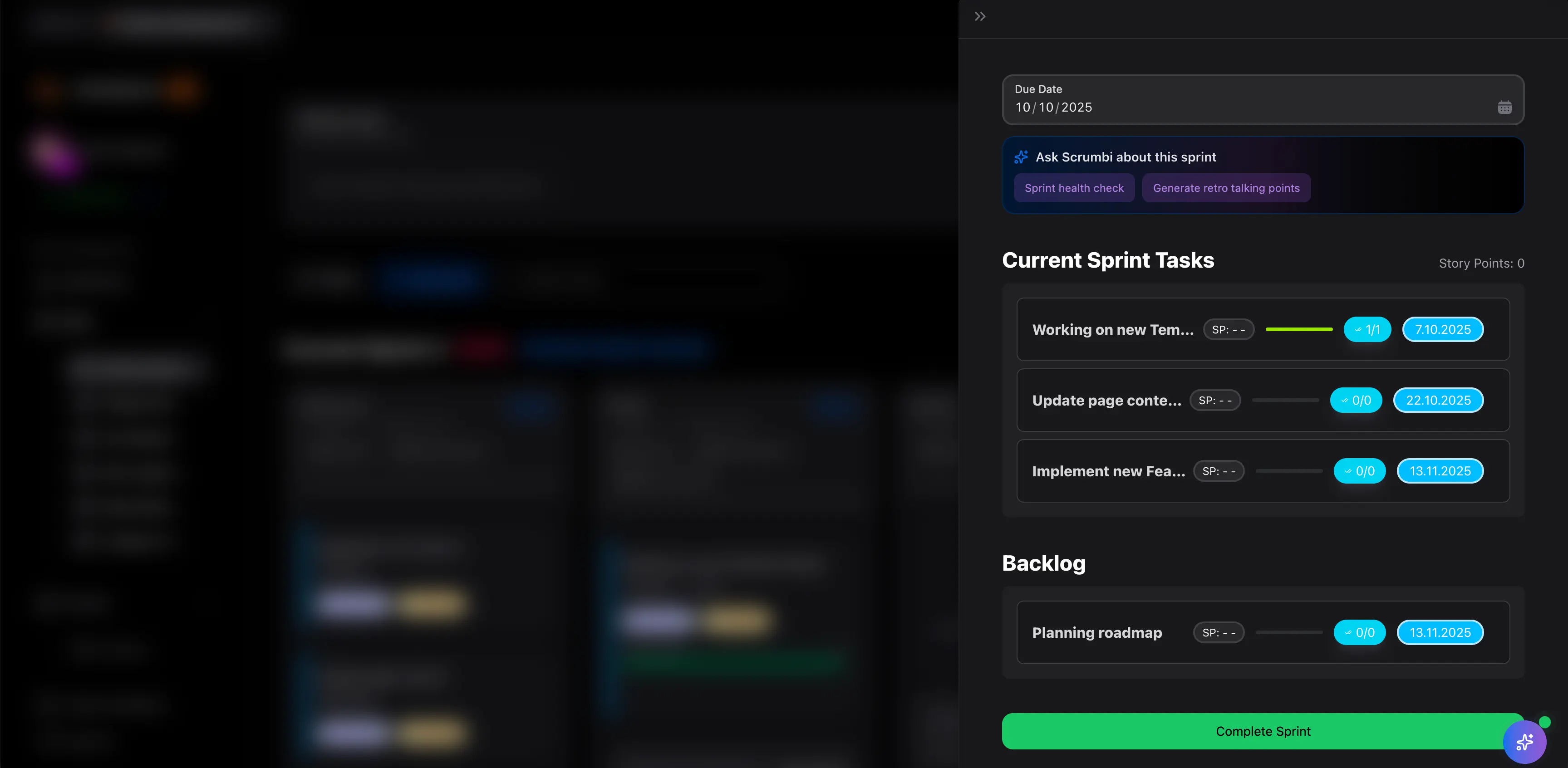
Set scope, estimate work, confirm dependencies, and commit the sprint in one place before execution starts.
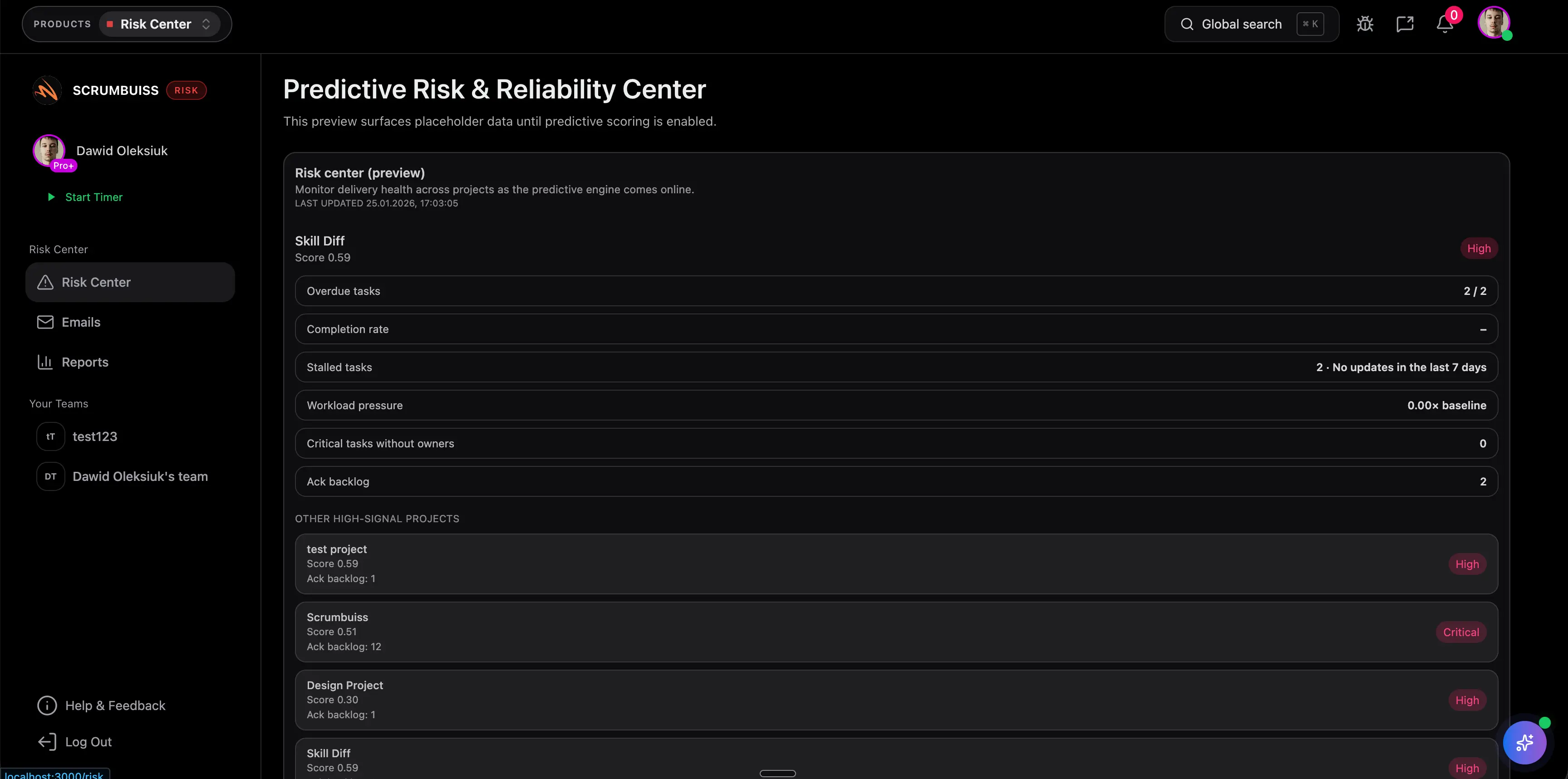
Explore related feature pages to go deeper.
Use this rollout as a practical starting point for your first workspace.
Set scope, estimate work, confirm dependencies, and commit the sprint in one place before execution starts.
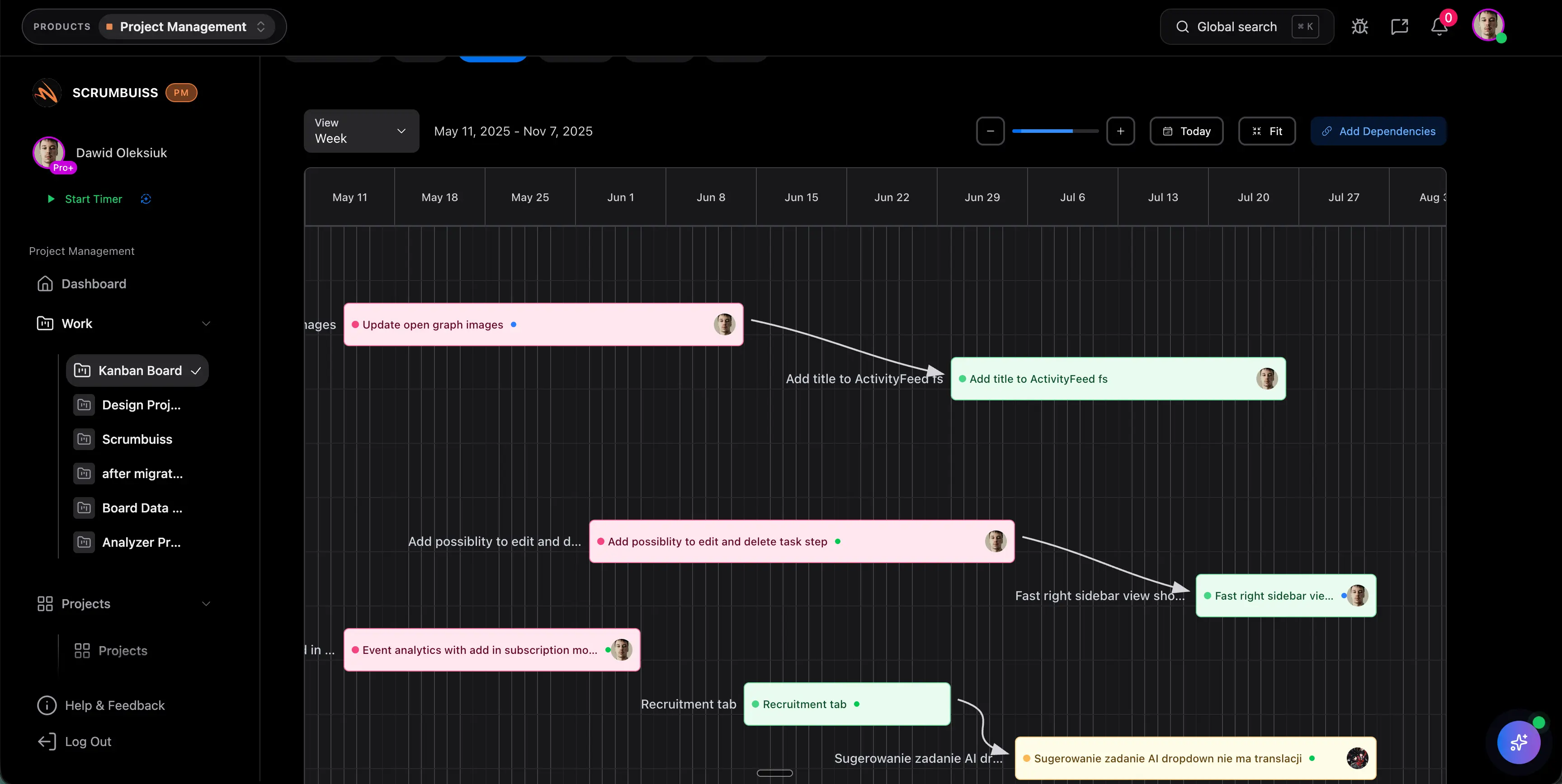
Track active work, surface blockers, and keep code-adjacent delivery signals close to the sprint workflow so handoffs stay readable.
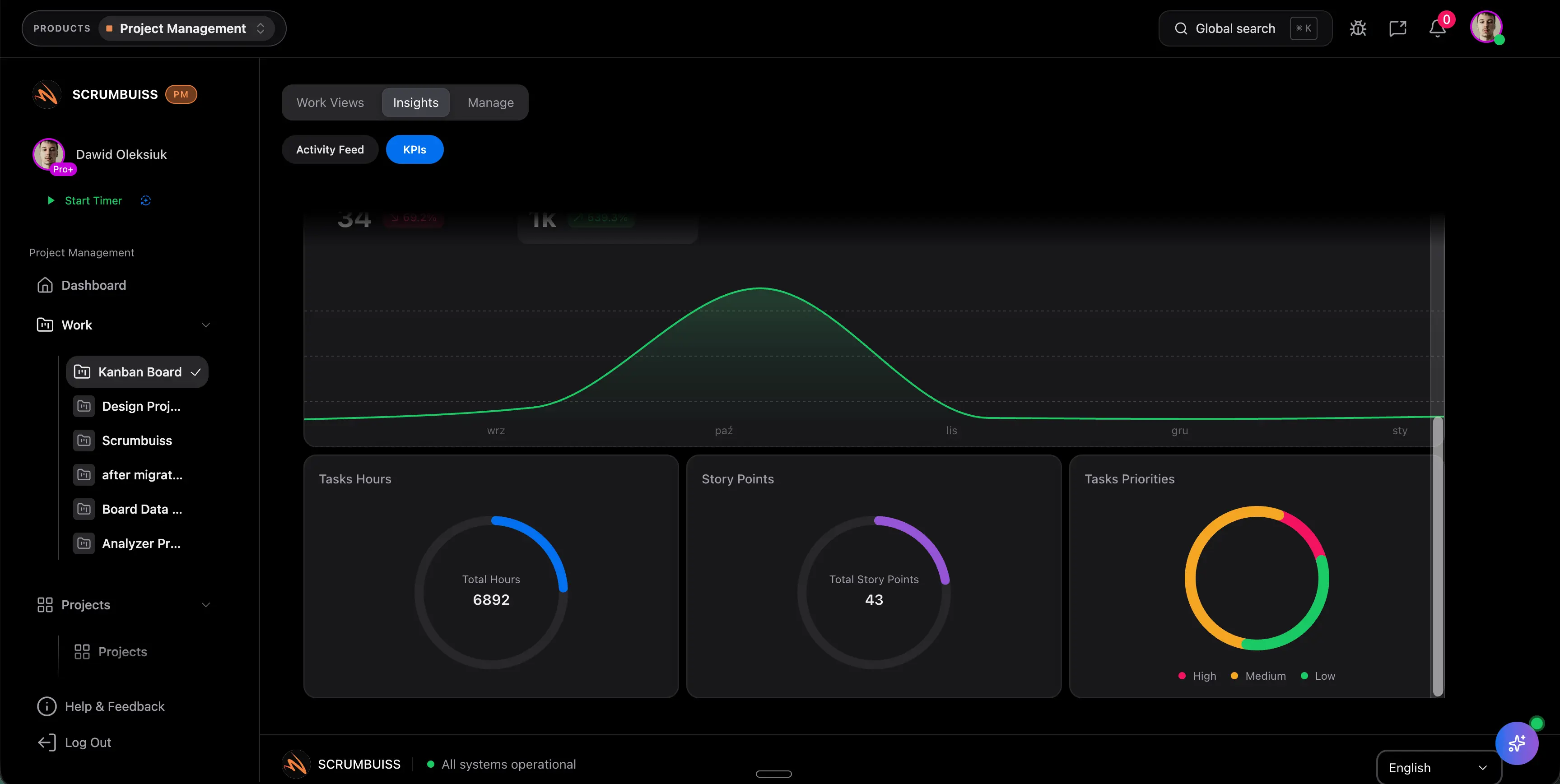
Use dashboards, activity history, and timeline views to explain progress, risk, and next steps to engineering, product, and leadership.
These are common operational gains teams usually target after rollout.
Keep delivery signals, sprint progress, and project context in one operating layer so leads spend less time rebuilding updates for people outside engineering.
Illustrative example: Save 1–2 hours per week for engineering or delivery leads by turning live project data into faster weekly status reviews.
Bring timelines, blockers, and execution signals into the same workflow so the team can react before one late dependency cascades across the sprint.
Illustrative example: Prevent late re-planning and save 1–2 hours per squad per sprint by surfacing blocked or overloaded work sooner.
Run sprint planning with shared scope, estimates, and dependency context so planning meetings produce cleaner commitments and less rollover.
Illustrative example: Cut 30–45 minutes from planning or review ceremonies by reusing structured workflows instead of stitching together multiple tools.
Start lean, then add more structure once the workflow is running.
See how teams apply this product in real scenarios.
Copy and adapt these templates to kickstart your workflow.
Download a free sprint planning template with sprint goal, scope, capacity, dependencies, and a checklist you can reuse in Excel or Google Sheets.
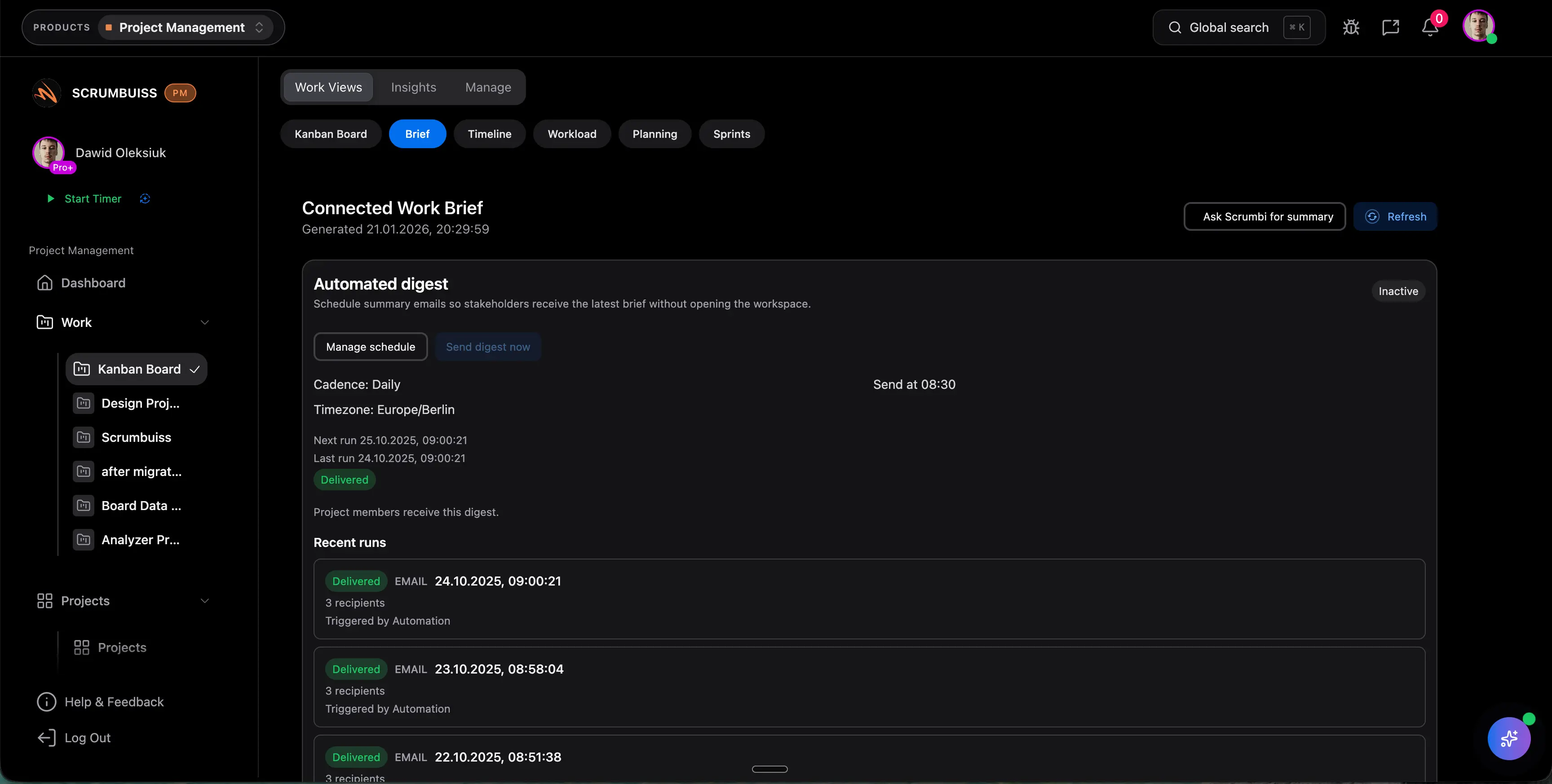
Download a free project brief template with a filled example, one-page outline, and practical checklist for aligning scope, stakeholders, milestones, and handoffs.
Download a free risk register template with likelihood × impact scoring, example rows, owners, and a weekly review cadence.
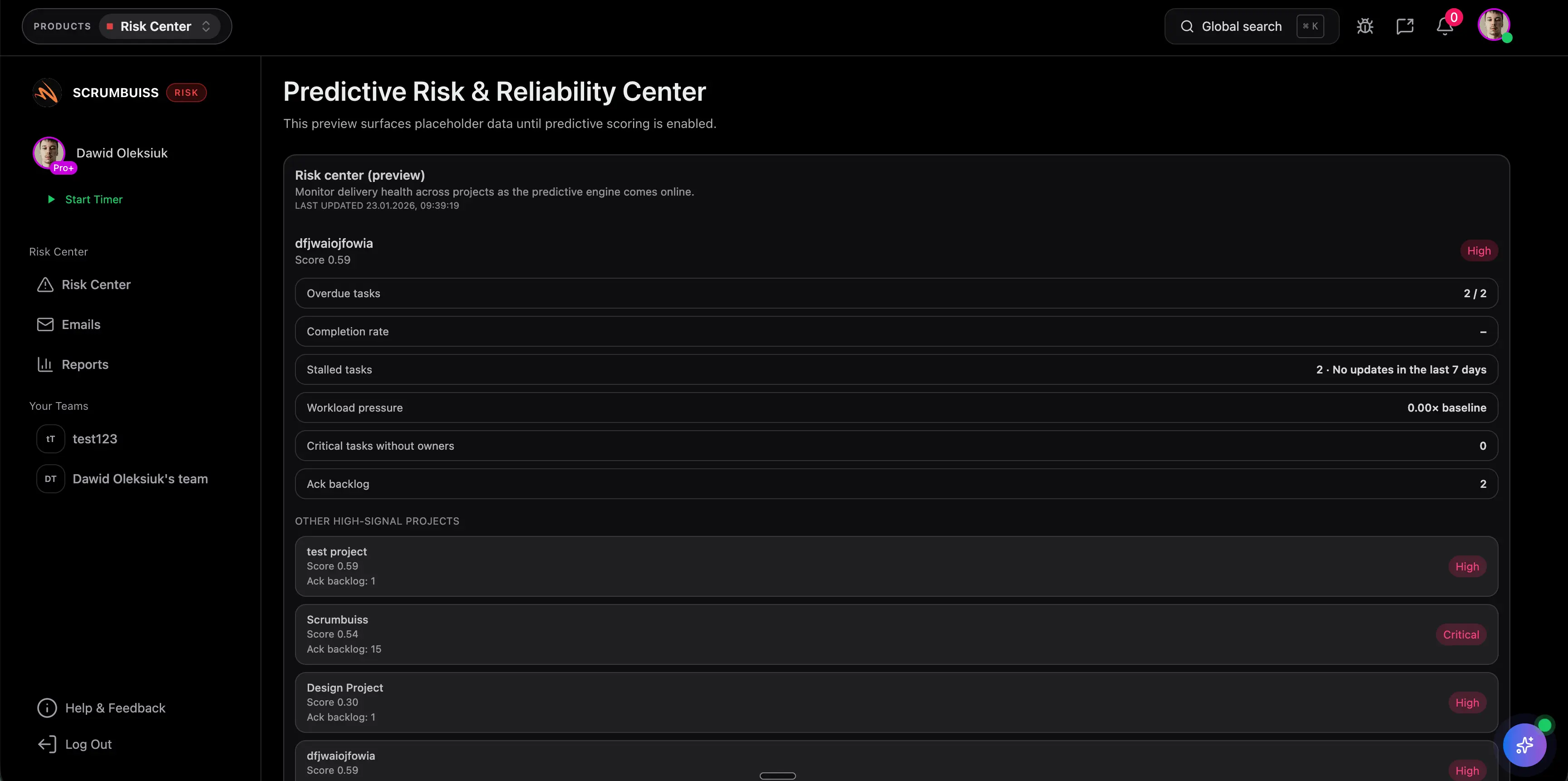
No—it complements it. You still need clear ownership and process, and Risk Center helps surface signals earlier.
Yes. Use automation triggers to notify stakeholders or create follow-up tasks when thresholds are crossed.