Time-tracking guide • reviewed March 14, 2026

Project Management Software With Time Tracking

Track time inside delivery workflows, report billable and non-billable effort by project or person, and use historical time data to improve estimates, workload planning, and client reporting.

Use this page to compare project-management workflows with built-in time tracking before your team standardizes on a separate timer, another timesheet process, or another reporting loop to maintain.

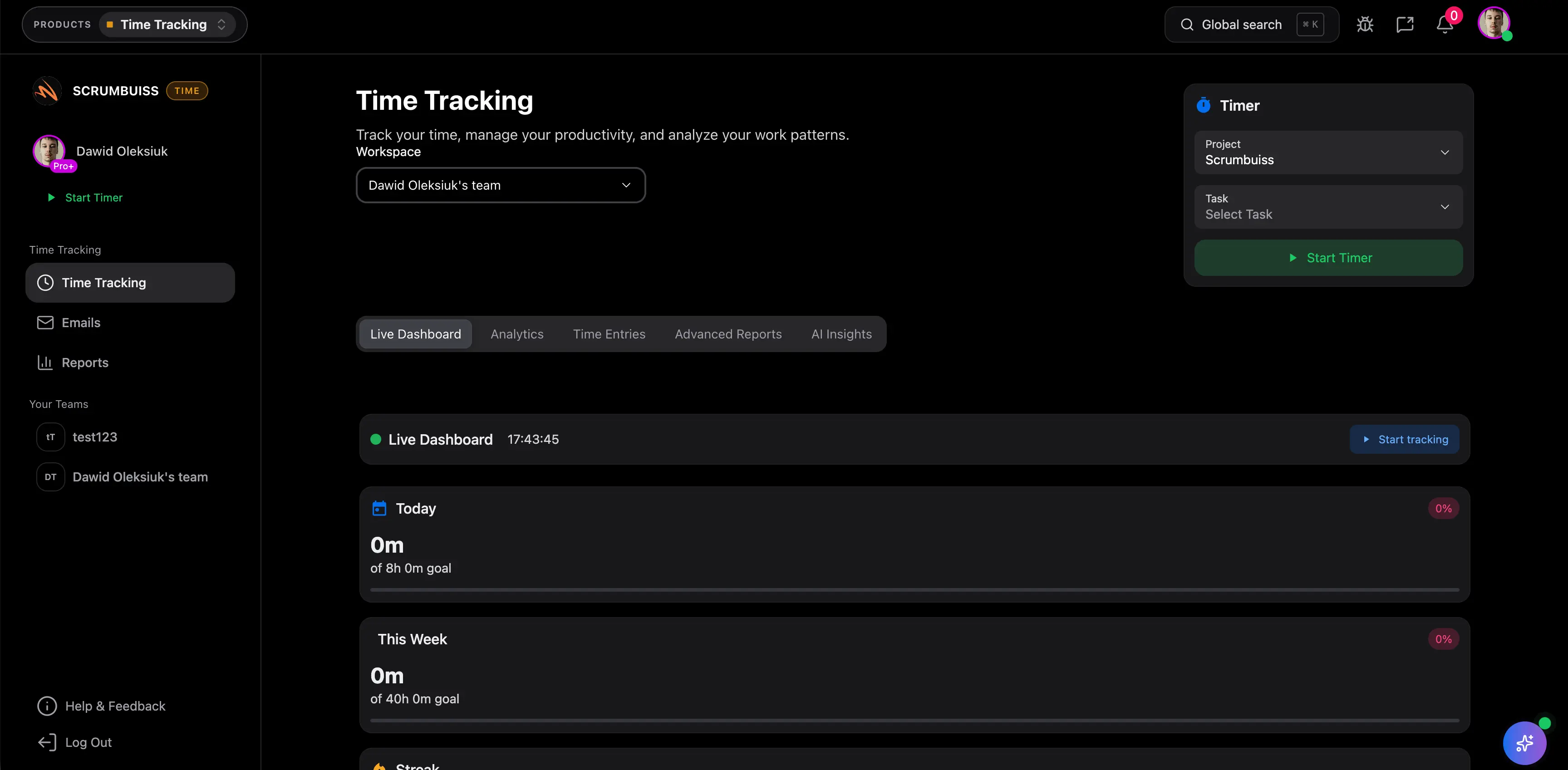
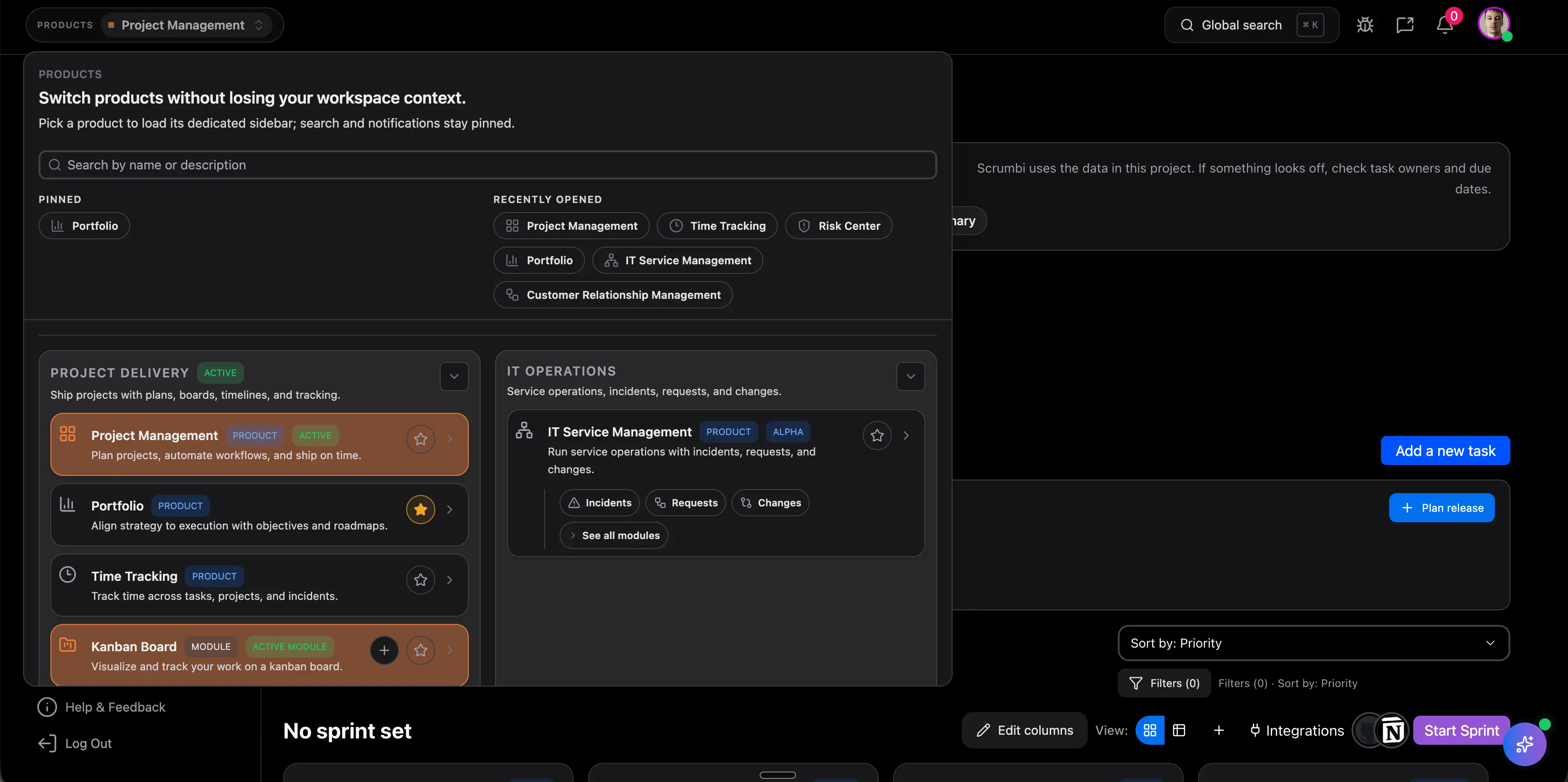
Scrumbuiss time tracking overview

How we reviewed project management software with time tracking

Reviewed on March 14, 2026. This page compares one buying question: which project management tools keep time tracking close enough to active delivery work that teams can log time, review reporting, and improve future planning without exporting everything into a separate system.

  • Scrumbuiss references come from the live pricing page, the Time Tracking product page, the Project Delivery product page, and the Agencies and Workload Capacity workflow pages in this site.
  • Competitor references come from the official time-tracking pages published by ClickUp, Wrike, and Teamwork.
  • The goal is not to score every timer checkbox. It is to help teams decide whether they need time tracking inside a broader delivery workflow or a more timekeeping-first layer with heavier timesheet controls.

When Scrumbuiss is a fit

The right decision depends less on one timer and more on where time data should live after the team starts using it for reporting, planning, and workload decisions.

Strong fit for Scrumbuiss

Best when time tracking should stay close to active delivery, workload review, and stakeholder-ready reporting rather than becoming a separate admin workflow.

  • The team wants timers and time entries attached to the work it is already delivering.
  • Billable versus non-billable visibility matters, but reporting still needs project, client, or person context.
  • Leads want historical effort data to improve estimates and staffing decisions instead of just closing out timesheets.

Worth piloting carefully

A live pilot is useful when the team already logs hours somewhere, but reporting, utilization, or estimate learning still depends on exporting data into side spreadsheets.

  • You can test the workflow with one client account, one internal delivery stream, or one sprint where time data already matters.
  • The key question is whether Scrumbuiss reduces manual reconciliation instead of simply moving time capture into a new interface.
  • Validate that the same time data helps with reporting, workload, and future planning before you standardize.

Probably not the best fit

A more timekeeping-first tool may fit better when approvals, payroll-like workflows, or advanced accounting controls matter more than keeping time attached to delivery work.

  • Your main requirement is formal timesheet administration rather than delivery visibility.
  • Time tracking already works well elsewhere and you mainly need a specialist layer for approvals or finance controls.
  • The team does not need time data to influence estimates, workload, or project reporting inside the main workspace.

Capture time in context

Track time where delivery work already lives

The practical value of project management software with time tracking is not just a timer. It is the ability to capture effort without losing project, task, and owner context, so teams do not have to rebuild the story later in another tool.

  • Start a timer or add time entries against the work the team is already delivering.
  • Keep person, project, and task context attached to the time data instead of reconstructing it in a separate tracker.
  • Make time capture part of the weekly operating rhythm so logs are usable for planning and reporting, not a Friday cleanup exercise.
Scrumbuiss timer and time entry view connected to delivery work

Report with context

Turn billable and non-billable time into readable reporting

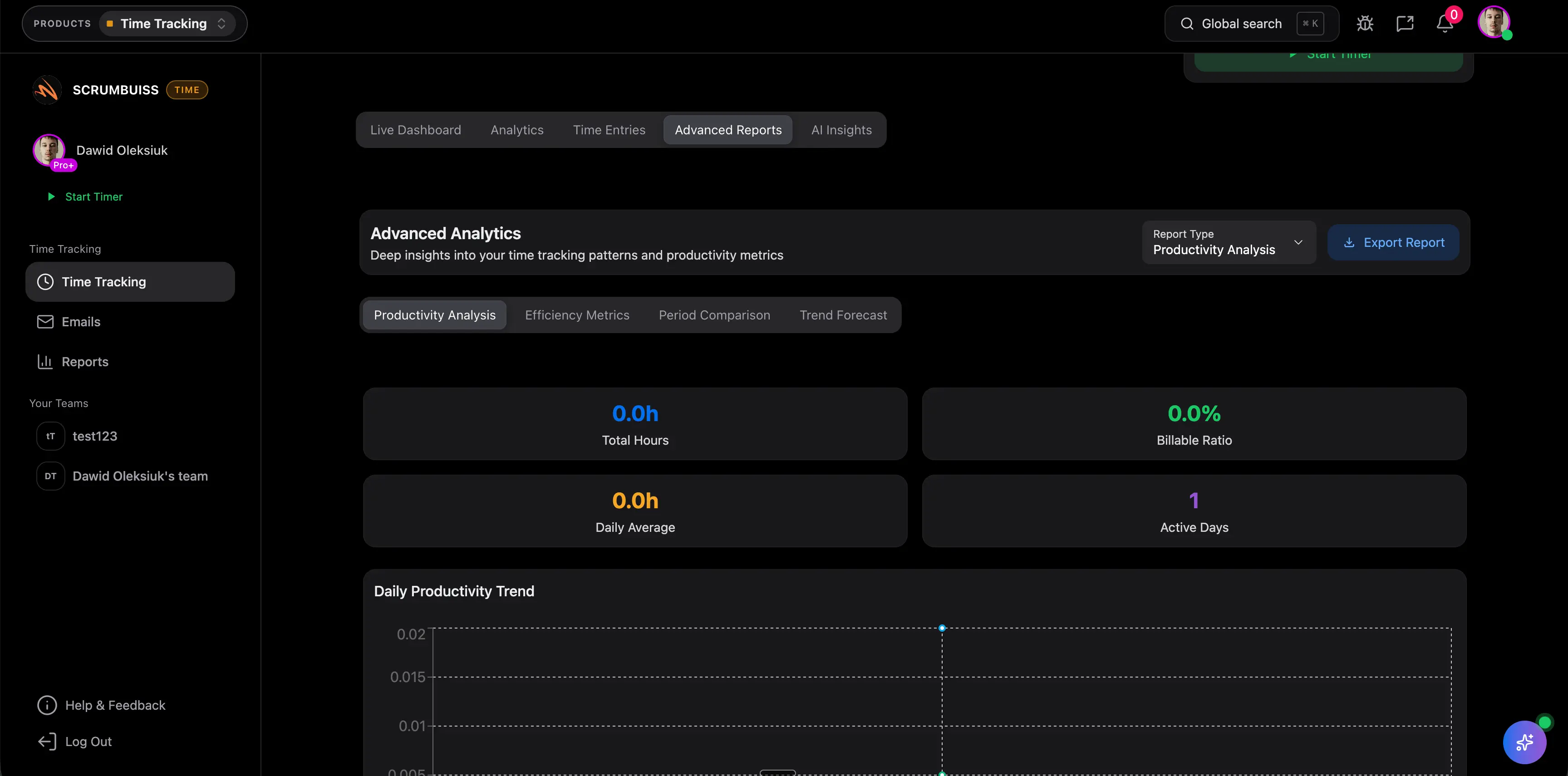
Time data becomes useful when teams can review it by person, project, or client without exporting raw hours just to explain where effort went. That is the difference between logging time and using it operationally.

  • Review time by person, project, or client so reporting answers a real delivery question.
  • Separate billable and non-billable work so utilization and profitability conversations stay grounded in live project activity.
  • Use dashboards and exports to support internal reviews, client updates, and budget conversations with less manual reconstruction.
Scrumbuiss time tracking reporting view with billable and non-billable context

Plan the next estimate

Use actual effort to improve estimates and workload decisions

The better time-tracking pages are not historical archives. They help teams carry learning forward. When actual effort stays close to delivery work, the next estimate, staffing discussion, or client plan becomes more grounded in real throughput.

  • Compare estimated and actual time to spot work that is routinely under-scoped or over-serviced.
  • Bring time history into workload and capacity conversations before the next sprint or client plan is committed.
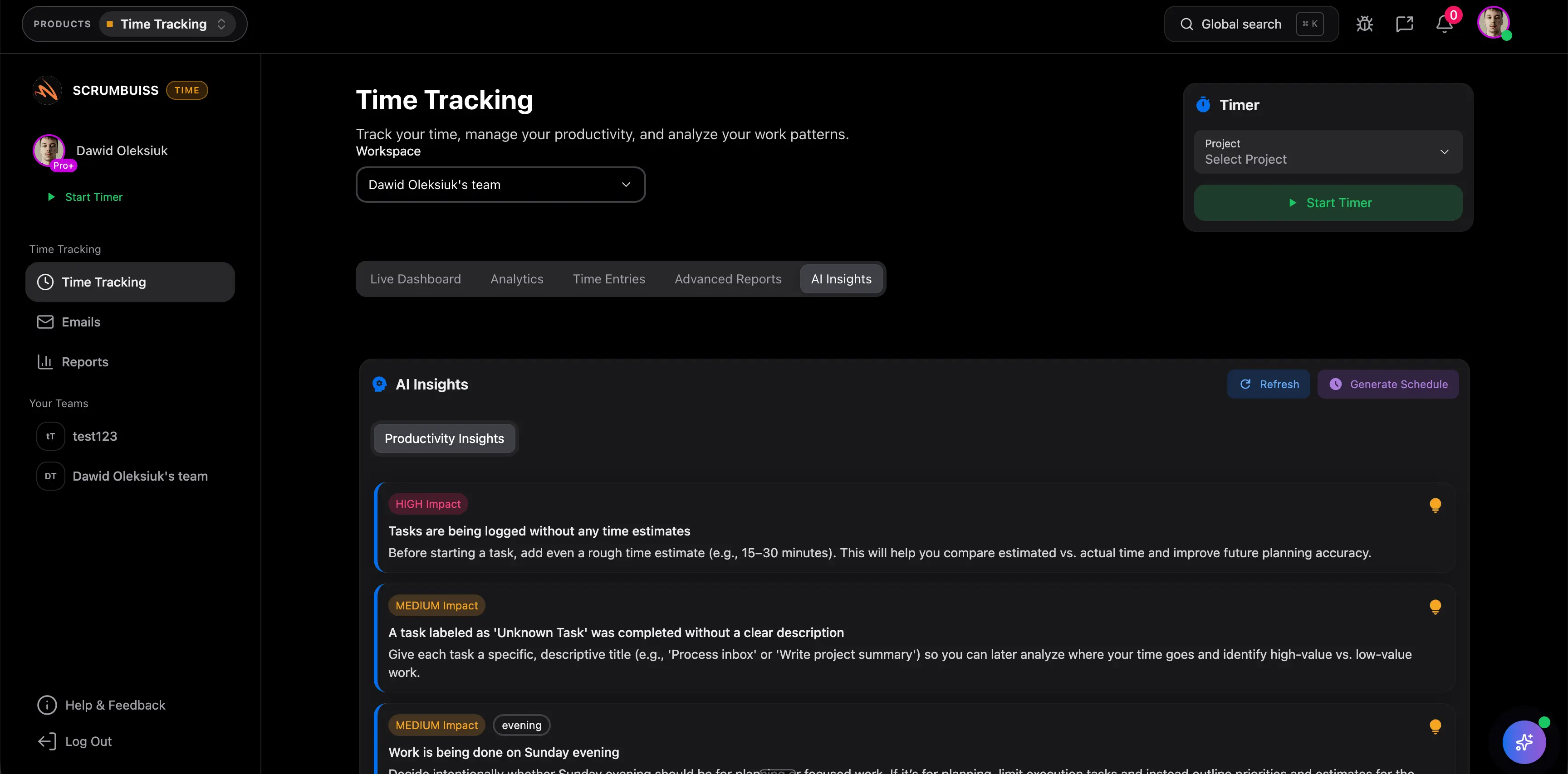
  • Use dashboards and AI-assisted insights as decision support, not just a record of past hours.
Scrumbuiss time tracking dashboard used to compare actual effort and future workload plans

Competitor snapshot

These tools all track time, but the practical question is where time data lives after it is logged: inside the delivery workflow itself or in a separate timesheet and reporting layer.

Tool Best for Time-tracking angle Main tradeoff Why teams choose Scrumbuiss instead
ClickUp Teams that want all-in-one work management with built-in timers, billable tracking, estimates, and customizable time reports. Publicly positions time tracking around all-in-one capture, billable time, timesheets, reporting, and estimate-versus-actual visibility inside ClickUp. Buyers should validate whether the broader workspace stays readable enough once time data needs to support client reporting, workload decisions, and a tighter delivery operating model. Scrumbuiss is stronger when time tracking should stay closer to project delivery, workload review, and stakeholder reporting instead of being one more feature inside a highly configurable workspace.
Wrike Organizations that need timesheets, billable and non-billable controls, approvals, and reporting around project work. Publicly emphasizes timers, manual timelogs, billable time, approvals, and reporting for teams that need tighter timekeeping controls. The timekeeping layer can be heavier than teams need when the main goal is to connect time data to day-to-day delivery decisions, estimates, and workload visibility. Scrumbuiss is stronger when teams want time capture, dashboards, estimate learning, and workload context in the same delivery workflow without a more operations-heavy rollout.
Teamwork Client-service and agency teams that prioritize billable time, task-level logging, timesheets, and project profitability. Publicly frames time tracking around timers, billable and non-billable logs, task and project time entry, and client-work visibility. Teams should verify how much of their briefing context, workload review, and delivery reporting still needs to be handled across separate layers or products. Scrumbuiss is stronger when agencies want time tracking to stay connected to briefs, delivery execution, workload visibility, and broader project reporting in one workspace.

Review current plan limits, timesheet controls, and feature availability on the vendor pages before you buy. Product names are trademarks of their respective owners.

What to validate in a live pilot

The best trial is one real reporting and planning cycle, not a timer demo. Use the checklist below to judge whether the workflow becomes operational inside your team.

  1. Step 1

    Pilot one active client project, internal delivery stream, or sprint where time data already matters.

  2. Step 2

    Define the minimum categories you need up front: billable versus non-billable, project or task context, and any recurring internal work buckets.

  3. Step 3

    Log time inside the live workflow for at least one full week so the data reflects actual delivery behavior, not a sample dataset.

  4. Step 4

    Run one reporting review by person, project, or client and confirm the output answers a real billing, budget, or staffing question.

  5. Step 5

    Compare actual time against the original estimate or plan and capture where the workflow exposed over-servicing or under-scoping.

  6. Step 6

    Bring the same time data into one workload, sprint, or delivery review to verify it improves the next planning decision.

  7. Step 7

    Set go or no-go criteria: less manual reconciliation, better billable visibility, faster reporting, and more realistic future estimates.

FAQ

These are the buying and rollout questions teams usually need answered before time tracking becomes part of the real delivery workflow.

What should teams look for in project management software with time tracking?

Look for software that keeps time capture close to the work itself, supports reporting by person or project, separates billable and non-billable effort when needed, and helps the team use historical time data to improve future planning. If the hours live in one system and the delivery decisions live in another, teams usually end up reconciling the story by hand.

When is built-in time tracking better than a separate time tracker?

Built-in time tracking is usually the better fit when teams want effort data to improve delivery reviews, workload planning, and project reporting inside the same workspace. A separate tracker can still work, but it often introduces extra reconciliation when leads need to explain progress, utilization, or estimate accuracy from multiple systems.

Does Scrumbuiss support billable and non-billable time visibility?

Yes. Scrumbuiss supports billable visibility alongside timers, time entries, dashboards, and exports so teams can review where effort went without losing the project context that produced those hours.

How should teams evaluate estimate versus actual time in a pilot?

Use one real delivery cycle and compare the team’s original estimate with the actual effort logged against that work. The useful question is not whether every task was estimated perfectly. It is whether the time data exposes recurring under-scoping, over-servicing, or staffing pressure early enough to change the next plan.

Is this mainly for agencies or can software teams use it too?

Both can use it, but they care about different outcomes. Agencies usually prioritize billable capture, utilization, and client reporting. Software teams usually care more about estimate learning, workload realism, and understanding where reactive work is consuming planned capacity. The right fit depends on which of those weekly decisions matters most.

When is a more specialized timekeeping tool a better fit than Scrumbuiss?

A specialist tool can make more sense when formal timesheet administration, approvals, payroll-like workflows, or accounting controls are the main requirement and delivery planning already works well elsewhere. Scrumbuiss is stronger when teams want time data to stay attached to delivery work, reporting, and future planning in one operating layer.