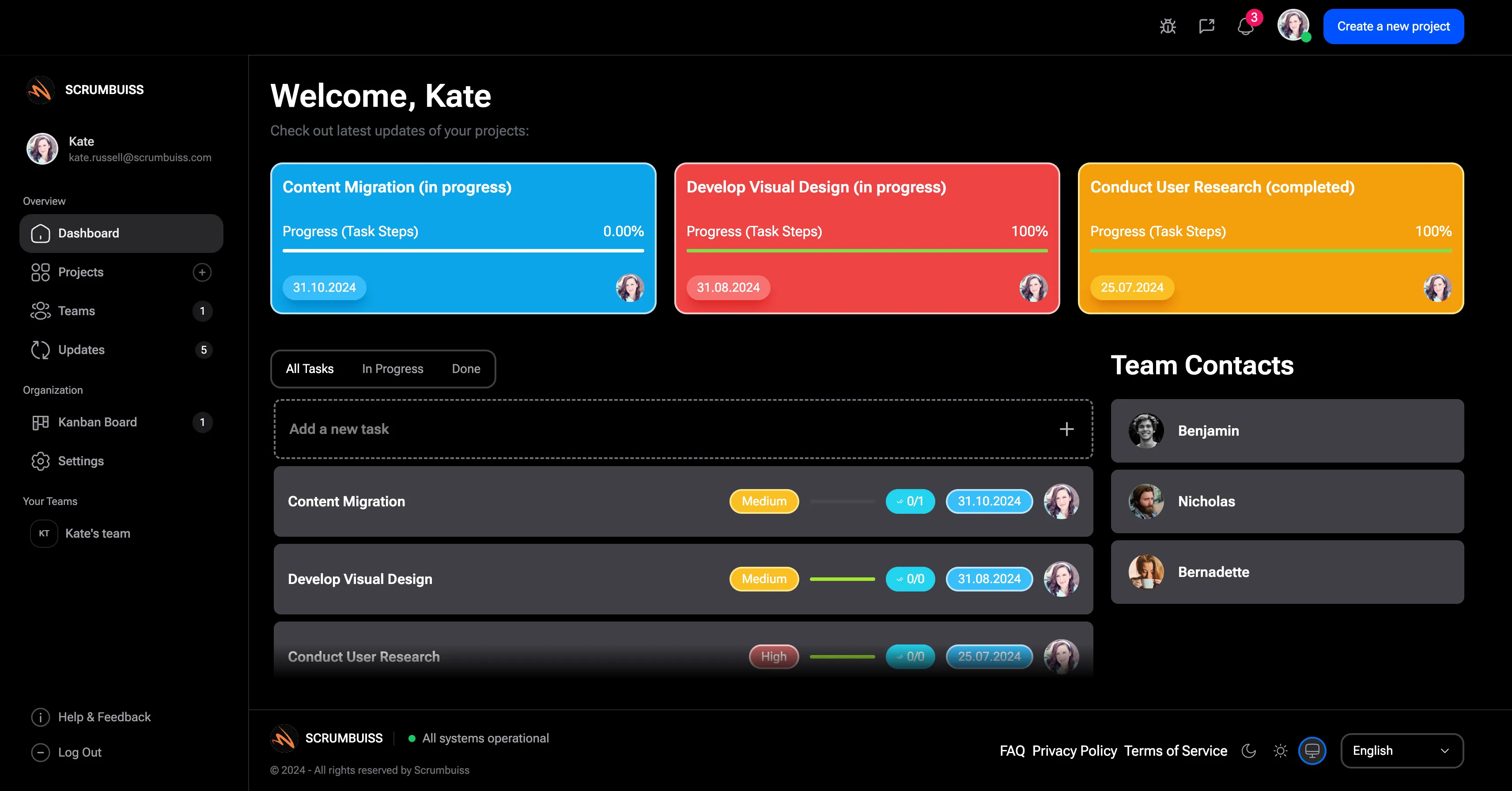
Project Management Reports Guide
Project management reports turn delivery data into a clear explanation of status, risk, progress, cost, schedule, and decisions. A good report helps readers act. A weak report repeats activity without saying what changed or what needs attention.
This guide targets the broader project report and project management report keyword cluster found in SEMrush. It supports the more specific weekly project status report guide without replacing it.
Key Takeaways
- Project reports should be written around decisions, risks, and progress, not raw activity.
- Different audiences need different report formats.
- Reports are more trustworthy when they connect to dashboards, tasks, risks, and timelines.
- Every report should clarify owner, status, next action, and whether the plan changed.
What Is a Project Management Report?
A project management report is a structured update that explains the current state of a project. It may cover schedule, budget, scope, risks, blockers, quality, workload, milestones, and decisions.
The best reports answer:
- Is the project on track?
- What changed since the last report?
- What work was completed?
- What is coming next?
- What risks or blockers need attention?
- What decision is required?
- What changed in scope, date, budget, or confidence?
Common Project Management Report Types
| Report type | Best use |
|---|---|
| Project status report | Recurring stakeholder update on health, progress, risks, and next steps |
| Project progress report | Explanation of completed work, remaining work, and movement against plan |
| Risk report | Review of open risks, owners, mitigation actions, and escalation needs |
| Budget report | Spend, forecast, variance, and cost decisions |
| Resource report | Capacity, allocation, overload, and staffing gaps |
| Executive report | Portfolio-level project health, major risks, and decisions needed |
| Client report | Plain-language update on deliverables, approvals, blockers, and next meeting focus |
| Closure report | Final outcomes, acceptance, lessons learned, and follow-up actions |
Do not use one report format for every audience. Executives need a different level of detail than the delivery team.
Project Report Format
Use this structure for most project reports:
| Section | What to include |
|---|---|
| Summary | Current status, main change, and decision needed |
| Health | On track, at risk, off track, or paused |
| Progress | Meaningful outcomes completed |
| Schedule | Milestone status and date changes |
| Budget or effort | Spend, forecast, capacity, or effort signal |
| Risks and blockers | Active risks, owner, severity, next action |
| Decisions | What needs approval and by when |
| Next steps | The work that matters most before the next report |
| Links | Dashboard, plan, timeline, files, risk register |
Project Report Example
| Field | Example |
|---|---|
| Overall status | At risk |
| Summary | The client onboarding project is progressing, but the launch date is at risk because the integration review is blocked. Design and training content are on track. A decision is needed by Friday on whether to launch with manual import support. |
| Completed | Finalized workflow map, completed training draft, reviewed dashboard fields |
| Next steps | Resolve integration decision, finish QA, prepare client preview |
| Risks | API access approval is delayed. Owner: platform lead. Next action: confirm access path or approve manual fallback |
| Decision needed | Launch with manual import fallback or move launch by one week |
The example works because it gives readers a decision. It does not hide behind a list of meetings.
Project Report vs. Dashboard
| Format | Strength | Limit |
|---|---|---|
| Report | Explains the project story, context, decisions, and next actions | Can become stale if manually rebuilt |
| Dashboard | Shows live or frequently updated project data | Can lack narrative and decision context |
| Status meeting | Lets stakeholders discuss tradeoffs | Can waste time if the report and dashboard are unclear |
Use the project dashboard examples guide when you need reporting views. Use this guide when the problem is the written report itself.
Common Reporting Mistakes
Reporting activity instead of outcomes
"Held three meetings" is not progress. Explain the decision, approval, deliverable, or risk reduction that came from the work.
Omitting owners
Every risk, blocker, and decision should have an accountable owner.
Using unclear health labels
Define labels such as on track, at risk, off track, and paused. Readers should know exactly what each one means.
Disconnecting reports from live work
If reports are rebuilt from chat, spreadsheets, and memory every week, they will drift. Use one trusted project workspace wherever possible.
FAQ
Frequently
asked
questions
Unlock Success &
Power Up Your Projects
Next to explore
Explore more pages to understand the product suite, common workflows, and evaluation guides.