Go-Live Readiness Checklist Guide
A go-live readiness checklist helps the team decide whether launch conditions have been met. It is narrower than a full go-live checklist because it focuses on decision criteria, evidence, risks, approvals, and exceptions rather than every task in the launch plan.
This guide targets the go-live readiness checklist cluster found in SEMrush Keyword Magic research. It is designed to reduce cannibalization by positioning readiness as the go/no-go evidence layer, while the broader go-live guide covers the complete launch checklist.
Key Takeaways
- Go-live readiness should be proven with evidence, not confidence alone.
- Readiness criteria should be agreed before the final launch meeting.
- Exceptions need explicit approval, owner, risk, and follow-up action.
- A failed readiness check should trigger remediation, escalation, scope reduction, or launch deferral.
Go-Live Readiness Checklist
| Readiness criterion | Evidence to review |
|---|---|
| Scope complete | Accepted deliverables or approved launch scope |
| Testing passed | Test summary, defect status, and accepted exceptions |
| Support ready | Runbook, escalation path, support owner, and known issues |
| Communication ready | Launch messages, user notices, stakeholder updates |
| Risk reviewed | Open risks, mitigations, decision owner, and severity |
| Rollback ready | Rollback plan, trigger criteria, and execution owner |
| Operations ready | Monitoring, ownership, access, and handoff evidence |
| Approvals complete | Sponsor, client, product, technical, or business sign-off |
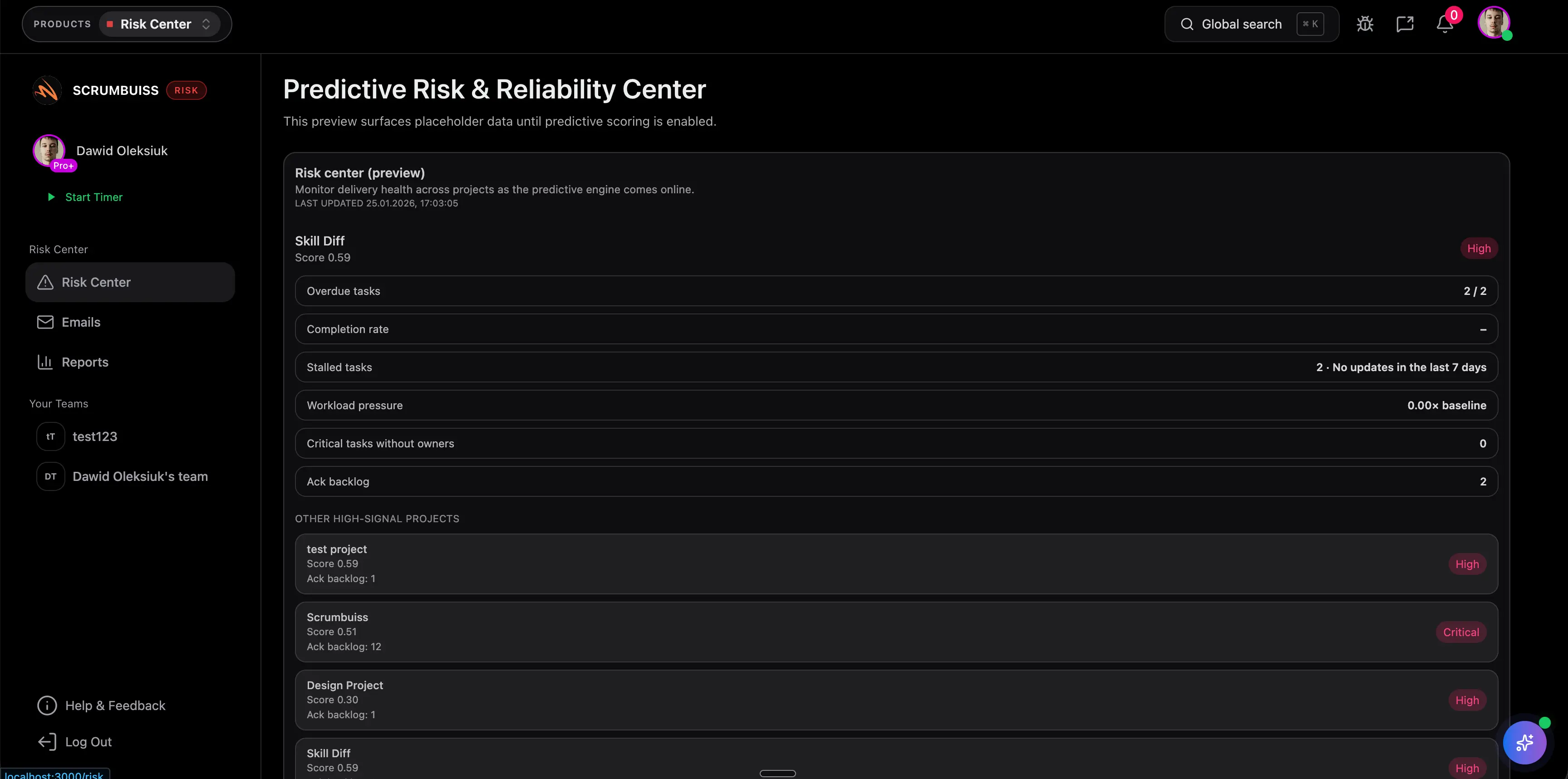
Scrumbuiss supports readiness decisions with Risk Center, Dashboard, Files, Project Delivery, and Activity Feed.
Go/No-Go Decision Template
| Field | Example |
|---|---|
| Launch decision | Go, no-go, conditional go, or defer |
| Decision owner | Sponsor or accountable launch owner |
| Evidence reviewed | Testing, support, communication, risk, rollback |
| Exceptions approved | Known defects, incomplete items, workarounds |
| Follow-up actions | Owners and dates for unresolved items |
Use "conditional go" carefully. It should mean the team accepts named exceptions, not that readiness is vague.
Readiness vs. Operational Readiness
| Term | Main question |
|---|---|
| Go-live readiness | Should we launch now? |
| Operational readiness | Can the organization operate and support the result after launch? |
| Post-go-live support | How will we handle early issues after launch? |
The three checks overlap, but they are not the same. Readiness is the decision point.
FAQ
Frequently
asked
questions
Related features
Explore the Scrumbuiss features mentioned in this article.
- Dashboard
Track project progress, blockers, workload, KPIs, status reporting, and analytics context in one live dashboard.
- Activity Feed
Stay up to date with real-time updates on tasks, progress, and team activities.
Unlock Success &
Power Up Your Projects
Next to explore
Explore more pages to understand the product suite, common workflows, and evaluation guides.