Files product guide • reviewed March 17, 2026

Scrumbuiss Files for Project Document Management

Evaluate the Scrumbuiss Files product for project briefs, specs, assets, approvals, and deliverables that need to stay attached to live delivery work instead of drifting into scattered drives, chat links, and handoff notes.

Use this page when the category decision is already close to made and you want to judge the exact Scrumbuiss Files workflow. If you are still comparing the broader market first, start with the project document management software guide.

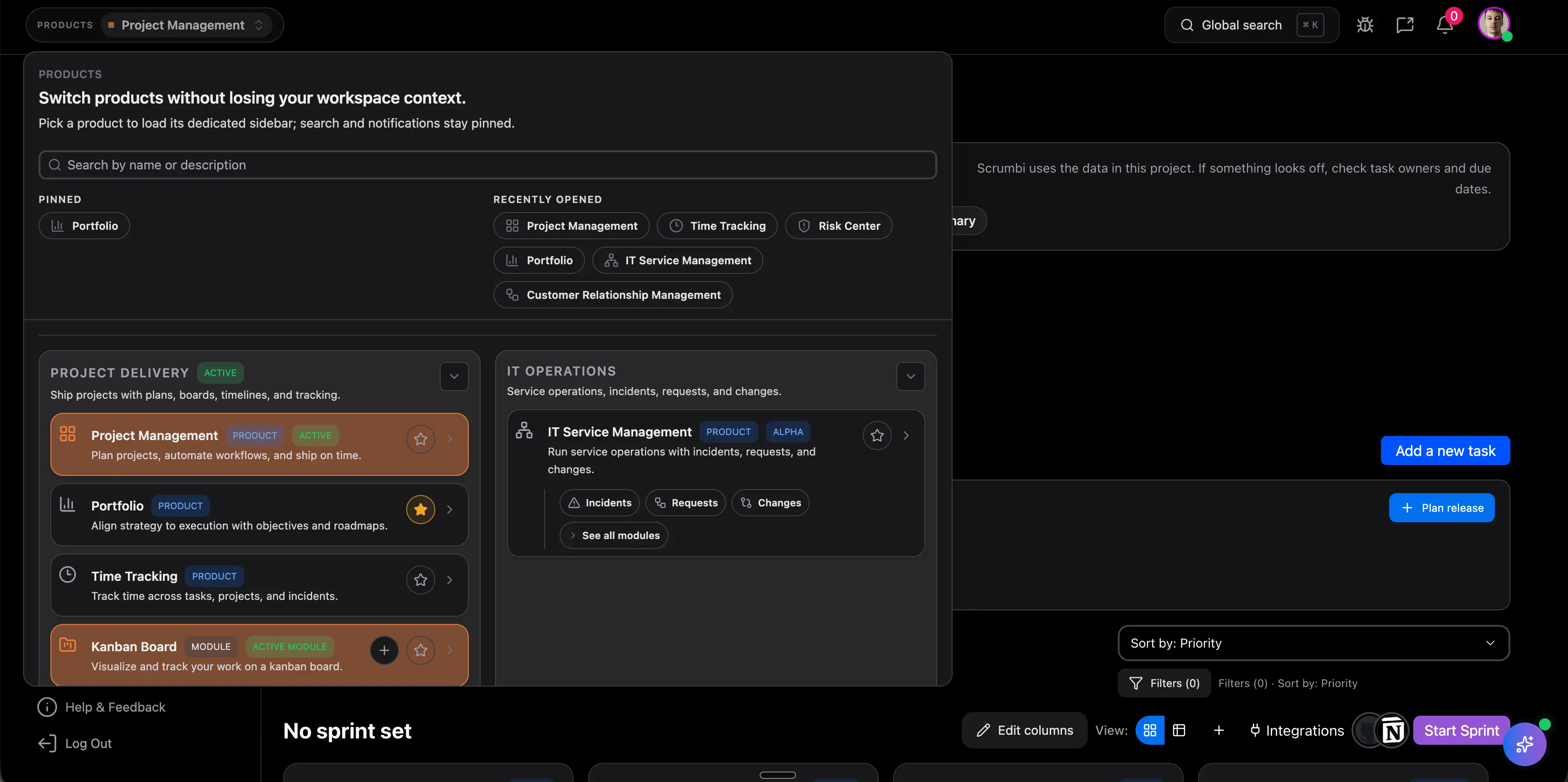
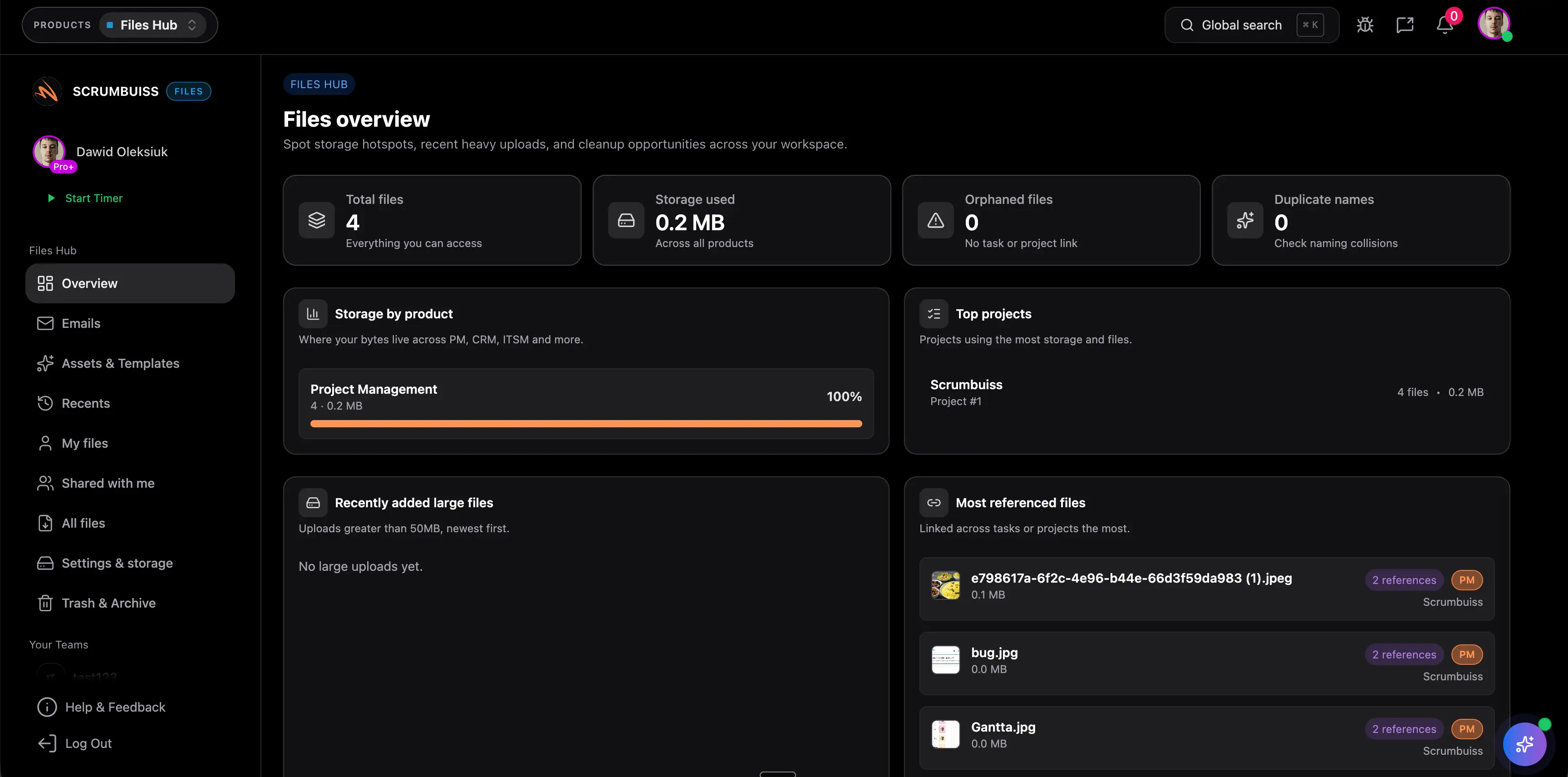
Scrumbuiss Files overview for project briefs, approvals, and deliverables

How we reviewed Scrumbuiss Files

Reviewed on March 17, 2026. This page evaluates one buyer question: when should a team choose the exact Scrumbuiss Files product instead of only reading a category guide or defaulting to a separate storage layer that still forces project managers to rebuild context by hand.

  • Scrumbuiss references come from the Files solution page, the Google Drive integration page, the Project Brief solution page, the Project Delivery product page, the Agencies workflow page, and the current pricing page in this site.
  • Competitor references come from the official monday.com files page and the official Zoho Projects document management page reviewed on March 17, 2026.
  • The goal is not to score every storage checkbox. It is to help teams decide whether the Scrumbuiss Files workflow keeps delivery context readable enough that briefs, approvals, and handoffs stop living in separate places.

When Scrumbuiss Files is a fit

The useful decision is not whether a team can store files somewhere. It is whether the file workflow stays readable enough during planning, review, and handoff that project context stops leaking into side folders and chat threads.

Strong fit for Scrumbuiss Files

Best when the real problem is not raw storage space, but keeping the latest project context readable while the work is active.

  • Teams want briefs, specs, assets, and deliverables visible beside tasks, owners, and milestones.
  • The recurring pain is latest-version confusion, unclear approvals, and file handoffs that depend on chat history or folder memory.
  • Stakeholders need one operating record where project files and delivery status can be reviewed together.
Worth piloting carefully

A live pilot is useful when shared-drive habits already exist, but project managers still spend time asking which file matters, who approved it, or where the latest deliverable now lives.

  • Test one workflow with a kickoff brief, active working files, at least one approval cycle, and one client or stakeholder review.
  • Measure whether the team can find the current project context faster without creating another place to upload files just for the sake of it.
  • Validate that file visibility improves during status review and handoff, not only during the upload step.

Probably not the best fit

A more storage-centric system may fit better when enterprise document governance matters more than keeping files tied to day-to-day delivery work.

  • Your evaluation is mainly about archival policy, enterprise records controls, or a company-wide asset library.
  • Project execution already runs well elsewhere and the requirement is only a broad repository for documents.
  • The team does not need approvals, briefs, or delivery status to stay attached to files after they are uploaded.

Category guide vs exact product page vs Drive-linked workflow

These pages answer different buying questions. Keeping them separate helps the Files product rank for its own intent instead of duplicating the category guide or the integration page.

Use the category guide first

Start with the buyer guide when the team is still comparing project document management software as a category and has not yet narrowed the decision to Scrumbuiss.

  • You are still judging whether files should live inside project management software at all.
  • You want category-level tradeoffs and competitor framing before product specifics.
  • The shortlist still includes several vendors, not only Scrumbuiss.

Use this page for exact product fit

Use this page when the buyer question is whether the exact Scrumbuiss Files workflow is strong enough for briefs, approvals, deliverables, and handoffs inside your own operating model.

  • You want the product-level workflow, rollout checks, and reasons to pilot or reject the exact feature.
  • The team needs product-specific guidance instead of another generic overview.
  • You are validating how Files behaves inside the broader Scrumbuiss delivery workflow.

Use the integration page for linked-drive needs

Go to the Google Drive page when the decision depends on whether teams can keep source folders shareable in Drive while still keeping delivery context readable in Scrumbuiss.

  • The source-of-truth folder should remain in Google Drive.
  • The team is comparing linked-document workflows, not only native file handling.
  • You need to understand where shareability, delivery status, and file context meet.

Start with the work, not the folder

Keep project briefs, specs, and active files attached to the delivery workflow

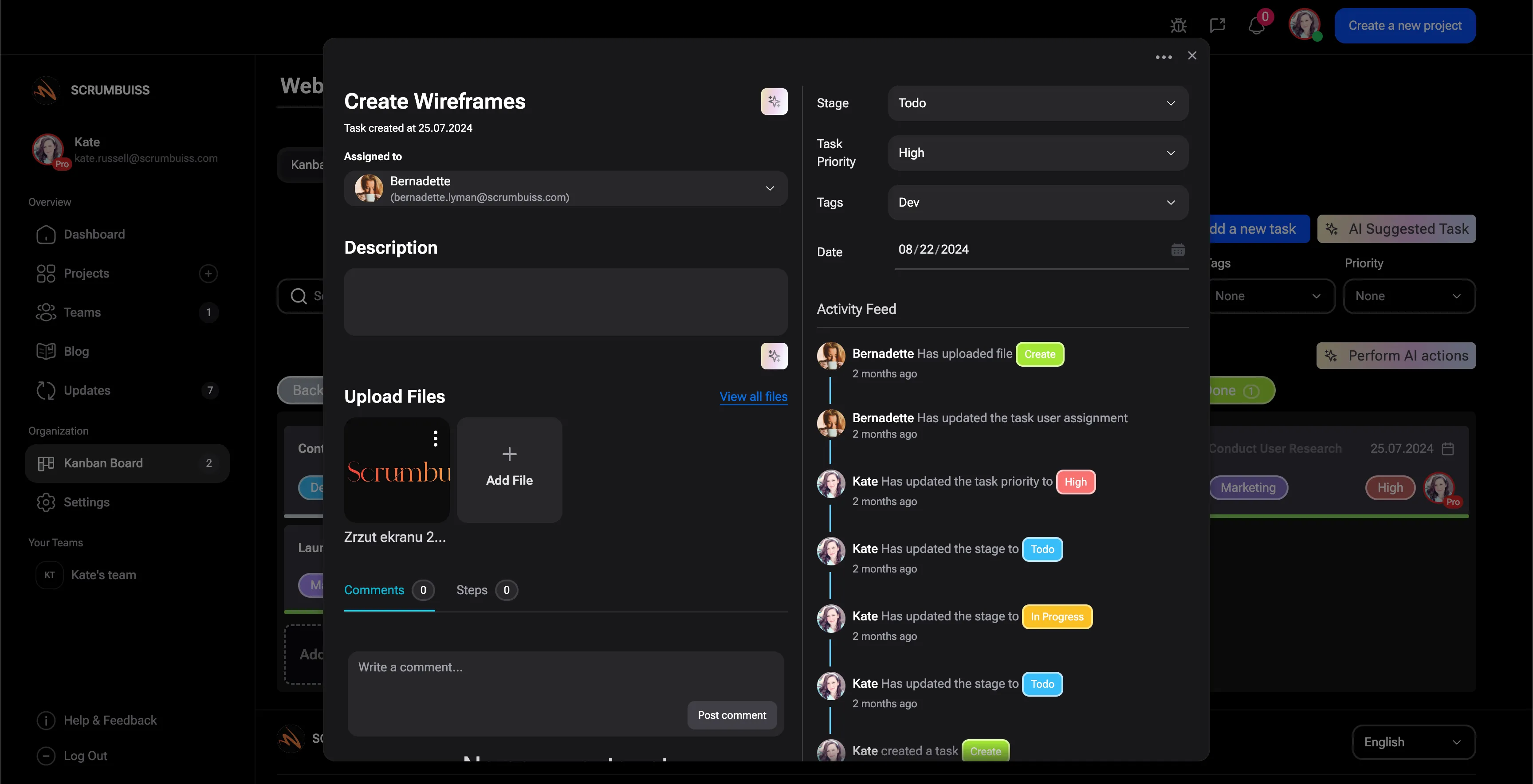
The product is most useful when the files that explain the work stay attached to the work itself. That means kickoff briefs, requirements, assets, and delivery artifacts remain visible while the project is moving rather than only after someone goes searching for them.

  • Attach core project files to the same operating layer as tasks, owners, and milestones.
  • Reduce the repeated project-manager question of which folder or link now tells the current story.
  • Make the project brief and the supporting files readable for new contributors without a separate handoff ritual.
Scrumbuiss Files overview with project briefs and deliverables attached to live delivery work

Make the latest version easier to spot

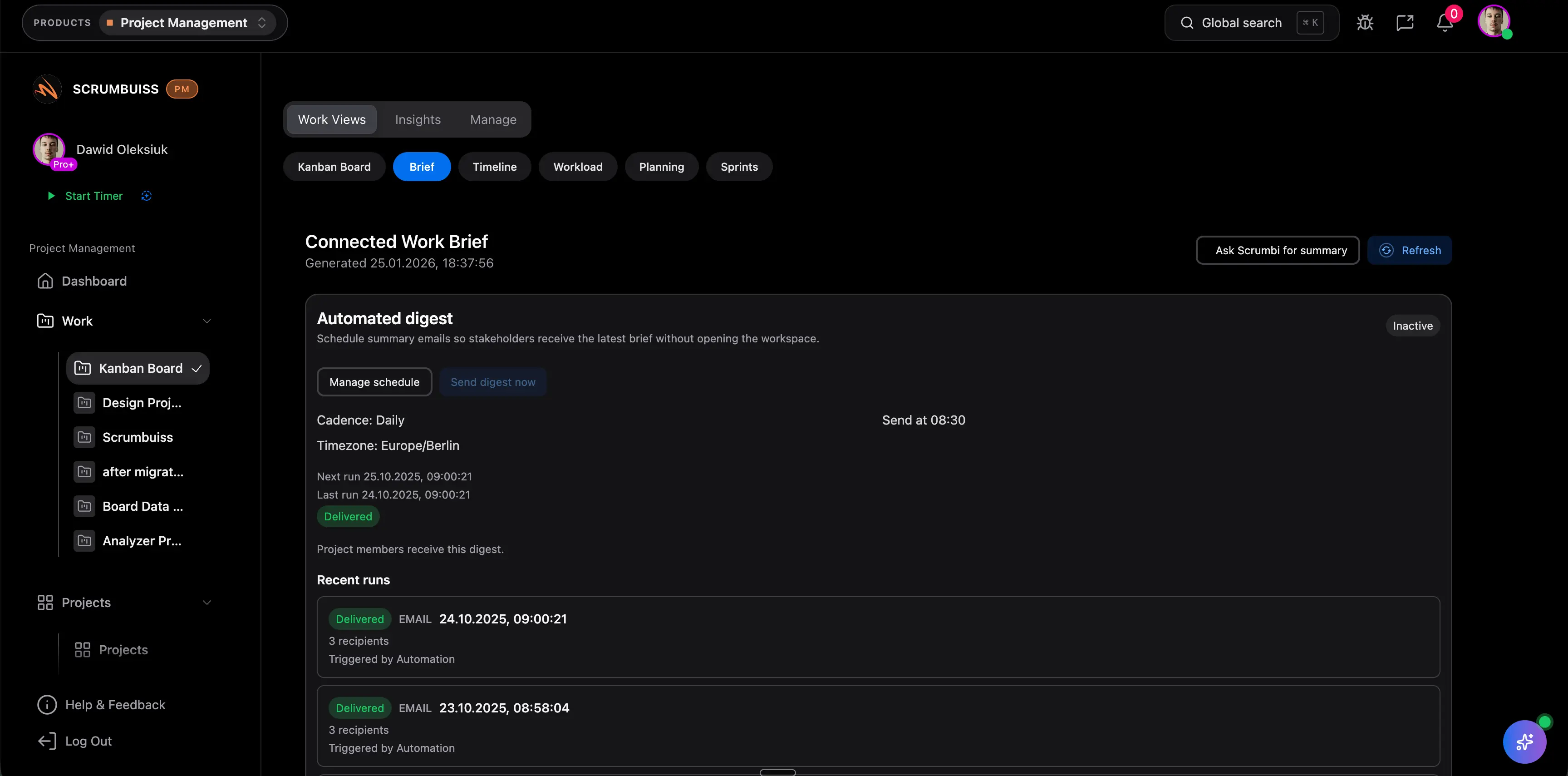
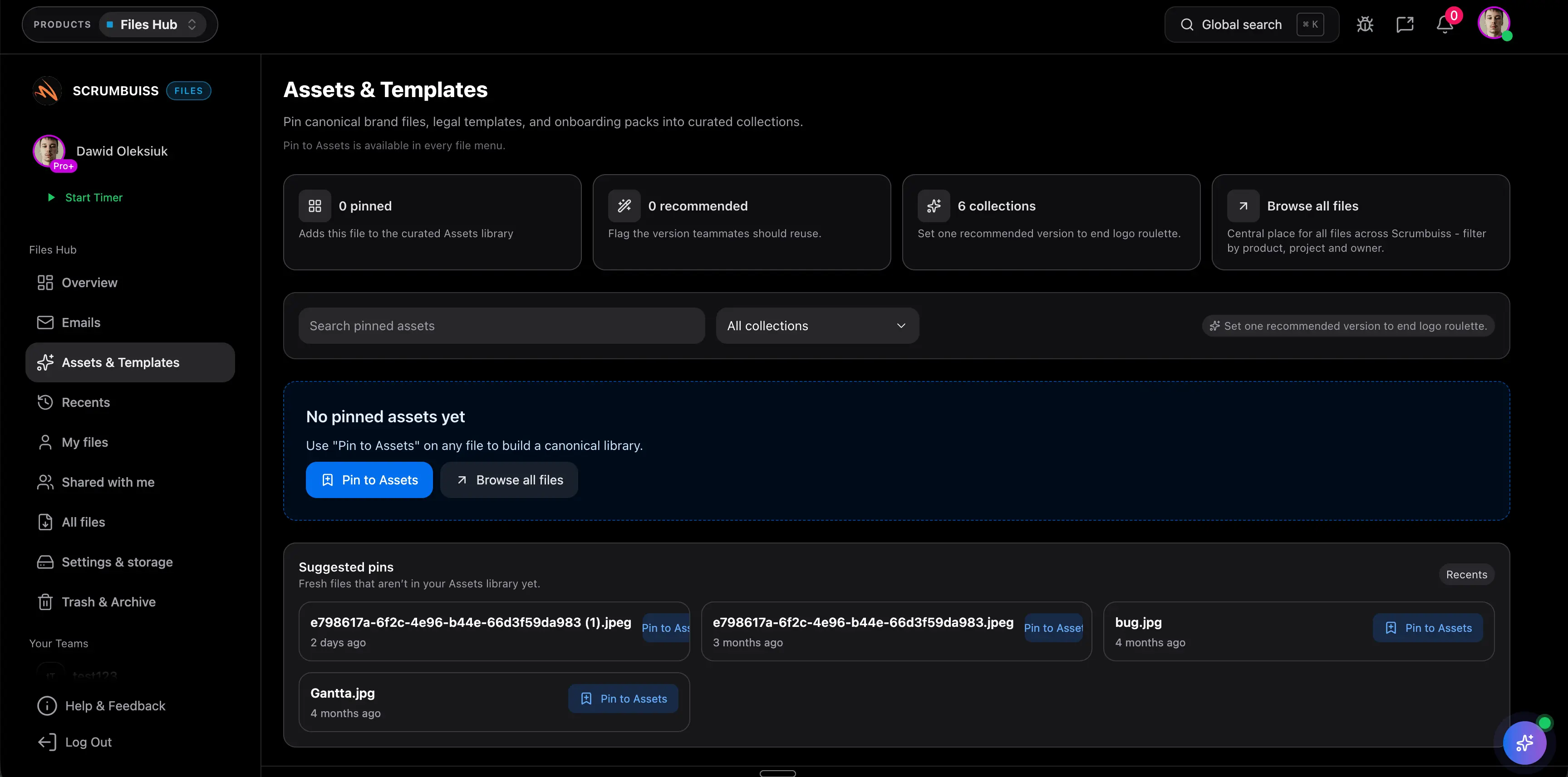
Use recent activity, shared views, and collections to cut version drift

Most teams do not struggle because they lack places to store files. They struggle because no one is fully sure which draft, approval, or deliverable is now current once the work spans folders, comments, and several stakeholders. The better workflow makes that status easier to read before confusion turns into delay.

  • Use recent activity and shared views so the next person can see what changed and where to look first.
  • Organize files in collections that match how the team actually reviews, hands off, and reports on work.
  • Keep the latest approved artifact easier to identify during weekly delivery checks and client reviews.
Scrumbuiss Files shared views used to reduce latest-version confusion

Keep approvals and handoffs readable

Support stakeholder reviews and Google Drive-linked workflows without losing the operating record

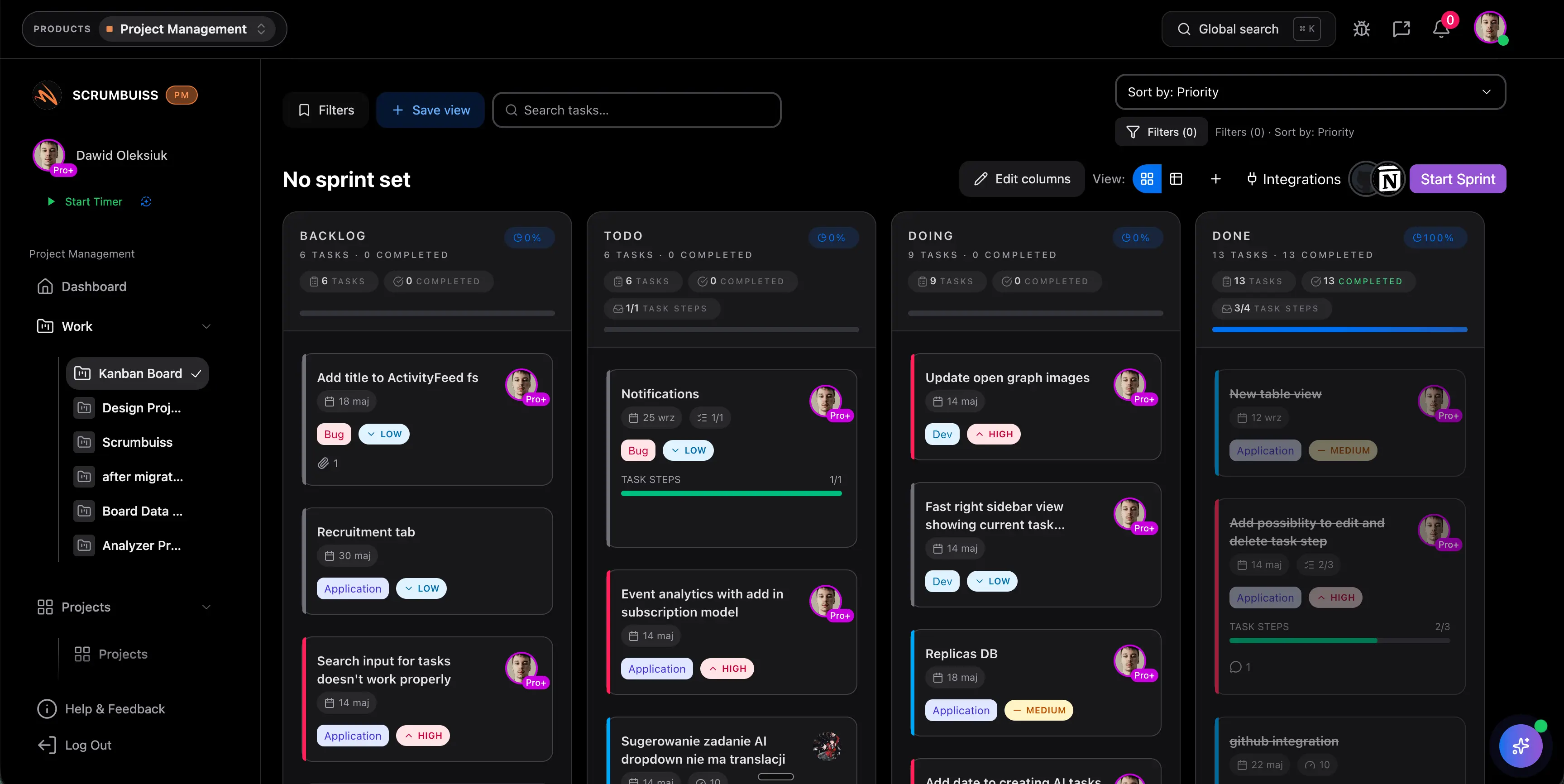
A file workflow becomes operational when project leads, contributors, and stakeholders can review the latest context without reopening a separate drive just to explain what is now approved, what is pending, and what still needs to move. That matters most when files must stay tied to status updates, client delivery, and next actions.

  • Keep approvals and deliverables close to status review so stakeholders do not need a second system just to understand what changed.
  • Use Google Drive-linked workflows when the source folder should remain shareable while project context stays inside Scrumbuiss.
  • Treat files as part of the handoff and review workflow, not as background storage the team has to remember to inspect later.
Scrumbuiss Files connected to stakeholder review and Google Drive-linked delivery workflows

Competitor snapshot

These vendors all support file collaboration, but they package the workflow around different operating models. The useful comparison is whether project files stay close to execution, review, and handoff or mainly behave like a separate document layer.

monday.com

Official page
Best for
Teams that want file collaboration and asset handling inside a broader monday.com workspace.
What the vendor emphasizes
monday.com publicly frames the page around files, collaboration, and keeping assets available inside the workspace.
Main tradeoff to validate
Buyers should verify how clearly briefs, approval state, deliverables, and weekly project reporting stay attached to the file workflow once the workspace grows more complex.
Where Scrumbuiss is stronger
Scrumbuiss is stronger when the evaluation is centered on delivery readability: briefs, project status, stakeholder review, and file handoff in one operating record.

Zoho Projects

Official page
Best for
Teams that want centralized project documents and file sharing inside the wider Zoho Projects environment.
What the vendor emphasizes
Zoho Projects publicly positions document management around central storage, sharing, and collaboration for project teams.
Main tradeoff to validate
The shortlist should still test how well the latest approved file, related brief context, and delivery next steps stay connected during day-to-day execution rather than only in the document layer.
Where Scrumbuiss is stronger
Scrumbuiss is stronger when the main buying problem is reducing version drift and handoff confusion inside a live delivery workflow instead of simply centralizing project documents.

Review current plan limits, sharing rules, and file packaging on the vendor pages before you buy. Product names are trademarks of their respective owners.

What to validate in a live Files pilot

The best trial is one real workflow with active documents, not a blank folder demo. Use the checklist below to judge whether Scrumbuiss Files actually reduces coordination work and latest-version confusion.

  1. Step 1

    Pilot one live workflow with a kickoff brief, working files, at least one approval, and one delivery handoff.

  2. Step 2

    Define which files need to stay readable during delivery: scope docs, specs, assets, approvals, and final deliverables.

  3. Step 3

    Decide whether the pilot should use native files, linked Google Drive folders, or a mix of both.

  4. Step 4

    Check whether contributors can identify the current file quickly from the project context instead of manual folder hunting.

  5. Step 5

    Run one stakeholder review and one handoff from the same pilot workflow to verify that files, notes, and next actions still tell one coherent story.

  6. Step 6

    Set go or no-go criteria: less version confusion, faster status review, clearer approvals, and fewer file-related handoff gaps.

FAQ

These are the product-level questions teams usually need answered before they standardize the Files workflow inside Scrumbuiss.

What is the difference between the Files product page and the files solution page?

The solution page is the category guide. It helps buyers compare project document management software as a broader decision. This product page is narrower. It is for teams evaluating the exact Scrumbuiss Files workflow and deciding whether it is the right product-level fit for briefs, approvals, deliverables, and handoffs.

When is Scrumbuiss Files a better fit than generic cloud storage?

Scrumbuiss Files is the better fit when the problem is not simple access to files, but keeping project context readable while work is active. If the team needs briefs, approvals, ownership, and delivery status to stay close to files, a workflow attached to project execution usually reduces more friction than another disconnected folder layer.

Can Scrumbuiss Files work with Google Drive?

Yes. Teams can use the Google Drive-linked workflow when the source folder should remain shareable in Drive while delivery context, status, and next actions stay inside Scrumbuiss. That is different from replacing every drive workflow with native storage on day one.

Which teams usually benefit most from Scrumbuiss Files?

Agencies, delivery teams, software teams, and operational teams tend to feel the benefit first when project briefs, working files, approvals, and final deliverables all need to stay understandable during live execution. These teams usually lose time not to storage limits, but to version drift and file-related handoff gaps.

What should a Files pilot prove before the team standardizes?

A pilot should prove that people can identify the latest file faster, understand approval status without another search loop, keep brief context attached to working assets, and complete at least one review and one handoff without rebuilding the project story from separate drives or chats.

Can Scrumbuiss Files replace every enterprise document management system?

Not always. Scrumbuiss Files is strongest when the need is project-level file management inside a delivery workflow. Teams that need heavy archival controls, broader enterprise records management, or company-wide digital-asset governance may still prefer a more storage-centric platform for those requirements.