Forms guide • reviewed March 19, 2026

Project Forms Software

Create online project forms, capture structured submissions, and connect responses to the workflow data your team actually uses instead of rebuilding the same fields and context by hand.

Use this page to evaluate the forms feature itself. The useful buying question is not whether a form looks polished in a demo. It is whether the request arrives with enough structure to be qualified, routed, and owned without another cleanup loop.

If the real bottleneck is qualification, prioritization, approvals, and routing after submission, compare project intake software instead of only the form builder.

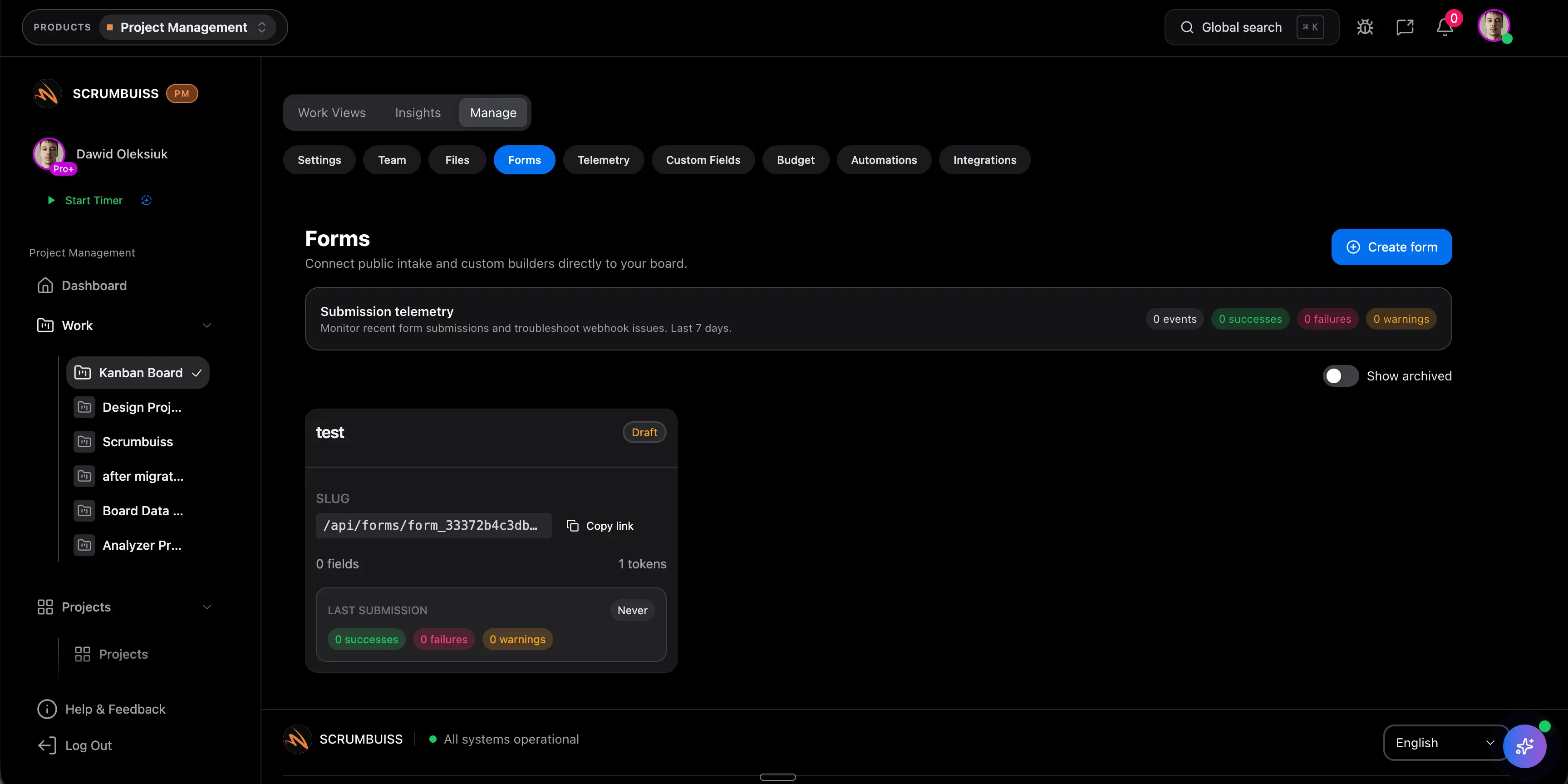
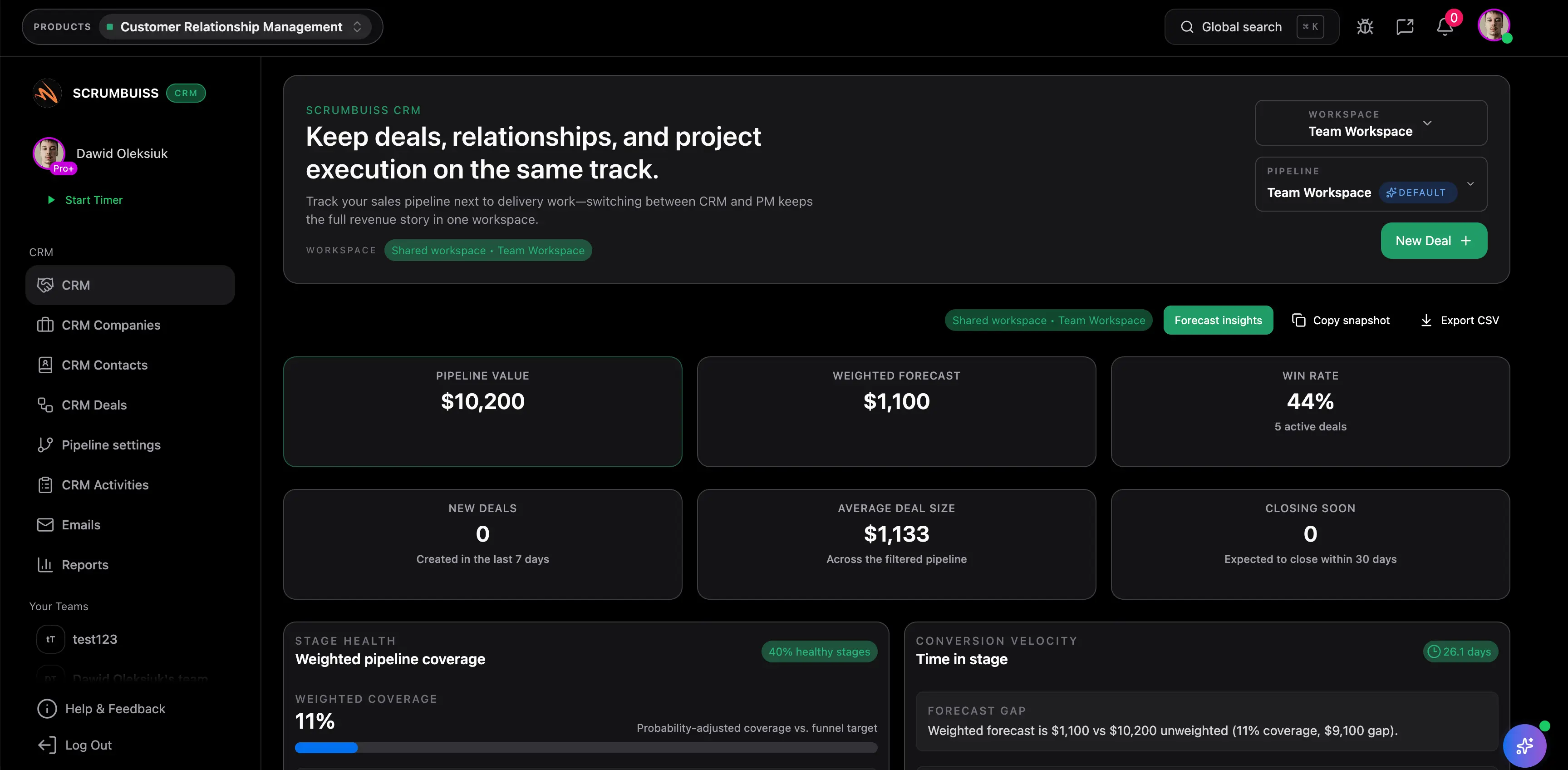
Scrumbuiss project forms overview

How we reviewed project forms tools

Reviewed on March 19, 2026. This page compares one buying question: which tools help teams build project forms that capture the right information, stay usable for requesters, and connect submissions to the workflow without assuming the form builder alone solves prioritization, approvals, and downstream delivery.

  • Scrumbuiss references come from the live pricing page plus the Project Intake, Project Delivery, Project Brief, Custom Fields, Automations, CRM, and Agencies pages in this site.
  • Competitor references come from the official forms or request-management pages published by monday.com, Asana, and Workzone reviewed on March 15, 2026.
  • The goal is not to count question types. It is to help teams decide whether a forms feature collects the right information and hands it off cleanly into the workflow the team already runs.

When Scrumbuiss is a fit

The right decision depends less on how pretty a form looks and more on what data it captures and how cleanly it hands the submission into the workflow.

Strong fit for Scrumbuiss

Best when the main need is reusable project forms inside an existing workflow, so teams can collect structured submissions without rebuilding the same fields every time.

  • The team already understands the intake model and needs a cleaner way to collect structured responses.
  • Custom fields, required questions, and supporting files should stay attached to the submission instead of being gathered in follow-up messages.
  • The broader intake workflow already has a home, but the form experience still creates missing-information cleanup.

Worth piloting carefully

A live pilot is useful when the team already has some request process, but the form itself still needs spreadsheet cleanup, duplicate field logic, or awkward handoffs before the work can move.

  • Test one real form flow such as project requests, onboarding collection, or internal approvals.
  • Measure whether the team gets better input quality and fewer follow-up questions after submission.
  • Validate that the form captures the same field model the workflow depends on later in dashboards, briefs, and automations.

Probably not the best fit

A simpler standalone form tool may fit better when the main requirement is only collecting basic responses, and a broader intake workflow page may fit better when the real problem is prioritization, approvals, and routing after submission.

  • The team mainly needs marketing forms, surveys, or simple lead capture with no downstream project workflow.
  • Project execution already works well elsewhere and the main requirement is broad form distribution rather than workflow continuity.
  • If the real bottleneck is request prioritization and approval logic, compare the broader project intake software workflow instead of only the form feature.

Collect the right context first

Capture structured submissions without chasing the same missing details later

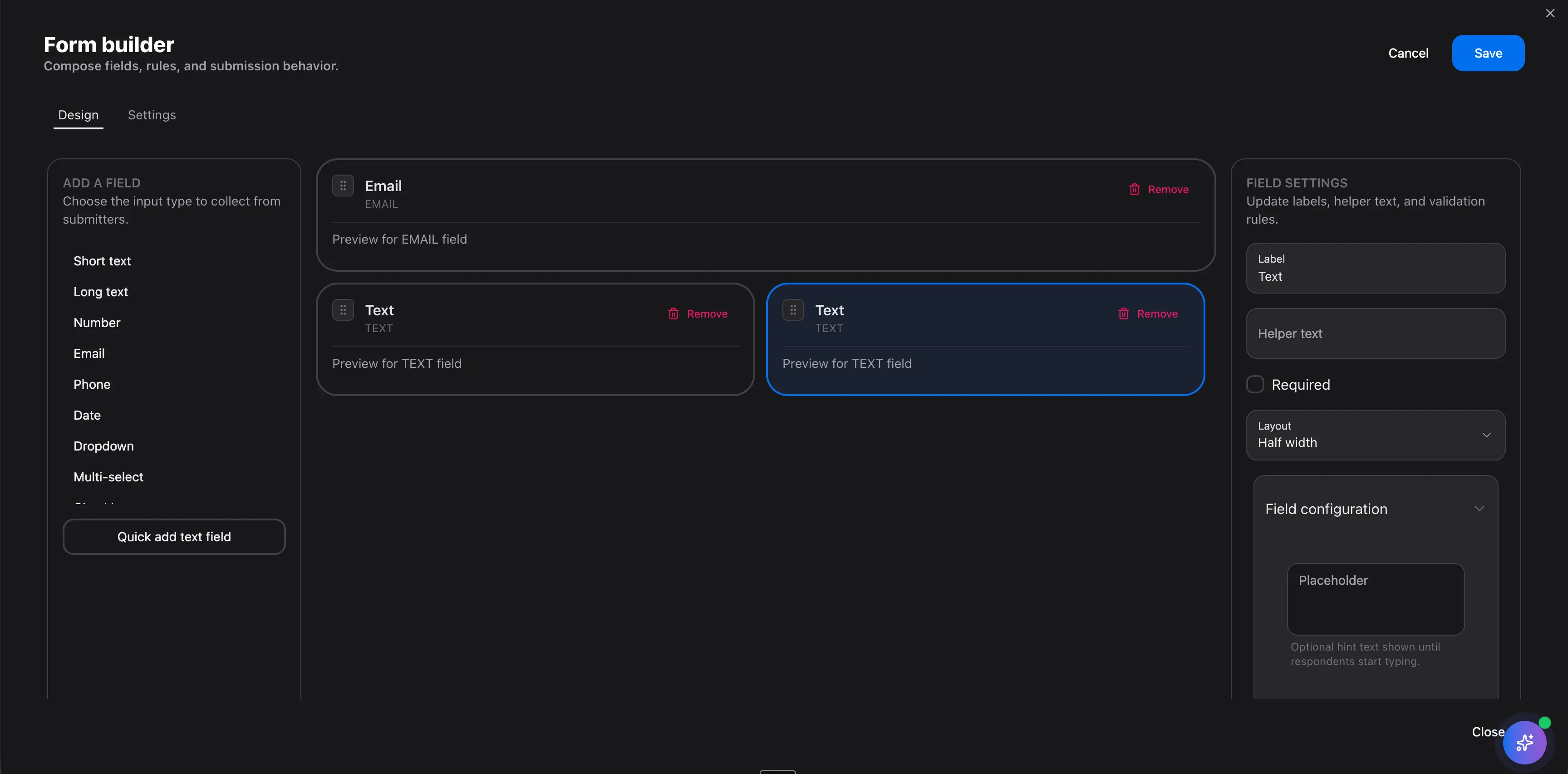
The value of project forms starts with input quality. A submission should arrive with enough structure that the team can understand what was requested, who it affects, and which supporting details belong with it before another clarification loop begins.

  • Collect the request type, objective, deadline, stakeholder, and supporting files in one submission.
  • Use structured questions and custom fields so teams can compare responses consistently instead of parsing free-text email.
  • Keep the form focused on the information that actually changes qualification, routing, or downstream work.
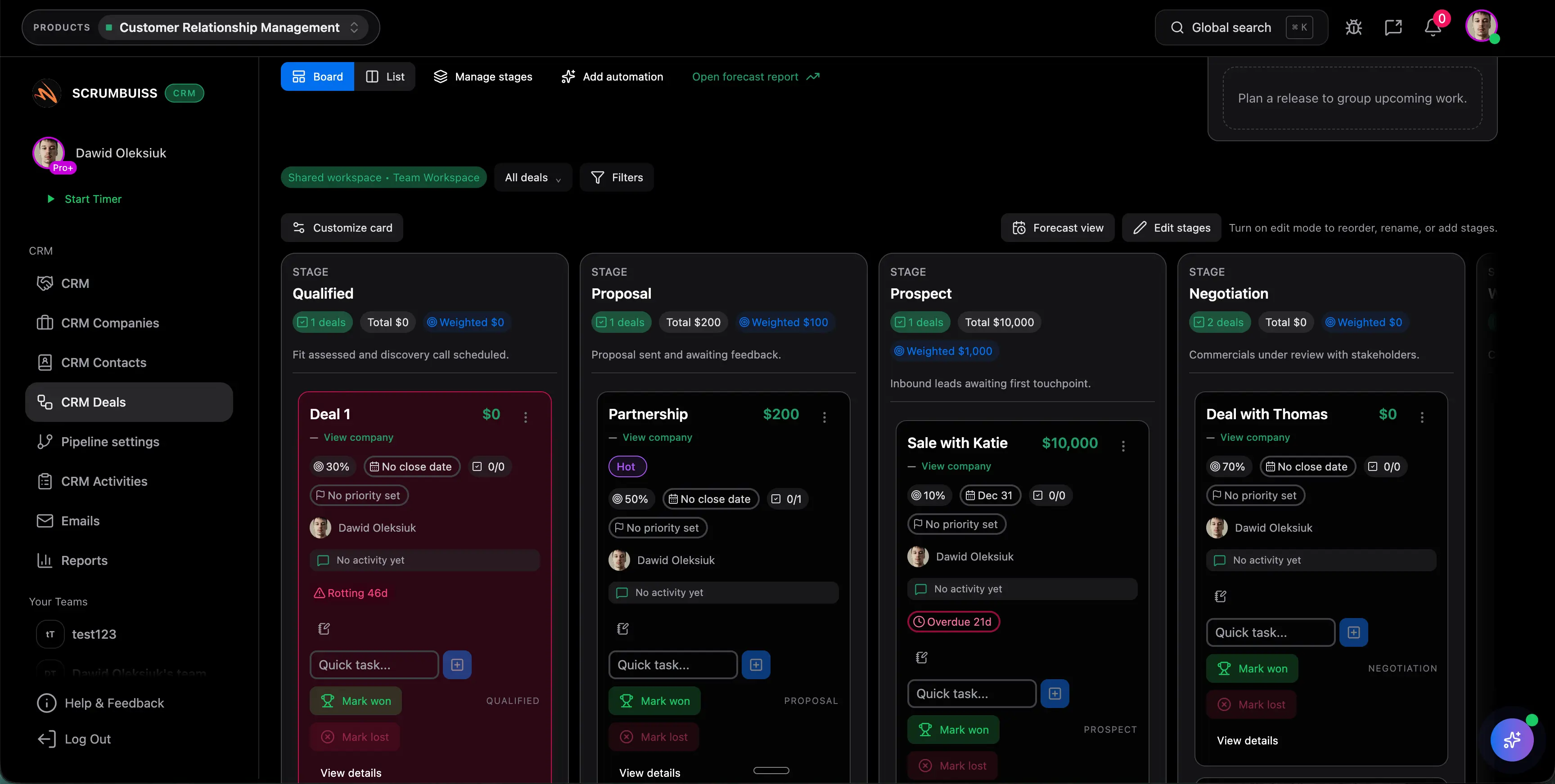
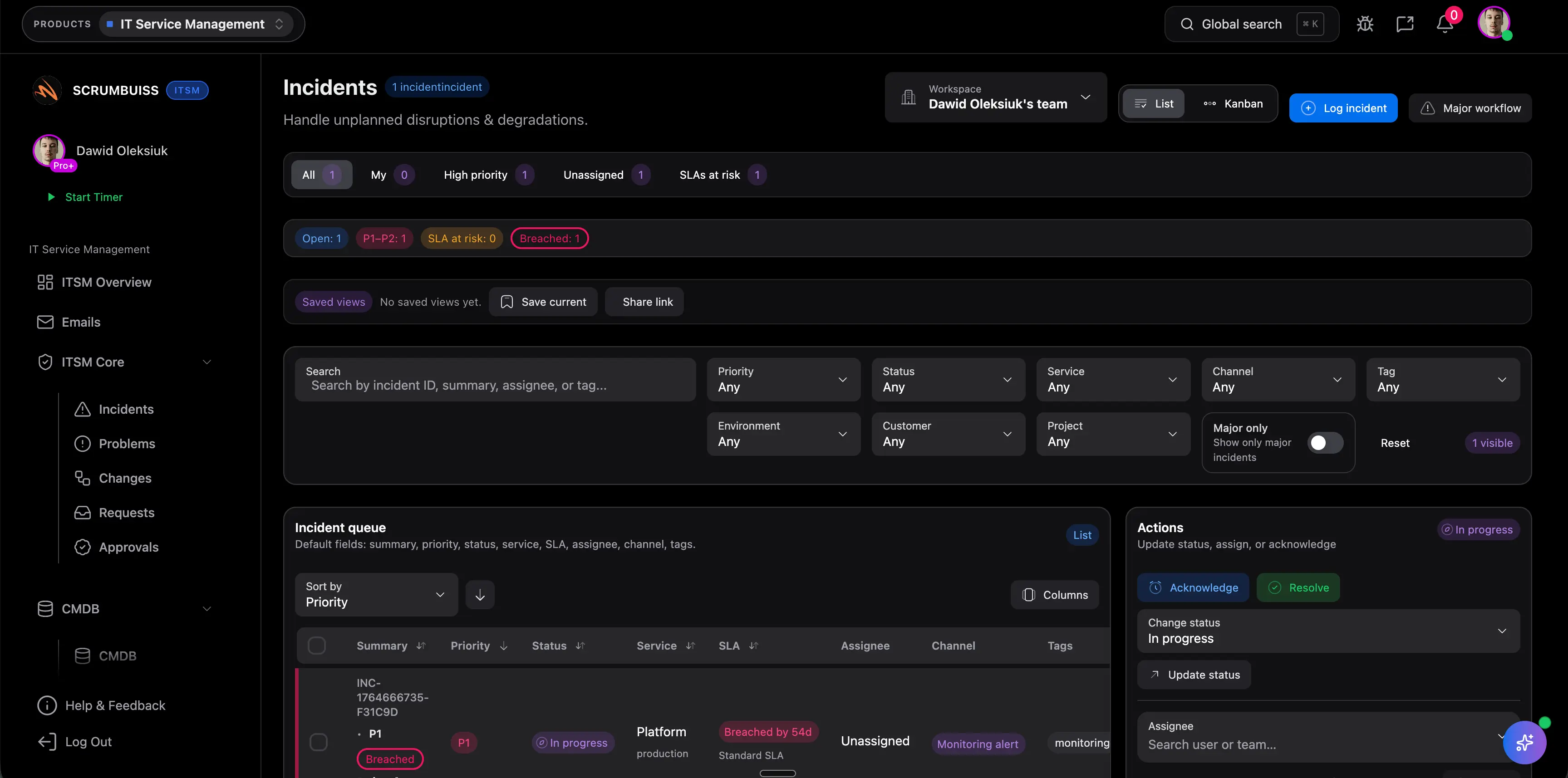
Scrumbuiss project form used to collect structured request details

Connect forms to the workflow

Turn submissions into structured workflow records instead of another spreadsheet export

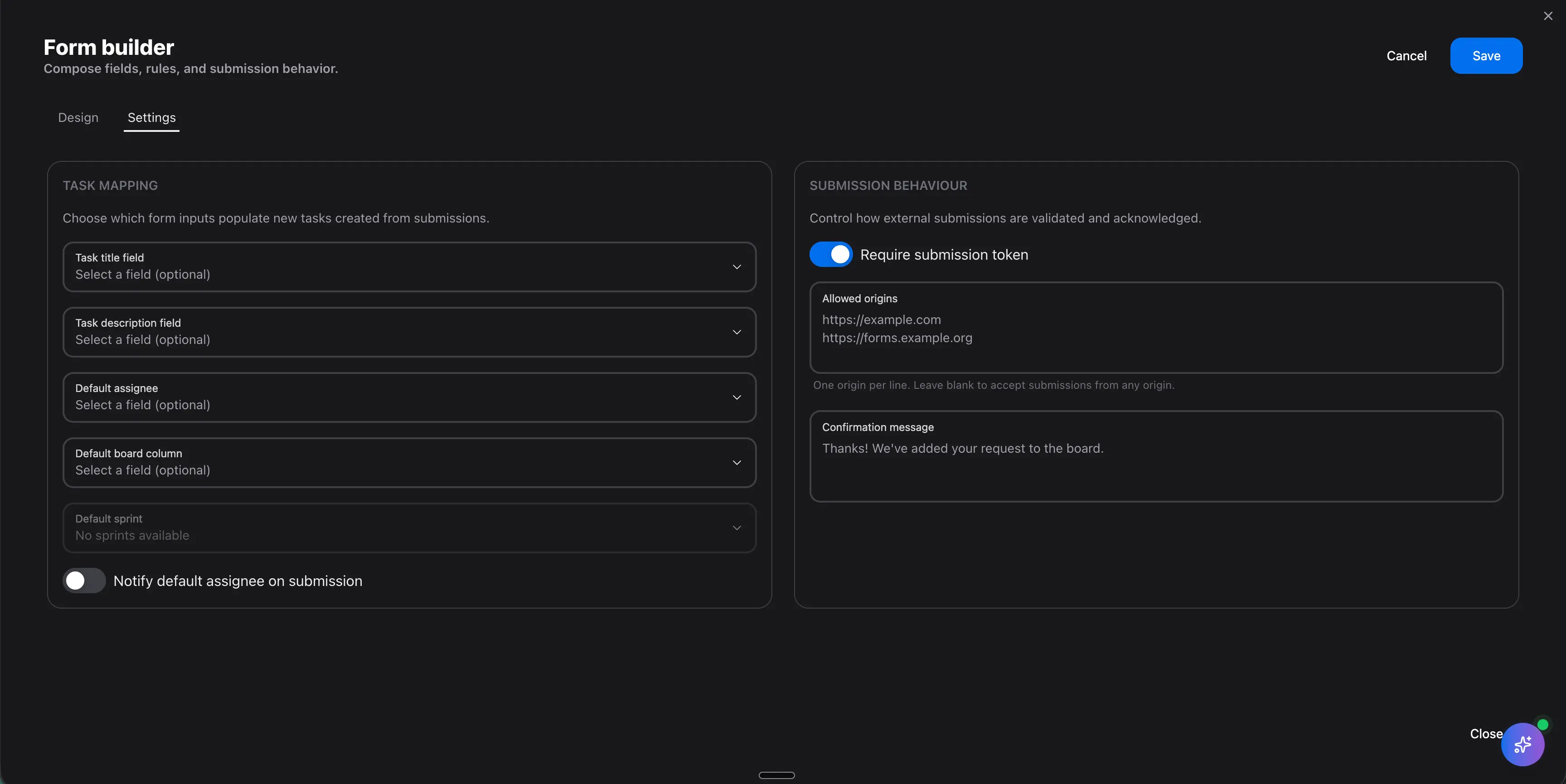
Project forms break down when they only collect responses and the real work still starts in a second tool. The better setup keeps form responses tied to the same field logic, owner model, and workflow records the team already uses.

  • Route submissions by team, priority, client, or work type so responses land in the right workflow immediately.
  • Create the first owner, status, project record, or brief automatically instead of exporting form data into another admin step.
  • Use forms as the front door to delivery, CRM handoffs, or operational follow-up so the submission already belongs somewhere after it is sent.
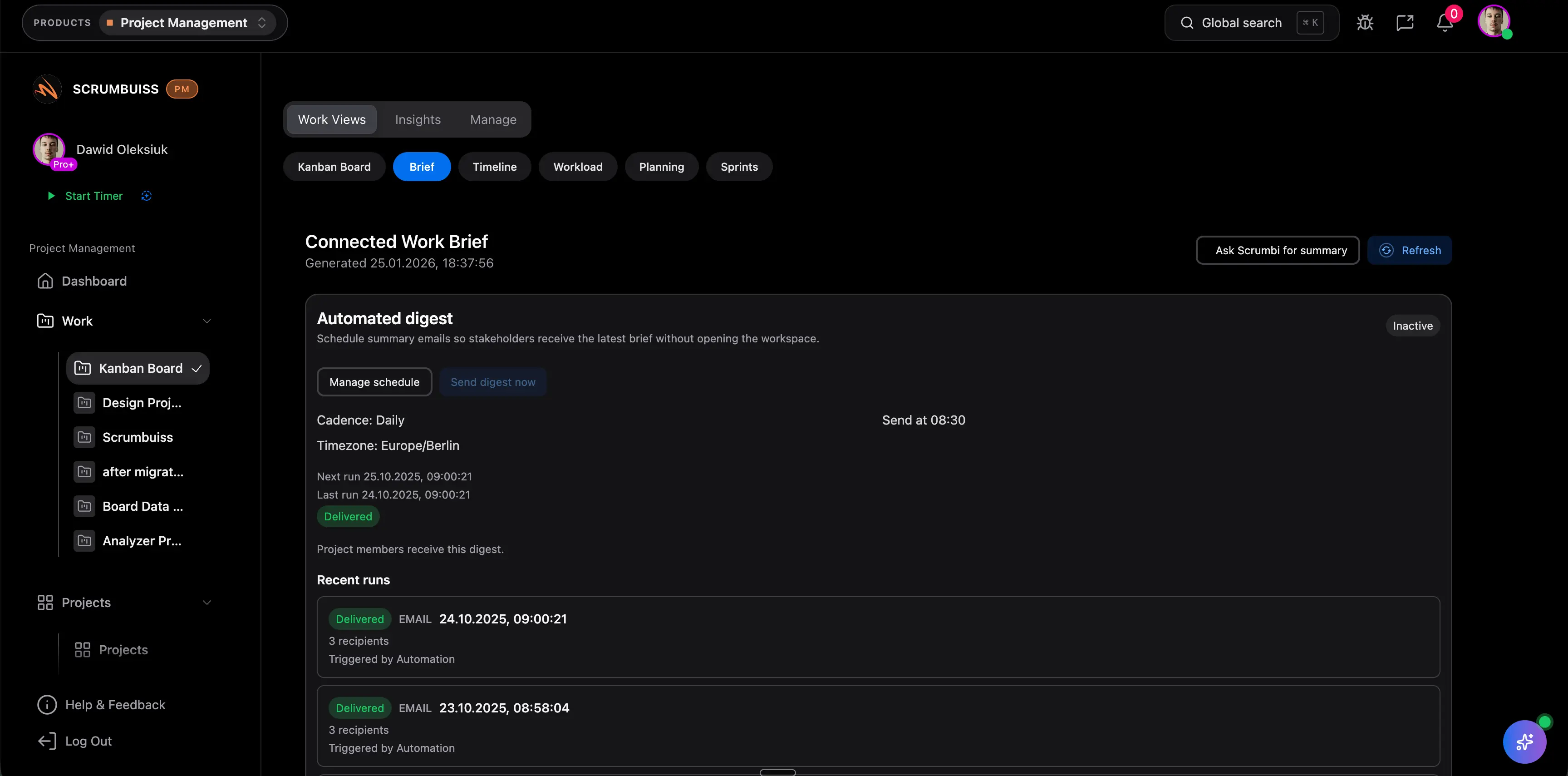
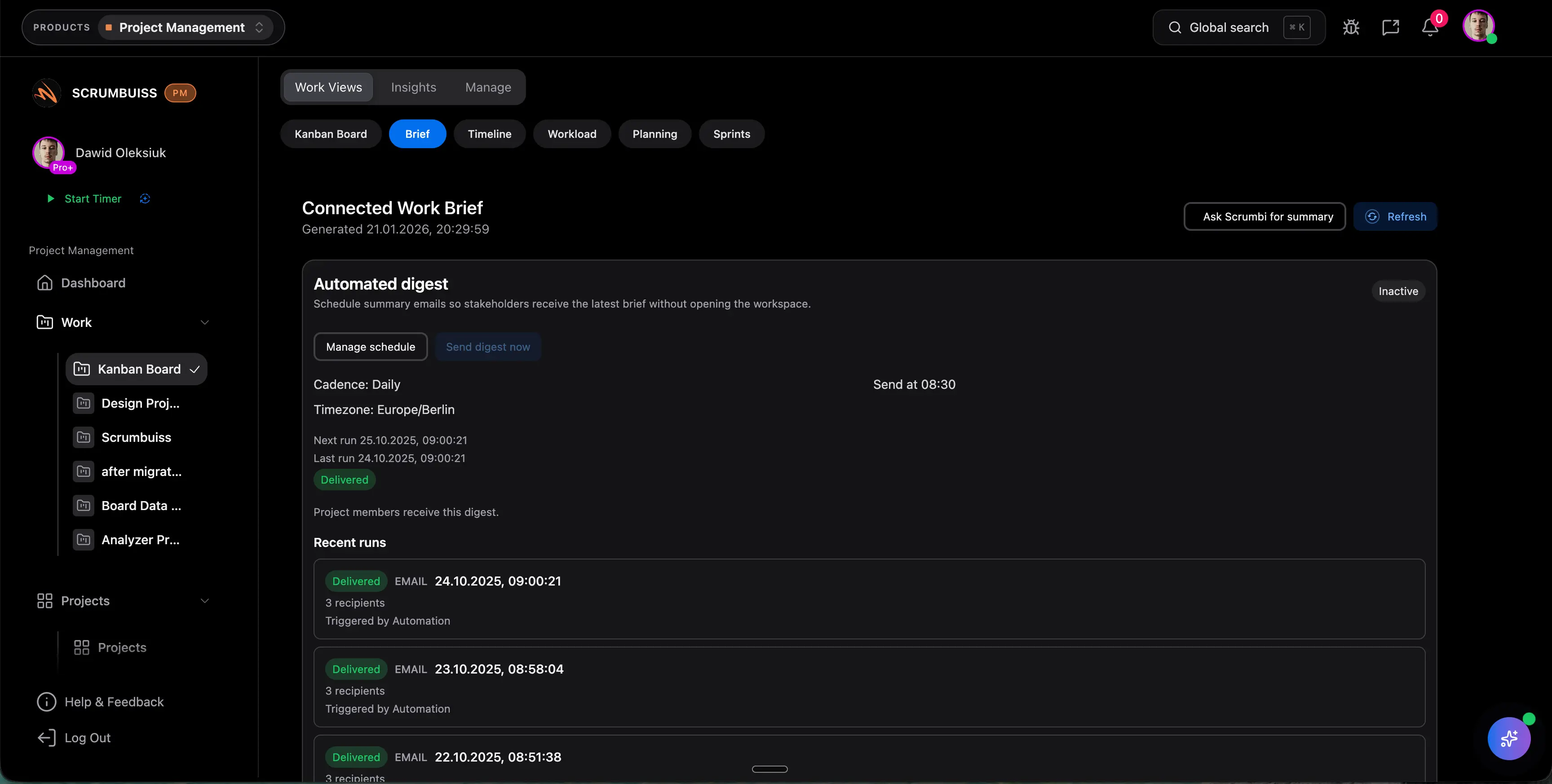
Scrumbuiss project forms routing submissions into structured workflow records

Keep submissions readable later

Use project forms as a clean entry point, not the entire request-management strategy

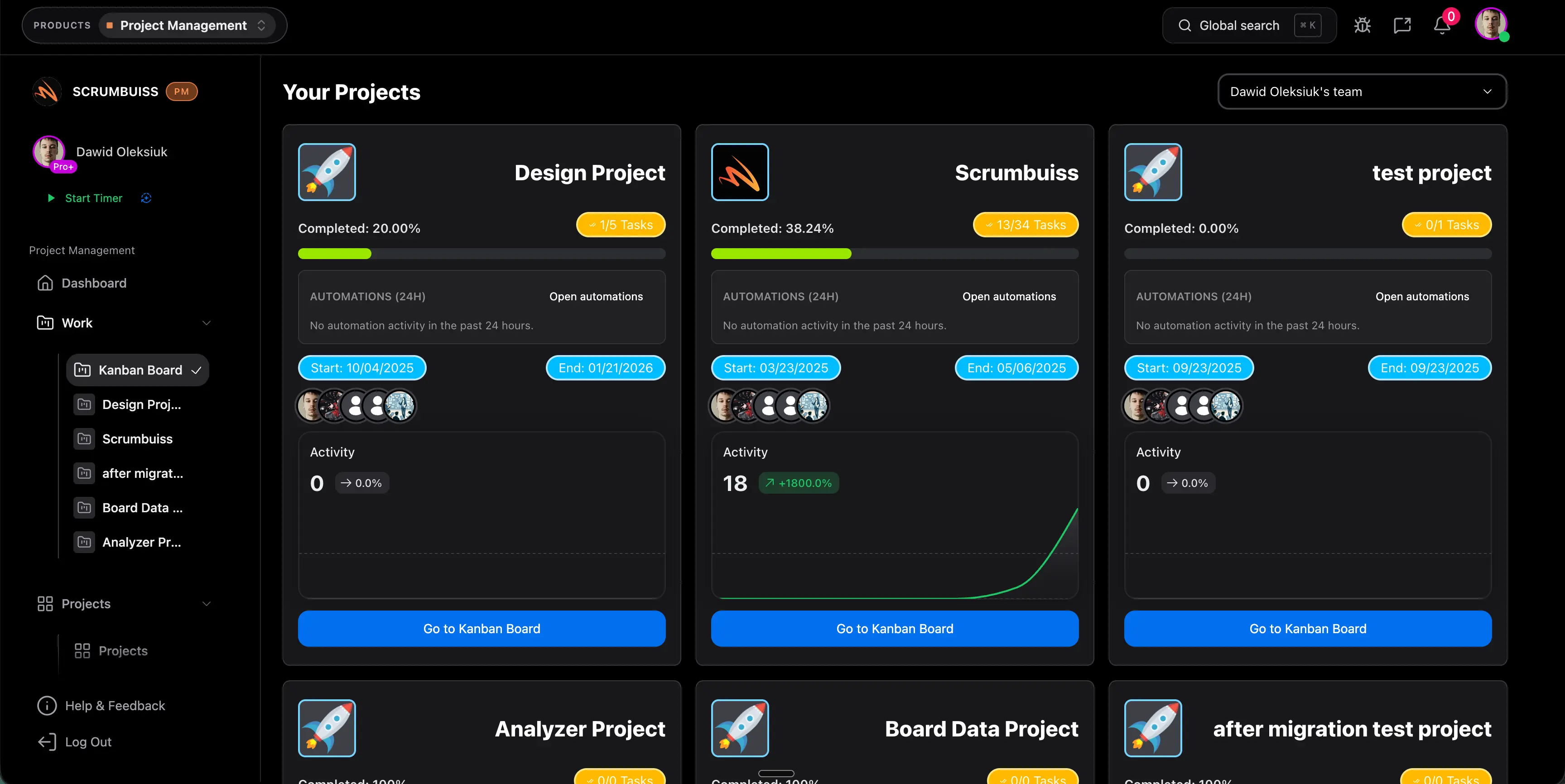
A forms feature is only useful if the submission stays readable after the form is complete. Teams still need the original context, owner, and next step visible without reopening email threads or rebuilding the story in a project review.

  • Keep the original submission visible beside ownership, project status, and next steps.
  • Use activity history, automations, and dashboards so requesters and delivery leads can follow progress from the same operating record.
  • When the broader problem includes prioritization, approvals, and routing, use the project intake software workflow as the main evaluation page instead of expecting the form feature to cover everything alone.
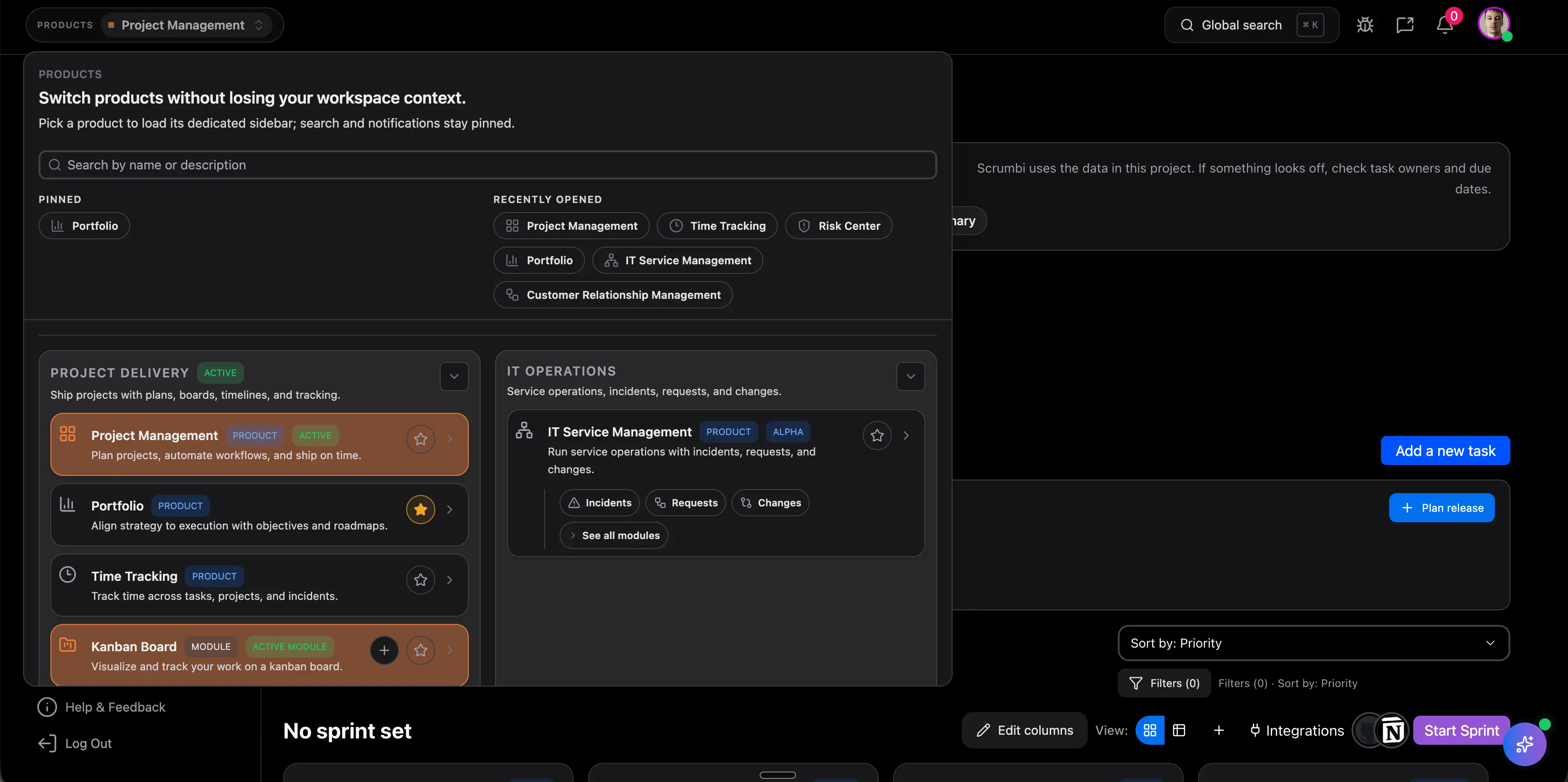
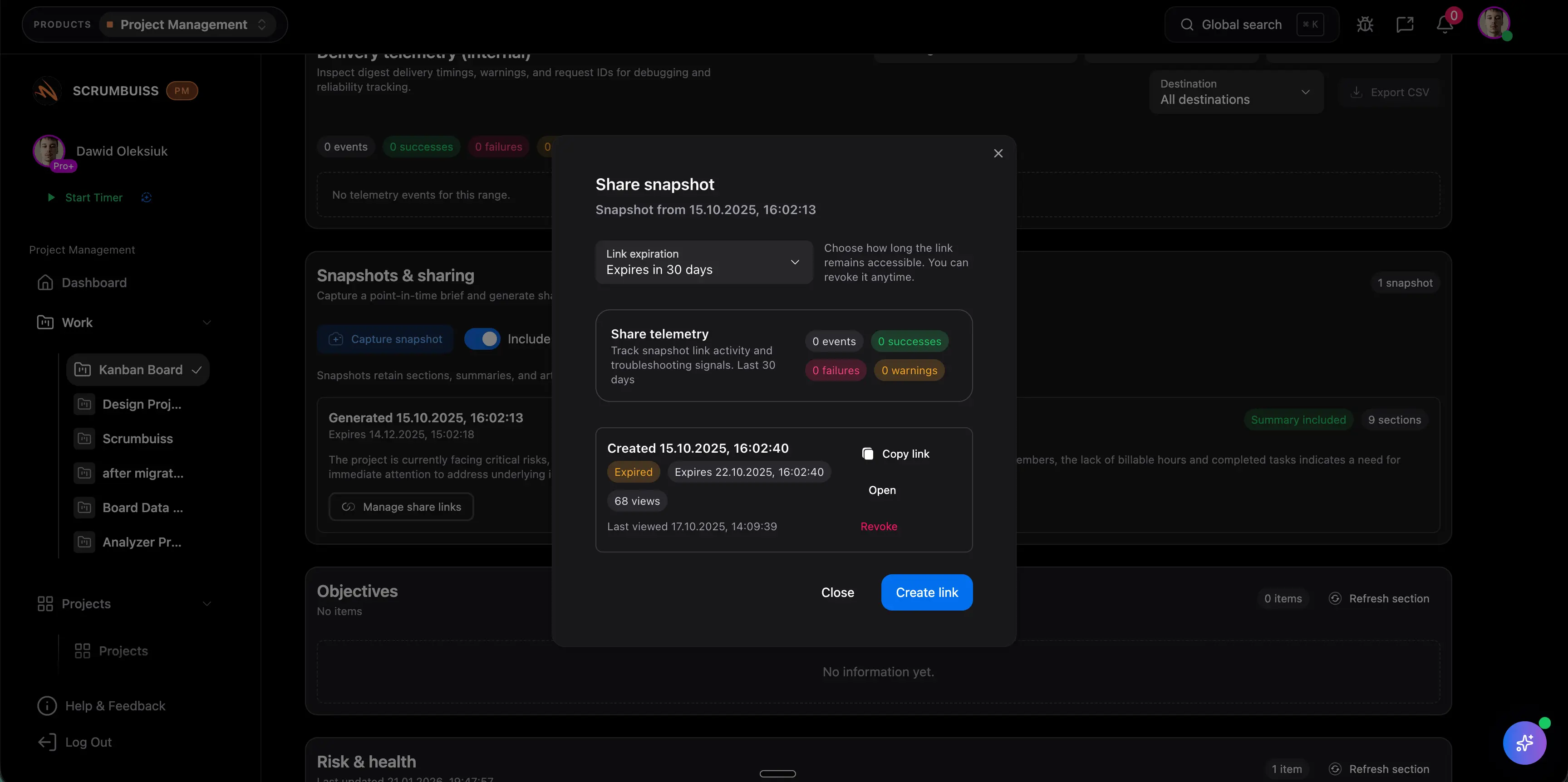
Scrumbuiss project forms workflow showing follow-up visibility after submission

Competitor snapshot

These tools all help teams create forms or request entry points, but they package the forms experience around different operating models. The useful comparison is whether the form captures the right data and connects cleanly to the workflow, or mainly acts as another response collector.

Tool Best for Forms angle Main tradeoff Why teams choose Scrumbuiss instead
monday.com Board-centric teams that want online forms connected to a flexible work-management workspace and no-code workflow building. monday.com publicly emphasizes creating easy-to-use online forms and turning responses into effective workflows inside monday boards. Teams should validate whether request context, approval logic, and downstream project visibility stay readable once the process depends on board structure and workspace configuration. Scrumbuiss is stronger when the main need is a tighter intake-to-delivery operating model where approvals, briefs, and project follow-up stay easier to track together.
Asana Teams standardizing incoming work with reusable request-tracking templates inside a broader collaborative work-management platform. Asana's public request-tracking template focuses on organizing, prioritizing, and managing incoming work so teams understand what happens next and who is responsible. Buyers should validate whether approvals, kickoff context, and structured project handoff still need a separate process beyond the template and task workflow. Scrumbuiss is stronger when the request should move directly into project context, brief alignment, ownership, and follow-up without another translation step.
Workzone Operations-heavy teams that want centralized requests and process efficiency inside a broader operations project-management environment. Workzone publicly emphasizes simplifying workflows, improving process efficiency, and centralizing operational requests inside one management system. That operations-first positioning can be broader and heavier than teams that mainly need cleaner project intake tied directly to delivery planning and execution. Scrumbuiss is stronger when the evaluation centers on structured project request intake, approvals, and project follow-up inside a lighter delivery workflow.

Review current plan limits, workflow depth, and request-management packaging on the vendor pages before you buy. Product names are trademarks of their respective owners.

What to validate in a live pilot

The best pilot is one real request type that already causes friction. Use the checklist below to judge whether a forms workflow improves submission quality and handoff readiness, not just whether the form itself looks polished.

  1. Step 1

    Choose one intake flow with real operational cost, such as client requests, internal change requests, project kickoff requests, or recurring service intake.

  2. Step 2

    Define the minimum fields required to route, approve, and start the work without another clarification meeting.

  3. Step 3

    Map where approved requests should land: owner, project, brief, queue, status, and notification path.

  4. Step 4

    Run real submissions through the workflow and confirm the original request stays visible after the handoff.

  5. Step 5

    Measure whether triage time, missing-information follow-up, or approval delays decrease during the pilot period.

  6. Step 6

    Verify that requestors, approvers, and delivery owners can all understand the current status from the same record.

FAQ

These are the buying and rollout questions teams usually need answered before project forms become dependable enough to standardize across the workflow.

What is project forms software?

Project forms software helps teams collect new work requests in a structured way so submissions can be reviewed and routed cleanly. The strongest tools do more than collect responses. They keep the submission connected to the workflow fields and records the team already uses after the form is submitted.

How is project forms software different from a website contact form?

A website contact form usually captures a message and hands it off for manual follow-up. Project forms software is built for operational work. It captures structured details, routes the request to the right owner or project, and connects responses to the workflow fields the team uses later.

Which teams benefit most from project request management software?

Teams benefit most when inbound work is frequent enough that email, chat, and meeting-based intake are already creating delays or confusion. Agencies, software teams, IT operations teams, and internal service teams often feel this pain first because requests need to be prioritized, approved, and handed off cleanly.

What should a project form capture?

Most teams should capture the request type, business goal, scope summary, deadline, requester, affected stakeholders, approval requirement, priority, and any supporting files or links. The best form collects enough detail to route and assess the work without becoming so long that nobody completes it properly.

How should a team evaluate project forms before rolling them out widely?

Run one real workflow end to end and measure whether the team got better submission quality, fewer clarification loops, and a cleaner handoff into the workflow records that matter later. A useful pilot should improve how work enters delivery in a normal week, not just prove that one form can create one task.