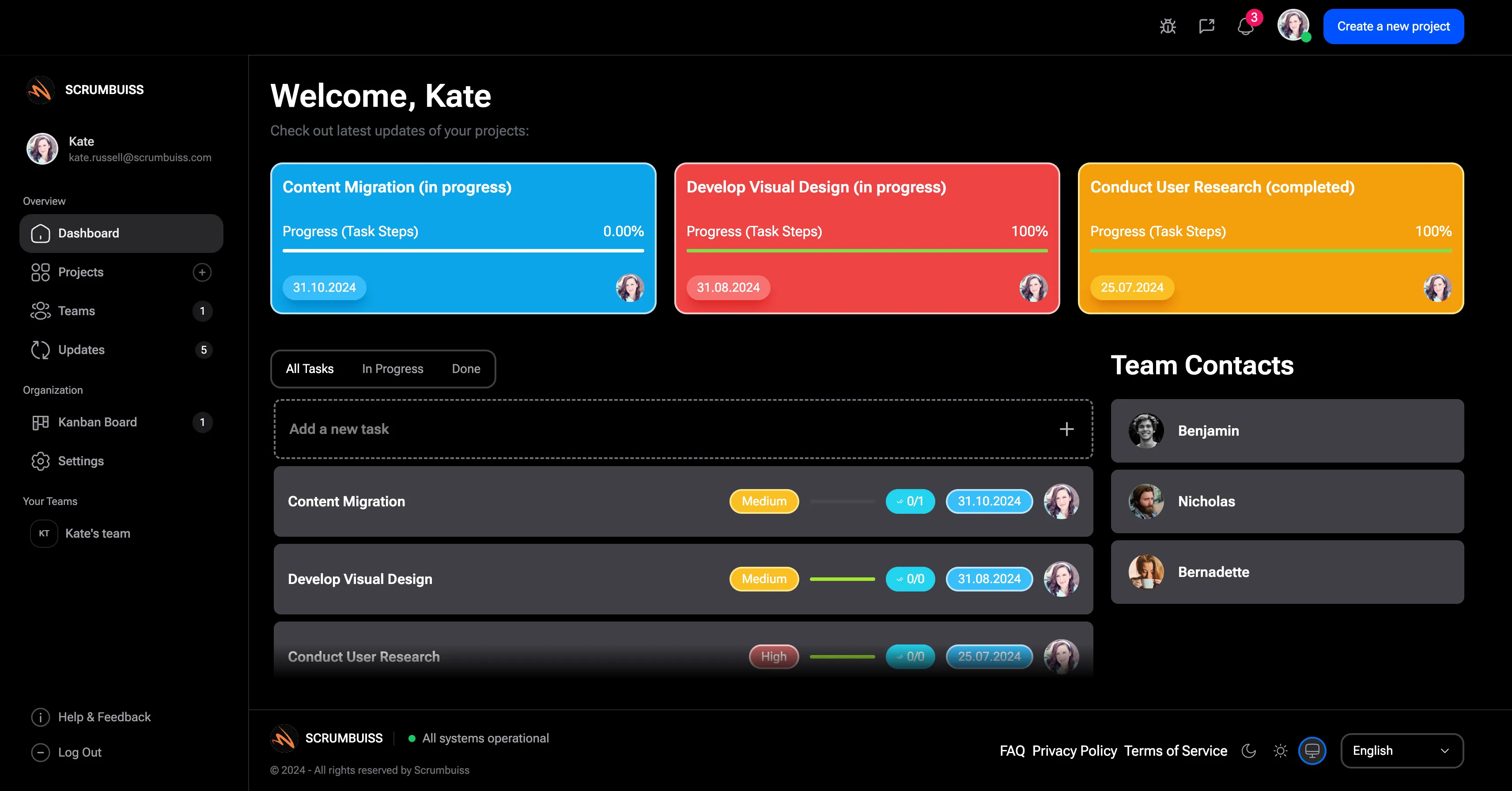
Project Tracking Guide
Project tracking is the practice of keeping project work, owners, dates, blockers, risks, and progress visible enough that the team can act before delivery drifts. It is not only a status update. It is the operating habit that keeps plans connected to reality.
This guide targets the broad project tracking keyword cluster found in SEMrush. It is separate from the project tracking board guide, which focuses on board layout, and from the project tracking software guide, which focuses on tool selection.
Key Takeaways
- Project tracking should show progress, owners, due dates, blockers, risks, and next decisions.
- Tracking is useful only when it changes what the team does next.
- Teams usually need a board for daily work, a timeline for sequencing, and a dashboard for stakeholder review.
- The best tracking setup reduces manual status chasing.
What Is Project Tracking?
Project tracking is the ongoing process of comparing planned work with current delivery reality. It answers:
- What has been completed?
- What is active now?
- What is blocked?
- Which milestone is at risk?
- Who owns the next action?
- What decision or escalation is needed?
Scrumbuiss supports project tracking through Project Delivery, Dashboard, Gantt Timeline, Activity Feed, and Risk Center.
What To Track
| Tracking signal | Why it matters |
|---|---|
| Owner | Makes accountability clear |
| Status | Shows whether work is planned, active, blocked, in review, or done |
| Due date | Keeps timing visible |
| Milestone | Connects tasks to delivery outcomes |
| Dependency | Shows what must happen first |
| Blocker | Identifies work that cannot move |
| Risk | Flags uncertainty before it becomes an issue |
| Decision needed | Shows what stakeholders must resolve |
Project Tracking Process
- Define the project outcomes and milestones.
- Break work into trackable tasks or deliverables.
- Assign owners and due dates.
- Choose the tracking view: board, timeline, dashboard, or template.
- Review progress on a consistent cadence.
- Update blockers, risks, and decisions.
- Escalate tradeoffs early.
- Use actual delivery data to improve the next plan.
Board vs. Timeline vs. Dashboard
| View | Best use |
|---|---|
| Board | Day-to-day task movement, owners, handoffs, and blockers |
| Timeline | Dependencies, milestone sequence, and date impact |
| Dashboard | Stakeholder summaries, risk, progress, and decision review |
| Template | Lightweight tracking when a team is not ready for software |
Most teams need more than one view. A board can show work movement, but a timeline explains sequence and a dashboard explains overall health.
FAQ
Frequently
asked
questions
Related features
Explore the Scrumbuiss features mentioned in this article.
- Dashboard
Track project progress, blockers, workload, KPIs, status reporting, and analytics context in one live dashboard.
- Gantt Timeline
Plan dependencies, milestones, and schedule changes with a Gantt chart view that stays close to execution.
- Activity Feed
Stay up to date with real-time updates on tasks, progress, and team activities.
Unlock Success &
Power Up Your Projects
Next to explore
Explore more pages to understand the product suite, common workflows, and evaluation guides.