Google Drive integration guide • reviewed 2026-03-14

Project Management Software With Google Drive Integration

Link Google Drive files and folders to briefs, tasks, dashboards, and client delivery work so teams can keep one shareable source instead of re-uploading the same assets across tools.

Use this page to compare Google Drive-connected briefs, delivery handoffs, and file-heavy client workflows before you standardize on a broader project-management setup.

This page is for agencies and client-delivery teams that want one shareable source of project files, not for teams that only need a standalone cloud drive.

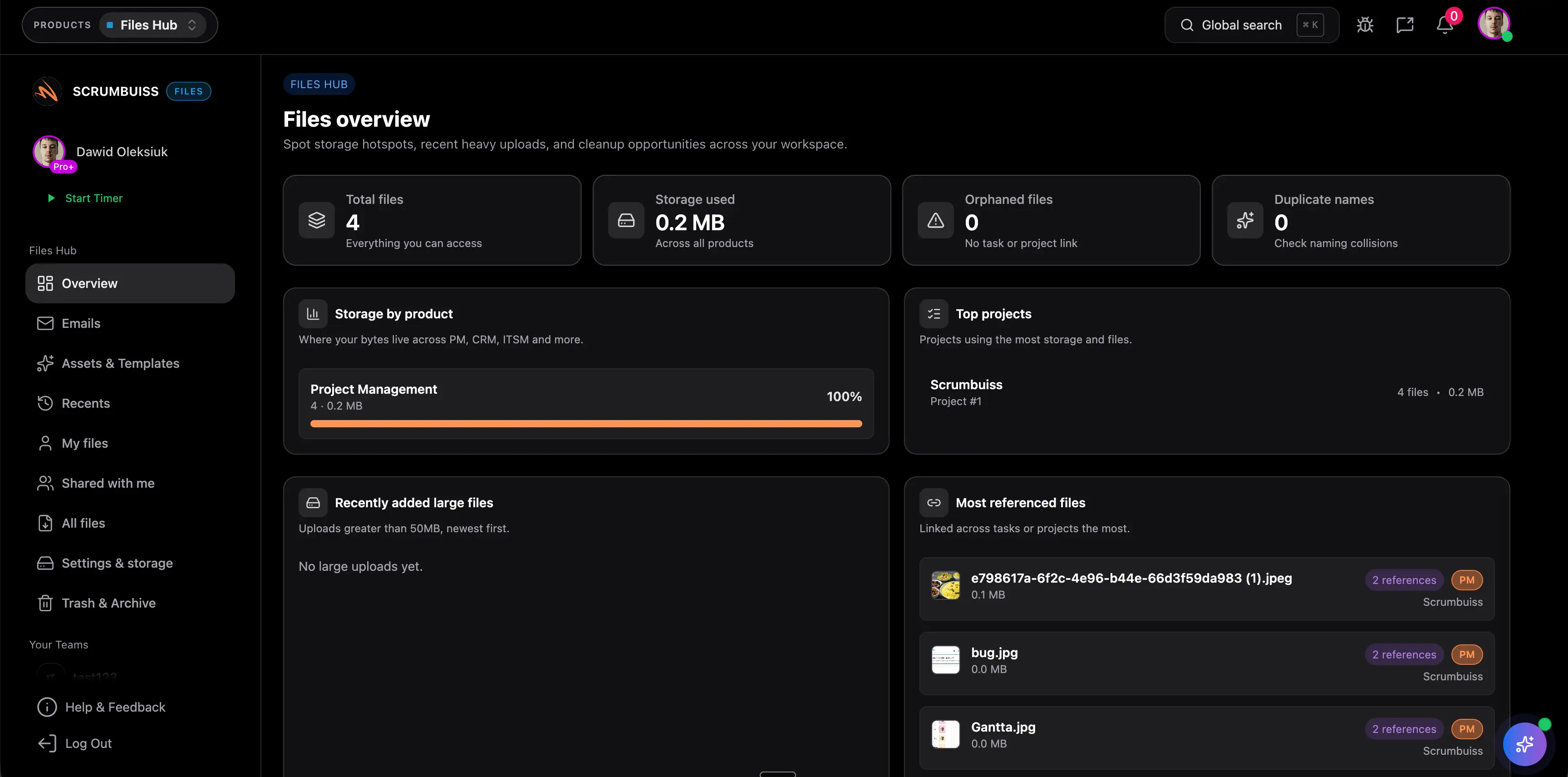
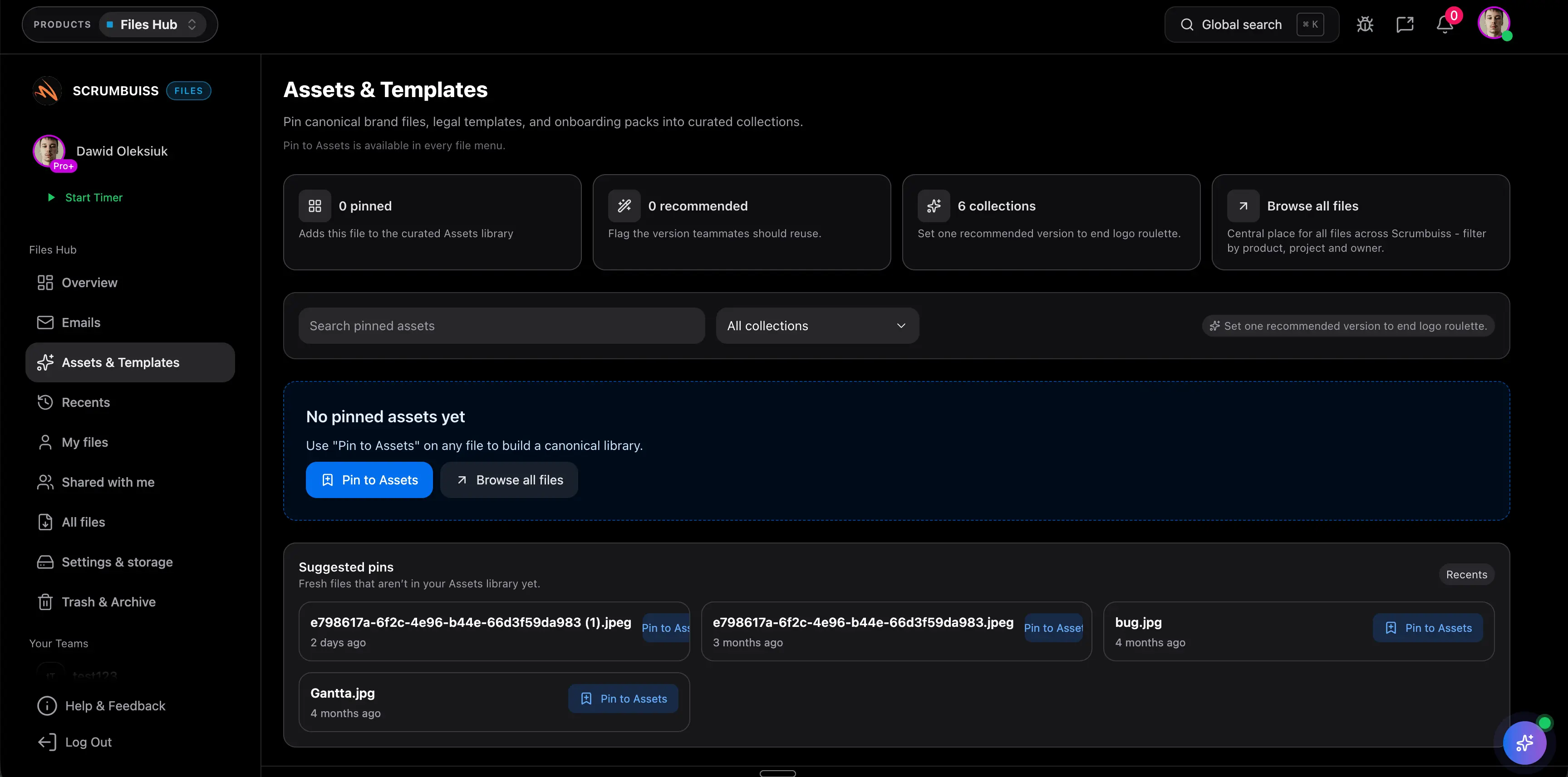
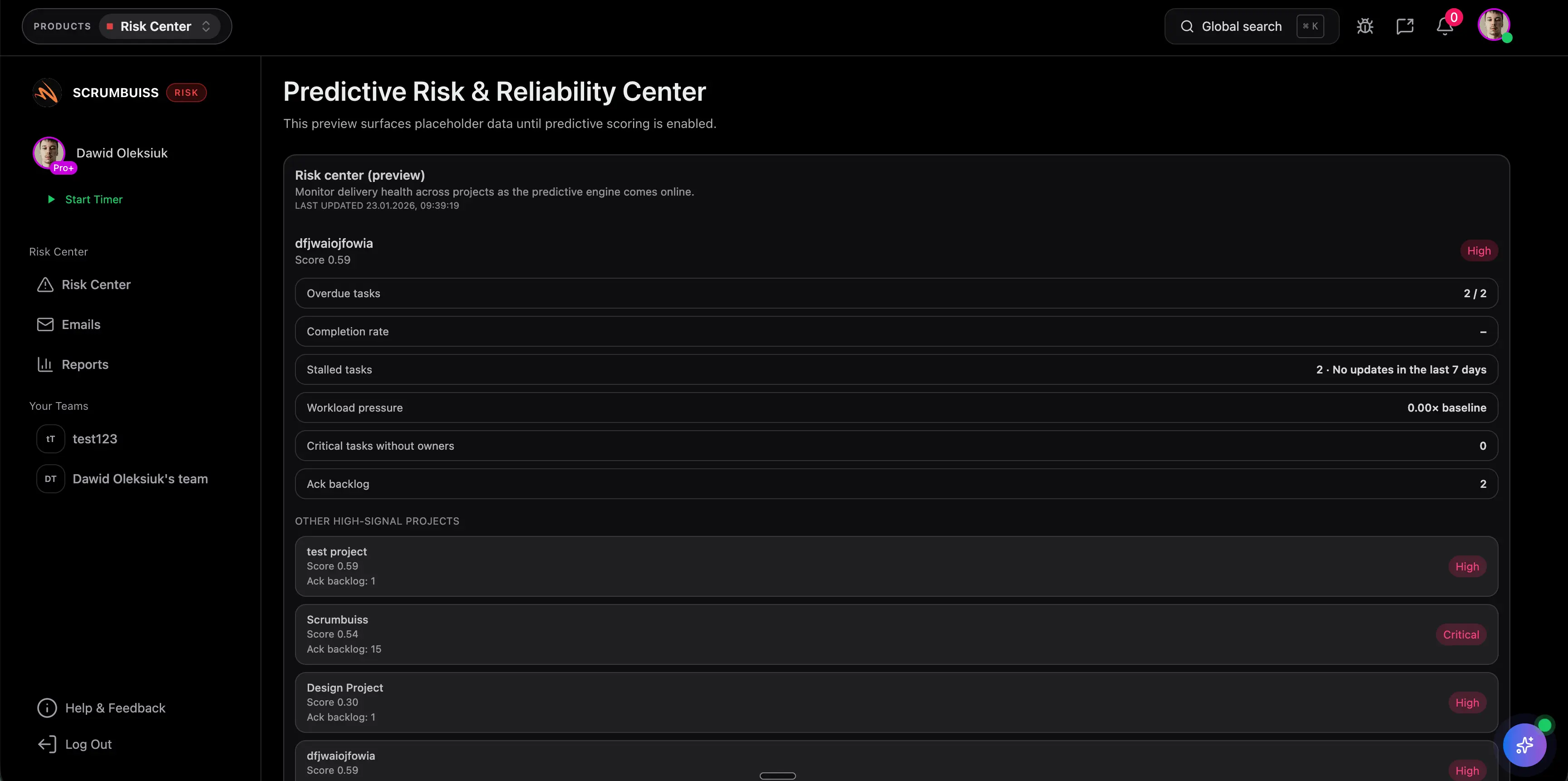
Scrumbuiss Google Drive-connected project files overview

How we reviewed Google Drive-connected project management tools

Reviewed on March 14, 2026. This page compares one workflow: how agencies and client-delivery teams keep Google Drive files tied to project briefs, delivery tasks, and status reporting without letting document context drift away from the work.

  • Scrumbuiss references come from the live pricing page plus the Files, Project Delivery, and Time Tracking product pages, along with the Agencies workflow page in this site.
  • Competitor references come from the official Google Drive integration or app pages published by Asana, Teamwork, Wrike, and ClickUp.
  • The goal is not to score every storage checkbox. It is to help teams validate whether Google Drive stays useful after kickoff, delivery handoffs, and weekly client reporting begin.

When Scrumbuiss is a fit

The right decision depends less on one Google Drive checkbox and more on whether shared files stay connected to briefs, task execution, and client-facing delivery reviews after the project gets busy.

Strong fit for Scrumbuiss

Best when Google Drive should support a broader client-delivery workflow instead of living as a separate file repository nobody checks during execution.

  • Agency teams want briefs, source files, and deliverables attached to the work where handoffs happen.
  • Project leads need one shareable source for files instead of duplicate uploads scattered across tools.
  • Weekly status reviews still need to connect source documents, delivery progress, and team updates.

Worth testing carefully

Run a live pilot if Drive is already central to how the team stores client files, but project context still gets rebuilt by hand after kickoff.

  • Folders are well organized in Drive, but tasks, briefs, and delivery updates live elsewhere.
  • Version confusion appears during client reviews, handoffs, or weekly reporting.
  • One active project can test whether linking source files into the workflow actually reduces duplicate uploads.

Probably not the best fit

A simpler tool may fit better when the team only needs occasional file attachments and does not need Drive context embedded in a broader delivery workflow.

  • Google Drive is just a lightweight file store, not a core part of project handoffs.
  • The team does not need briefs, project views, or reporting tied back to source documents.
  • A standalone storage workflow is good enough and delivery coordination happens elsewhere.

Client handoffs

Keep Google Drive files attached to the delivery work, not buried in folders

Google Drive integration is most useful when the brief, latest deck, source file, or client asset is linked exactly where the team plans and executes work. That keeps handoffs cleaner and reduces the duplicate-upload habit that usually creates version confusion.

  • Link folders or files to briefs, tasks, and project views where the team already works.
  • Keep one shareable source for client assets instead of exporting copies into multiple tools.
  • Reduce time spent asking which file is current before kickoff, review, or handoff.
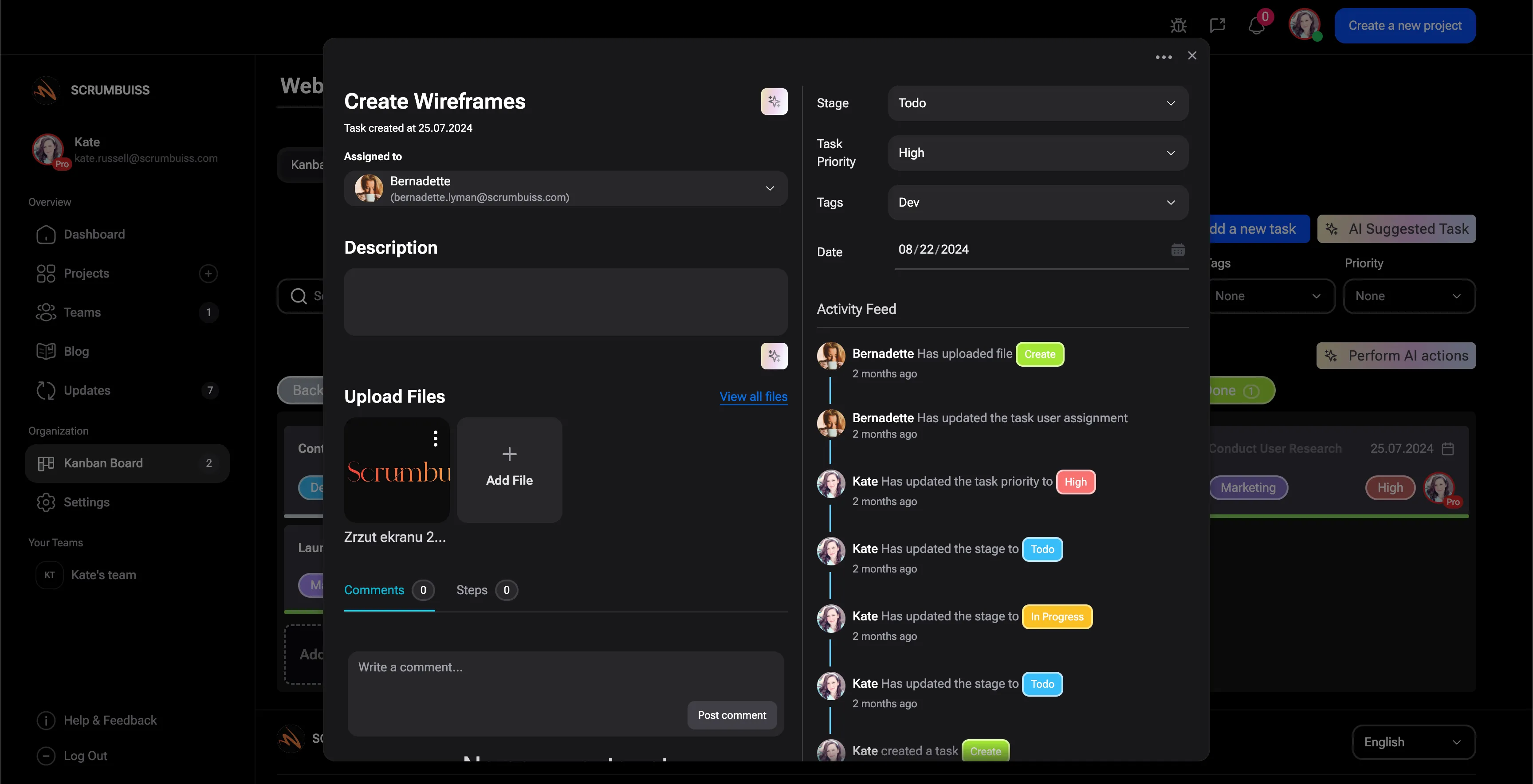
Scrumbuiss files and linked Google Drive project assets

Kickoff context

Connect project briefs and stakeholder context to the same source documents

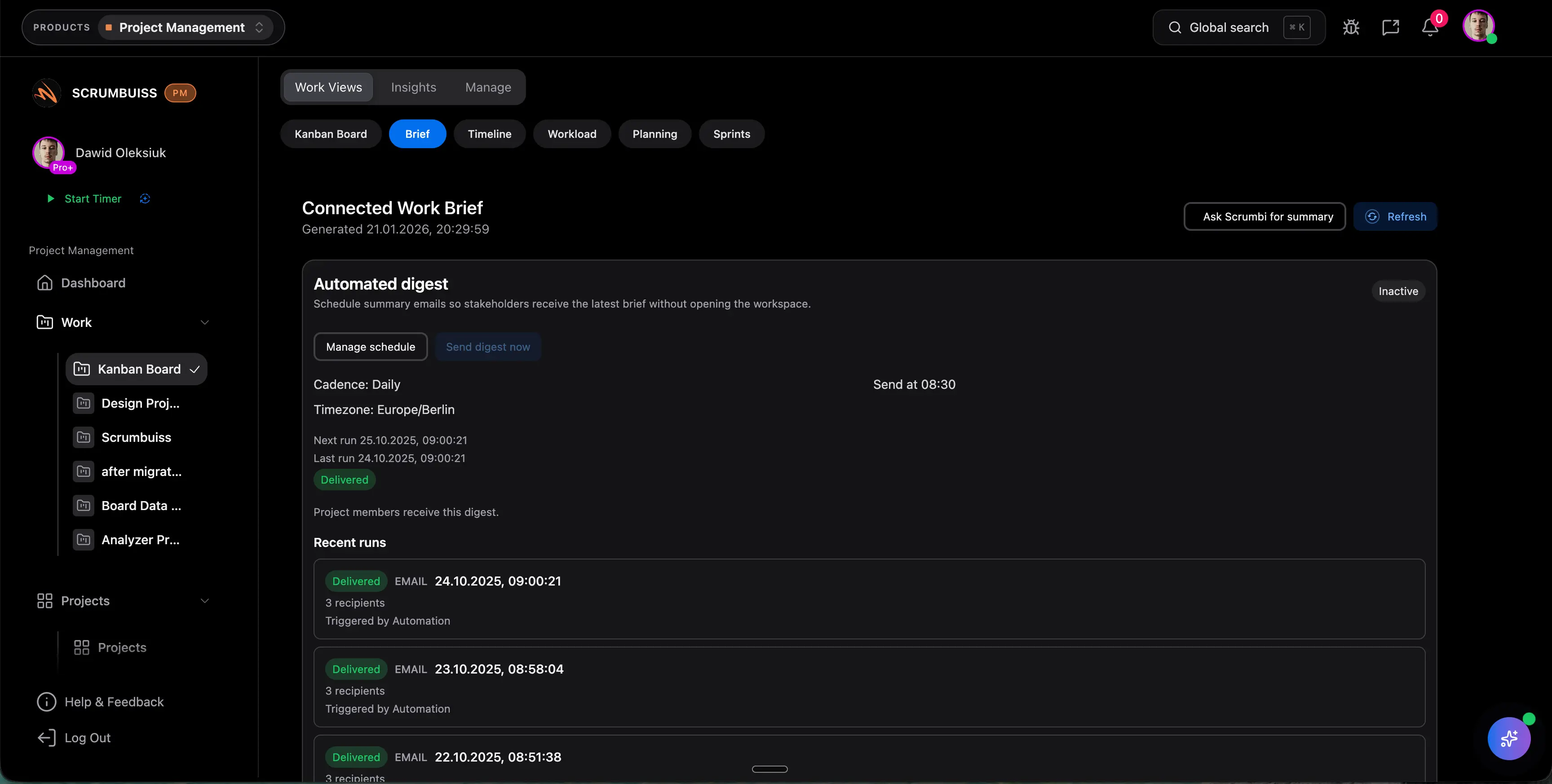
A Drive-connected workflow matters early in the project. If the brief, scope notes, or client inputs stay in Drive while execution happens somewhere else, teams rebuild context by hand. Linking those sources directly to project briefs and tasks makes kickoff cleaner and easier to revisit later.

  • Keep kickoff documents close to the brief and follow-up tasks that depend on them.
  • Make it easier for delivery, account, and production leads to open the same source files from the work itself.
  • Reduce repeated copying of client notes, assets, and supporting documents across tools.
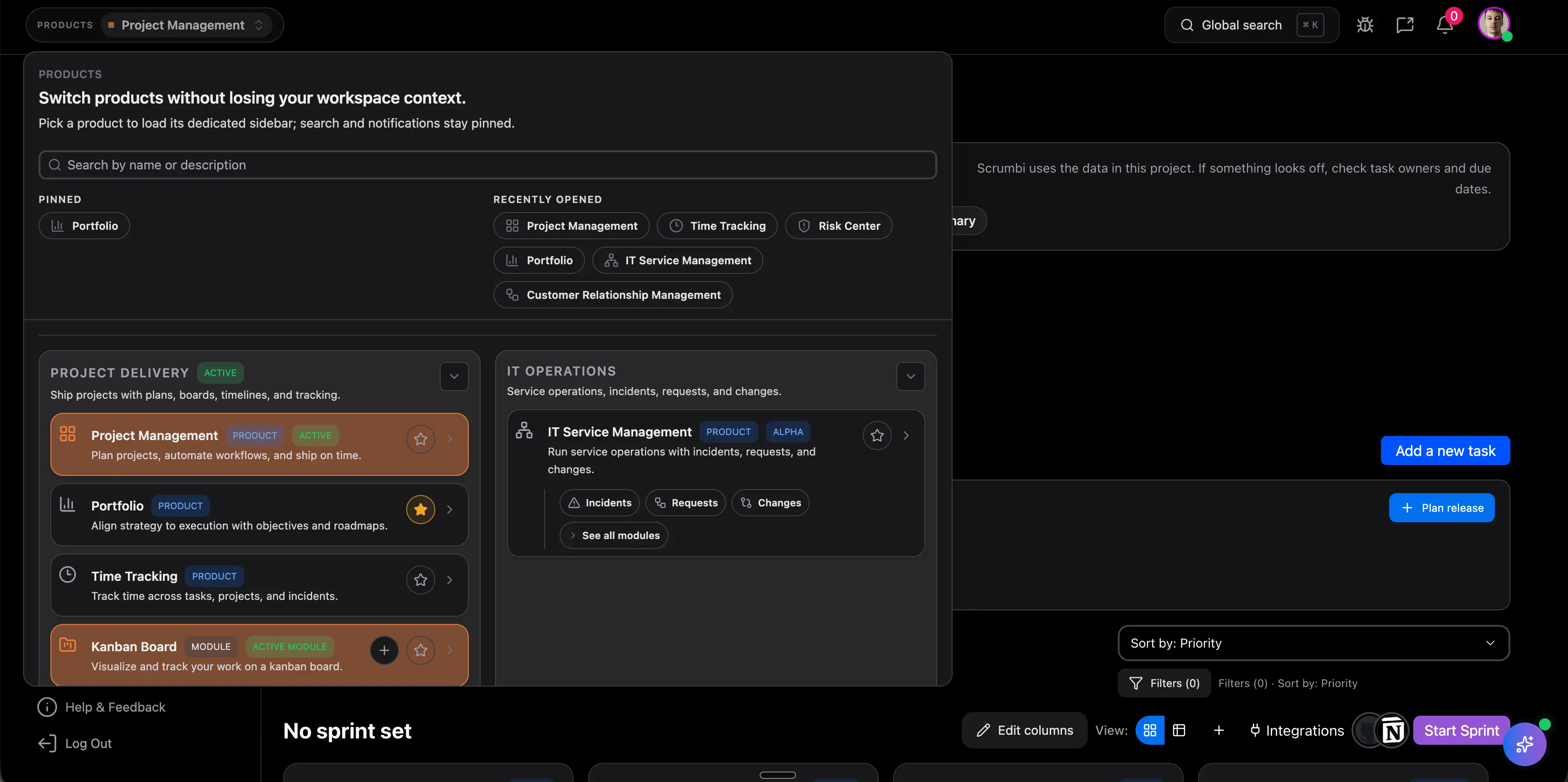
Scrumbuiss project brief with linked source context

Delivery visibility

Make weekly status reviews and file-heavy delivery work easier to run

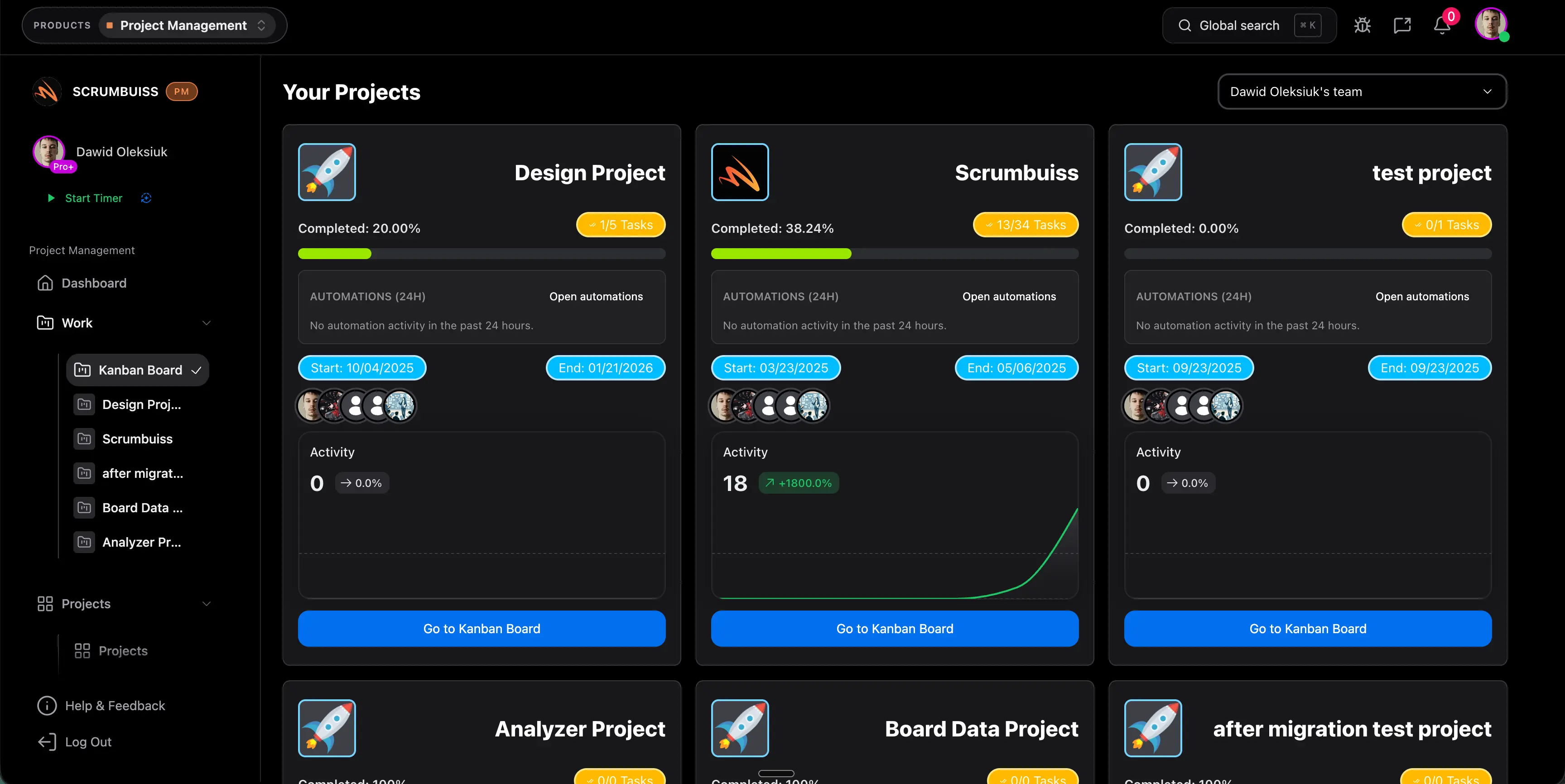
Agency teams rarely just store files. They need to move from source assets to delivery updates, time review, and client communication without losing context. Google Drive integration is helpful when file-heavy work stays readable in the broader delivery workflow, not only inside folder structures.

  • Keep deliverables, supporting docs, and project updates closer together during weekly reviews.
  • Give account, delivery, and production leads one place to understand what moved and what file context supports it.
  • Reduce version drift when status updates point back to the same docs and assets the team is using.
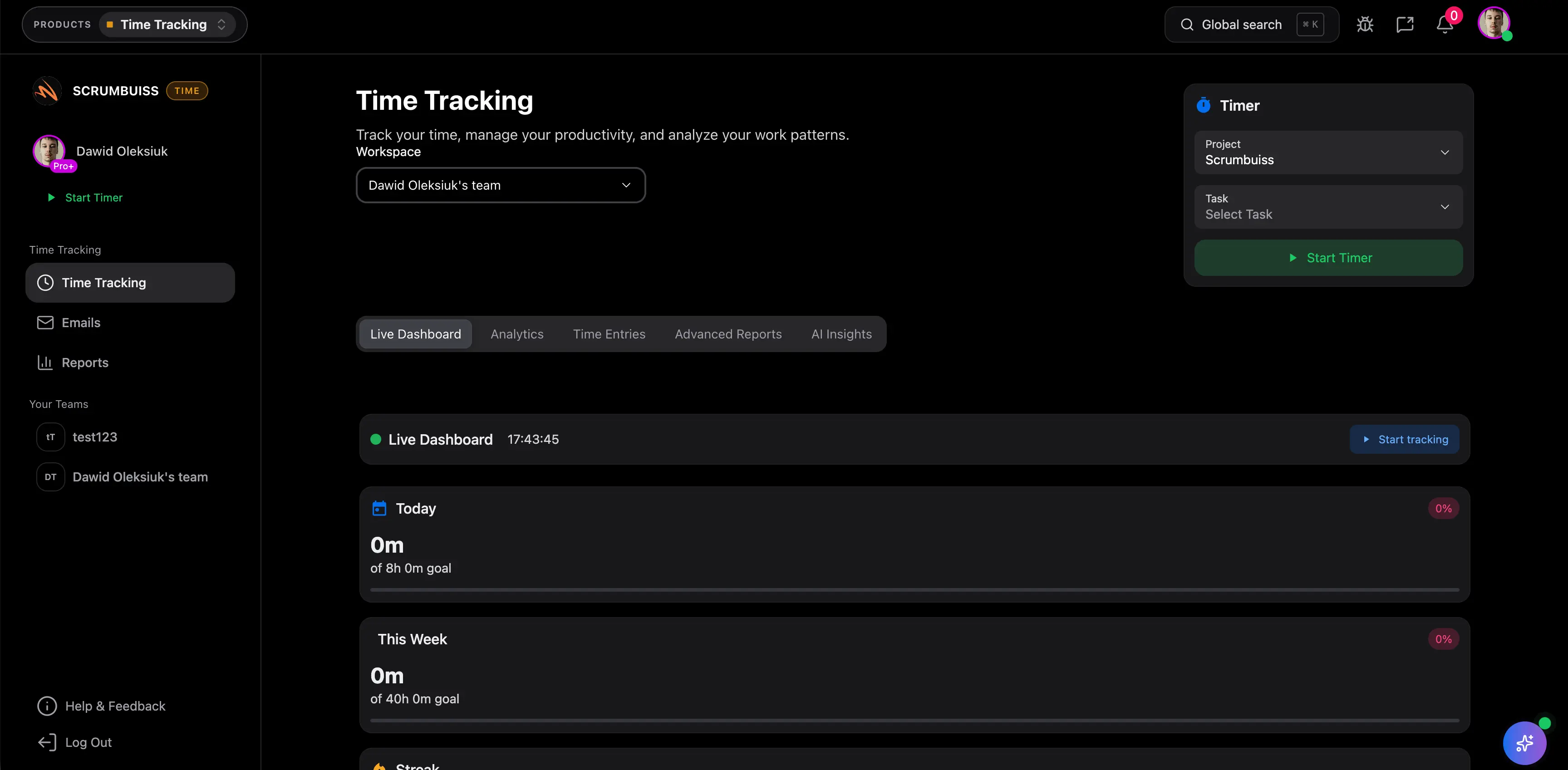
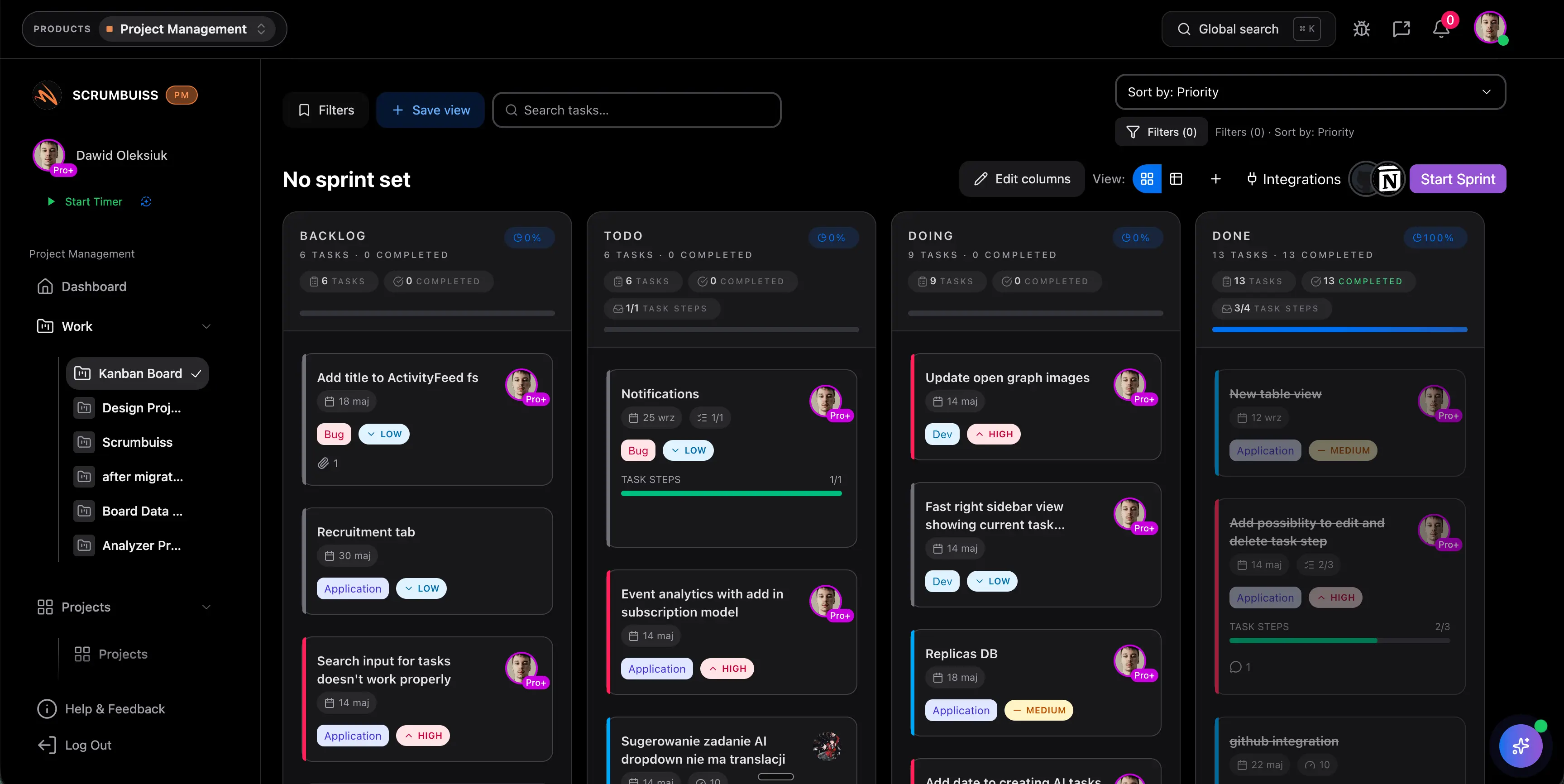
Scrumbuiss project delivery view with linked file context

Pilot design

Pilot the integration around one live client workflow before standardizing

The right test is one real kickoff-to-delivery loop, not a checkbox demo. Use one active client project, one shared Drive structure, and one recurring delivery review to see whether the team actually stopped duplicating assets and hunting for the latest file.

  • Pick one project brief, one shared folder structure, and one weekly status review.
  • Decide which assets should stay in Drive and which links should be visible in briefs, tasks, and dashboards.
  • Standardize only after the team runs one full cycle with fewer duplicate uploads and less version confusion.
Scrumbuiss file preview and linked delivery context

Competitor snapshot for Google Drive-connected project management

These tools all connect Google Drive differently. The useful buying question is whether Drive stays a side attachment or becomes usable project context across briefs, task execution, and client delivery reviews.

Tool Best for Google Drive angle Main tradeoff Why teams choose Scrumbuiss instead
Asana Cross-functional teams that want Google Drive files attached to tasks used by project and client-facing collaborators. Publicly positions the app around attaching files from Google Drive to Asana tasks. The workflow is centered on task attachments, not on a broader agency operating model for briefs, files, time review, and delivery handoffs. Scrumbuiss is stronger when teams want Drive files tied to the broader delivery workflow around briefs, execution, and reporting instead of only to individual tasks.
Teamwork Client-service teams that want project work and shared files connected in an agency-oriented workspace. Publicly positions the integration around connecting Google Drive files to project work and collaboration in Teamwork. Teams still need to validate how clearly files, briefs, and client-delivery context stay connected once the workflow expands beyond basic attachments. Scrumbuiss is stronger when the evaluation centers on keeping file context visible across briefs, delivery tracking, and adjacent workflows instead of only in the project record.
Wrike Teams that care about document control and keeping current file versions visible in work management. Publicly highlights document control and access to the latest versions of Google Drive documents inside Wrike. It is a heavier fit if the goal is a simpler client-delivery operating layer around briefs, files, and weekly status workflows. Scrumbuiss is stronger when agencies want a lighter workflow that keeps Drive files close to execution, time review, and project handoffs without that heavier setup.
ClickUp Teams that want Drive connected to a broad all-in-one task workspace. Publicly positions the integration around bringing Google Drive files into ClickUp task and workspace context. The broader workspace can become configuration-heavy when the main need is a clearer client-delivery workflow around files, briefs, and reporting. Scrumbuiss is stronger when the team wants a more opinionated delivery layer where source files, handoffs, and project visibility stay connected with less tool sprawl.

Review exact plan limits, Google Drive actions, and setup details on the vendor pages before you buy. Product names are trademarks of their respective owners.

Evaluation checklist for a Google Drive integration pilot

Use this checklist to test one live client-delivery workflow instead of stopping at file-attachment demos.

  1. Step 1

    Choose one active client project, one shared Drive folder structure, and one weekly delivery review for the pilot.

  2. Step 2

    Map which source files matter most: brief, scope notes, assets, feedback docs, and reports.

  3. Step 3

    Link those files in the briefs, tasks, and project views where the team actually works.

  4. Step 4

    Decide naming and ownership rules so the same file does not get re-uploaded into multiple places.

  5. Step 5

    Test a real handoff from kickoff to in-flight delivery to client review instead of sample data.

  6. Step 6

    Check whether time reporting, status review, and deliverable discussions still point back to the current source docs.

  7. Step 7

    Standardize only after the team finishes one full cycle with fewer duplicate uploads and less version confusion.

FAQ

These are the buying and rollout questions agencies and client-delivery teams usually need answered before Google Drive becomes part of a real delivery workflow.

What should project management software with Google Drive integration actually help with?

It should keep Google Drive files useful inside the broader delivery workflow. That usually means linking briefs, source assets, deliverables, and supporting documents to the tasks, project views, and reviews where the team already works instead of treating Drive as a separate file silo.

Is this mainly useful for agencies and client-delivery teams?

Often yes. Agencies usually feel the pain first because client briefs, feedback, deliverables, and status updates all depend on shared files staying easy to find. If the same source documents need to stay visible from kickoff through delivery, Google Drive integration becomes much more important.

Should Google Drive stay the system of record for files?

Usually yes for source documents and shared assets. The project-management layer should make those files easier to reach from the work itself, not replace Drive as the place where the source file lives. The useful question is whether the team can reach the right file without rebuilding context by hand.

How should we evaluate Google Drive integration during a trial?

Pilot one real client workflow with a live brief, active deliverables, and a weekly status review. Measure whether the team reduced duplicate uploads, version confusion, and time spent hunting for the current source file once work moved beyond kickoff.

Which competitors should we compare against?

Asana, Teamwork, Wrike, and ClickUp represent different buying patterns: cross-functional task collaboration, agency-oriented project work, heavier document control, and broader all-in-one work management. The right comparison depends on whether you need Drive as a basic attachment source or as ongoing project context.