Project Management Software for Software Teams
Project management software for software teams should do more than organize cards. The best software development project management software keeps sprint planning, dependencies, GitHub-adjacent delivery context, and stakeholder reporting inside one operating workflow so engineering leads are not rebuilding status by hand every week.
Reviewed on March 13, 2026
A practical workflow guide, illustrated with real Scrumbuiss screenshots. For real customer quotes, visit Customers .
How we evaluated project management software for software teams
Reviewed on March 13, 2026. This guide compares the workflow software teams most often struggle to keep readable in one place: sprint planning, backlog execution, dependency visibility, GitHub-adjacent delivery context, and weekly reporting for people outside engineering.
- We reviewed how Scrumbuiss supports that workflow across Project Delivery, Sprints, Gantt Timeline, Workload Capacity, Dashboard, and the GitHub integration.
- We compared that against the official positioning published by Atlassian for Jira Software, Asana for Engineering, and ClickUp for Software Teams.
- We prioritized people-first buyer intent: what software teams need to coordinate real delivery work, where board-only setups create reporting gaps, and what to validate in a live pilot before standardizing on a tool.
Who it’s for
Teams that want a clear workflow, less manual coordination, and better visibility.
- Software teams shipping product, platform, or internal tooling work across one or more squads
- Engineering managers who need schedule and dependency visibility before releases slip
- Product and delivery leads who need software-team reporting without chasing updates across tools
- Organizations testing whether one workflow can replace a board plus side spreadsheets and status decks
Highlights
- Sprint planning and backlog execution in one workflow
- Dependency and timeline visibility that engineering leads can act on
- GitHub-adjacent delivery context for handoffs and release reviews
- Workload and progress reporting that product and delivery leads can read
- Dashboards and weekly review views without rebuilding status updates by hand
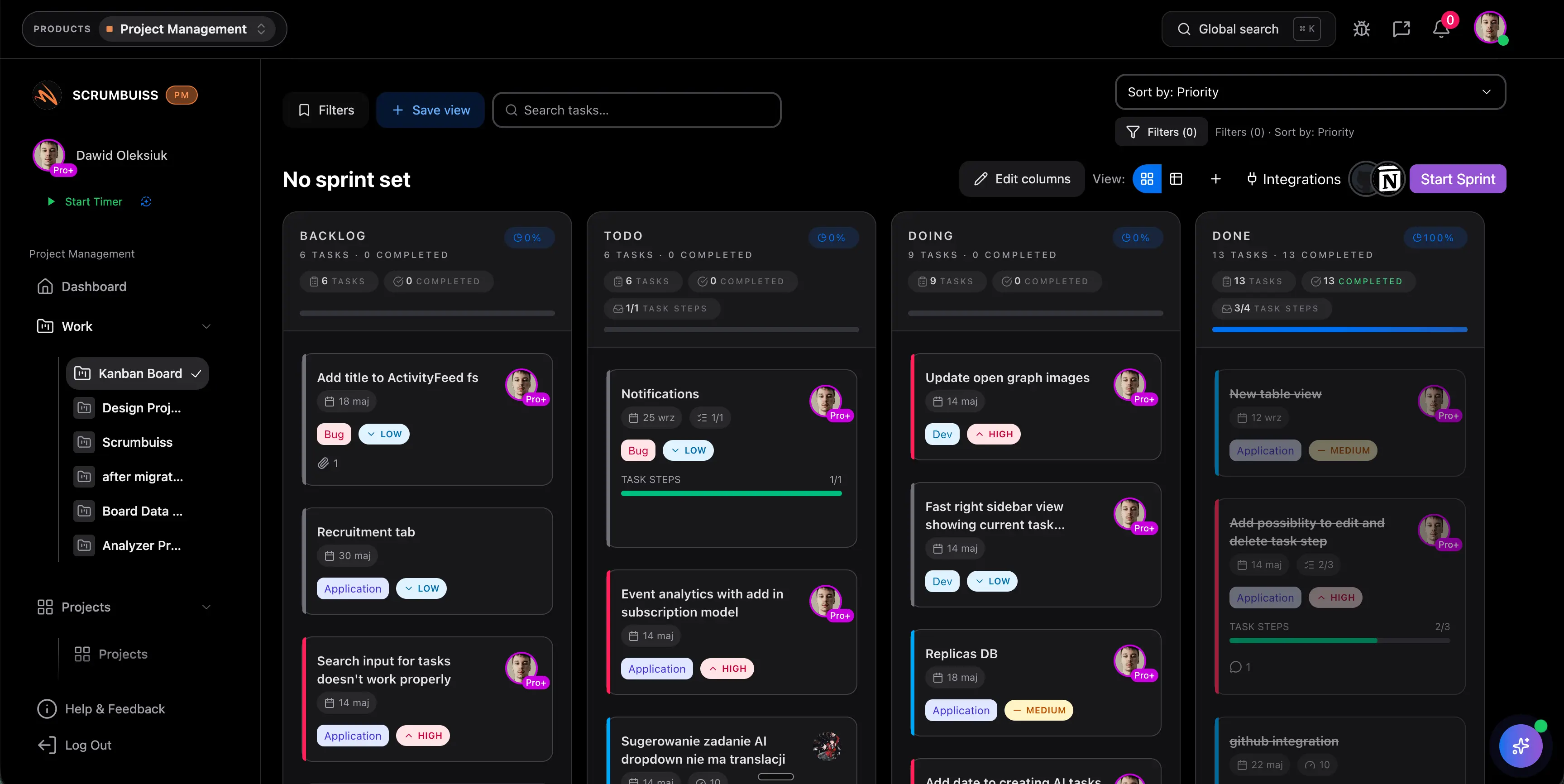
Software team buyer comparison
The harder question is not which board looks cleanest. It is which project management tools for engineering teams keep sprint planning, dependencies, GitHub signals, and stakeholder reporting readable in the same operating workflow.
| Platform | Best fit | Main tradeoff | Where Scrumbuiss is stronger |
|---|---|---|---|
| Scrumbuiss | Software teams that want sprint planning, execution, timeline visibility, workload review, and GitHub-connected context in one delivery operating layer. | It is newer and less familiar than Jira or Asana, so teams should validate the workflow with a live squad, real repos, and recurring delivery reviews before standardizing. | Keeps sprint planning, dependencies, workload, GitHub-adjacent context, and stakeholder reporting closer together instead of splitting them across boards and side systems. |
| Jira | Engineering organizations that want a mature issue-tracking system with broad developer adoption and a deep ecosystem around software delivery. | Teams still need to decide how product, delivery, and leadership will follow status, dependencies, and weekly reporting without living inside Jira all day. | Scrumbuiss is stronger when the shortlist prioritizes a more readable operating layer for delivery planning, workload review, and stakeholder reporting around engineering work. |
| Asana | Cross-functional product and engineering teams that want flexible task coordination inside a broader collaborative workspace. | Software teams often extend it with extra layers once sprint planning, GitHub context, dependencies, and engineering reporting need more structure than a general workspace provides. | Scrumbuiss is more opinionated around software delivery workflows, keeping planning, execution, and reporting closer to the engineering cadence. |
| ClickUp | Teams that want a highly customizable all-in-one workspace and are willing to invest time in configuring views, fields, and automations. | The flexibility can create heavy configuration and inconsistent workflows if teams need a clearer default operating model for software delivery. | Scrumbuiss offers a tighter workflow for teams that want sprint execution, dependencies, workload visibility, and delivery reviews connected without as much workspace design overhead. |
This is a fit-and-tradeoff view based on public product positioning and visible workflow coverage, not a feature-parity checklist.
Common challenges
- Sprint boards can look active while dependencies and release risk stay hidden until late
- GitHub activity, backlog work, and stakeholder updates live in different systems
- Engineering managers rebuild weekly delivery status for product or leadership by hand
- Multiple squads make workload, ownership, and cross-team coordination hard to read
- Teams outgrow board-only workflows once planning, execution, and reporting split apart
How it works
A practical workflow structure you can replicate in your own workspace.
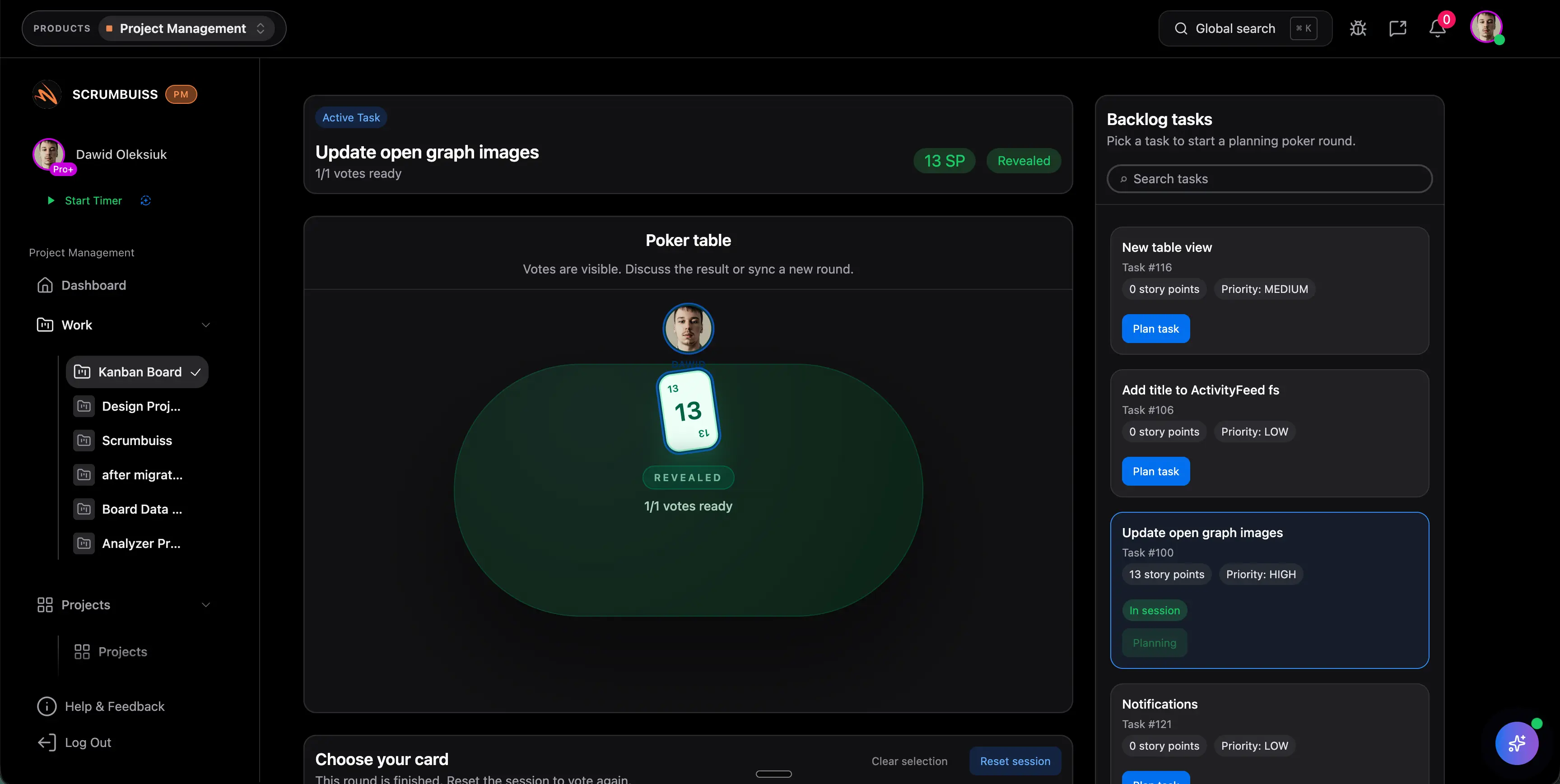
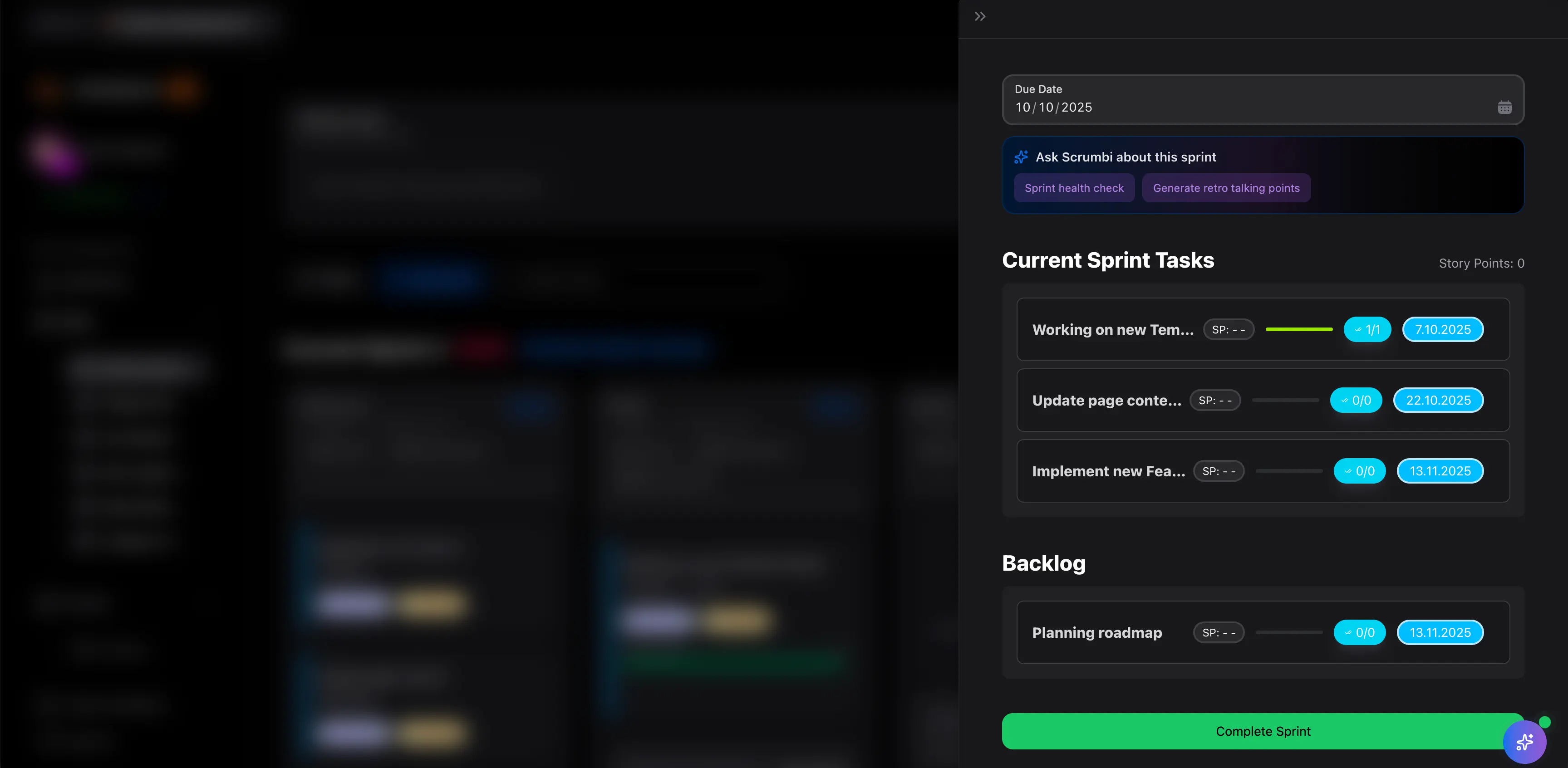
Plan sprint commitments with shared delivery context
Set scope, estimate work, confirm dependencies, and commit the sprint in one place before execution starts.
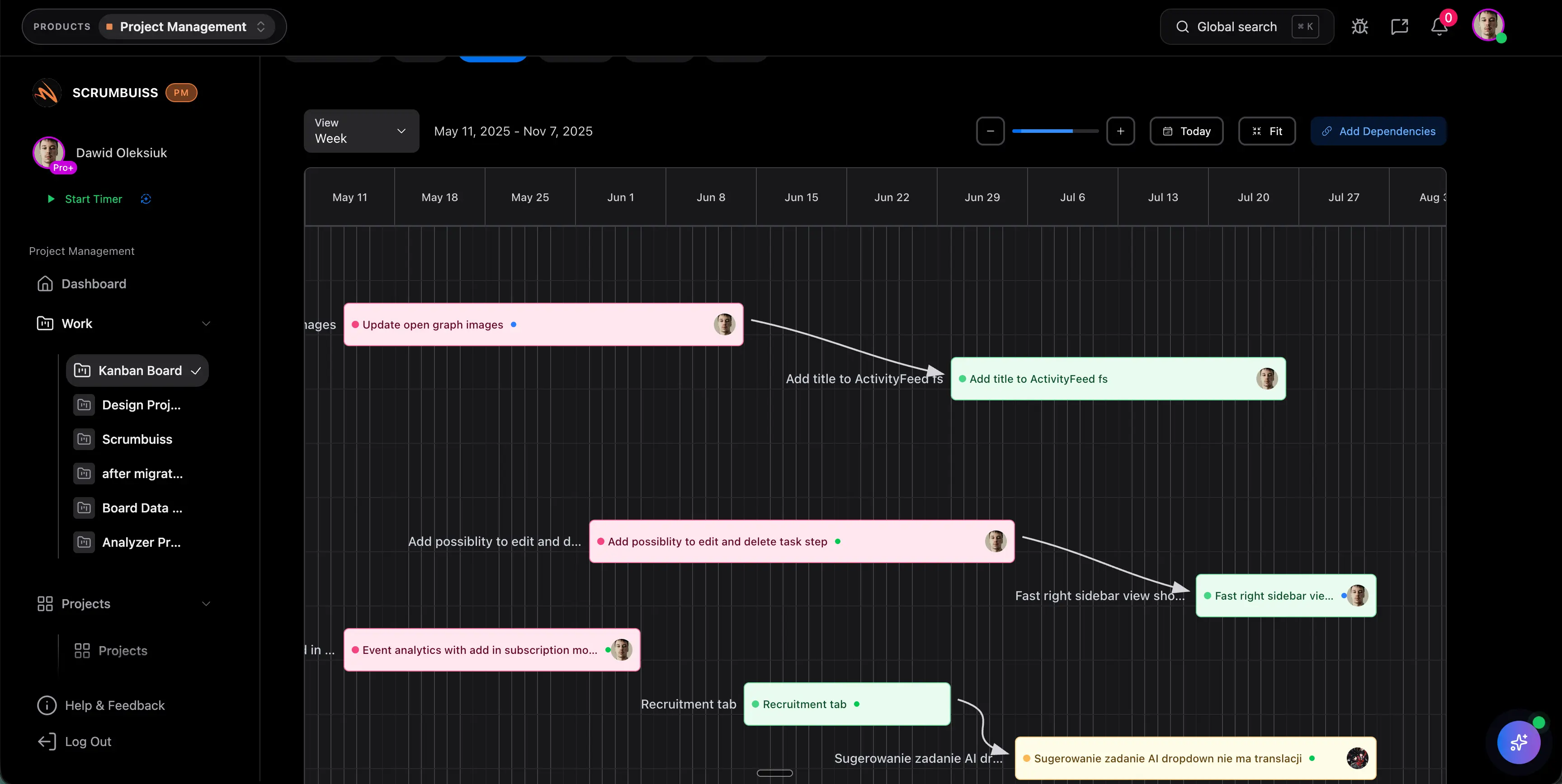
Run execution with dependency and repo visibility
Track active work, surface blockers, and keep code-adjacent delivery signals close to the sprint workflow so handoffs stay readable.
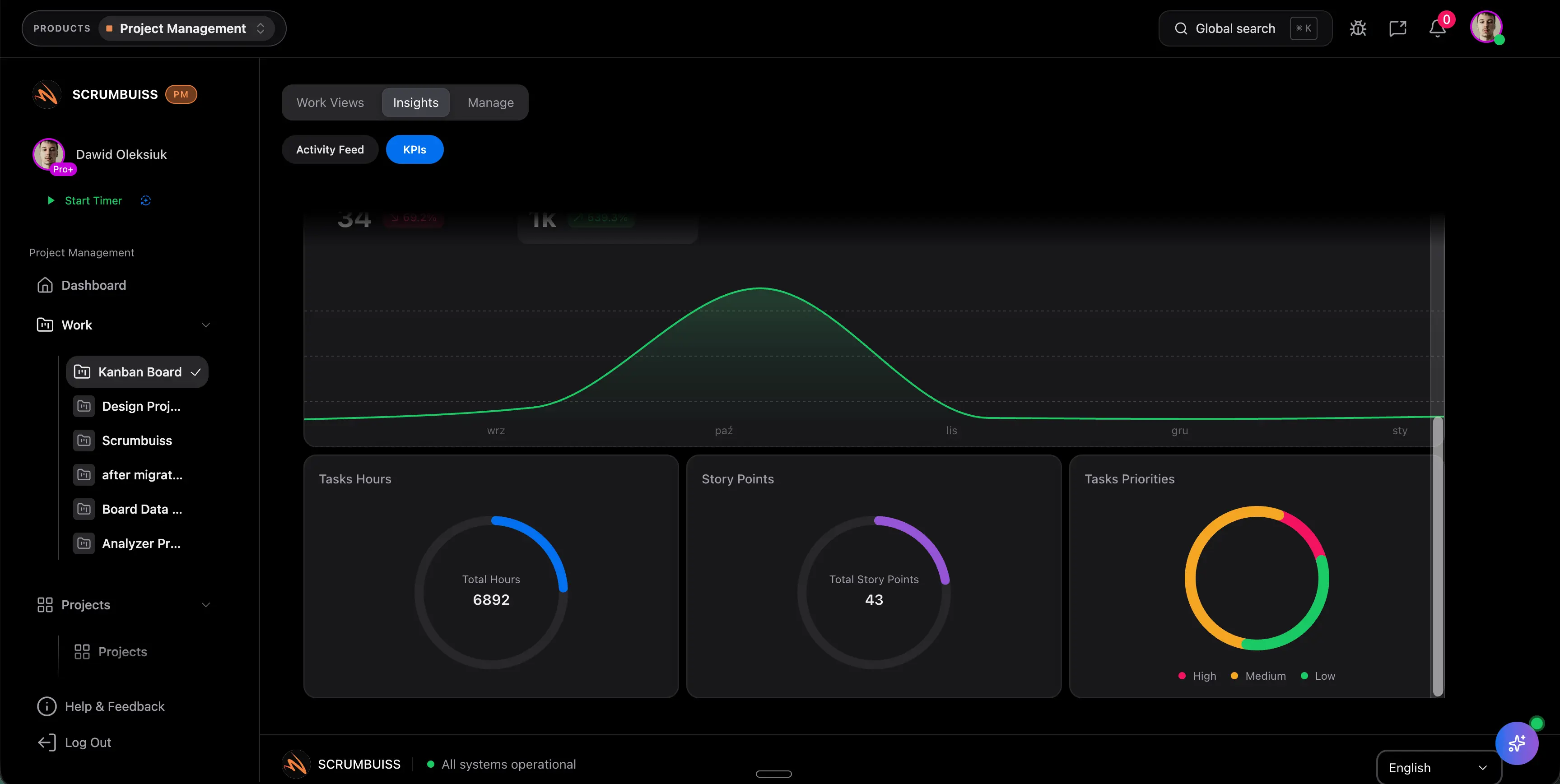
Review delivery progress without rebuilding the story
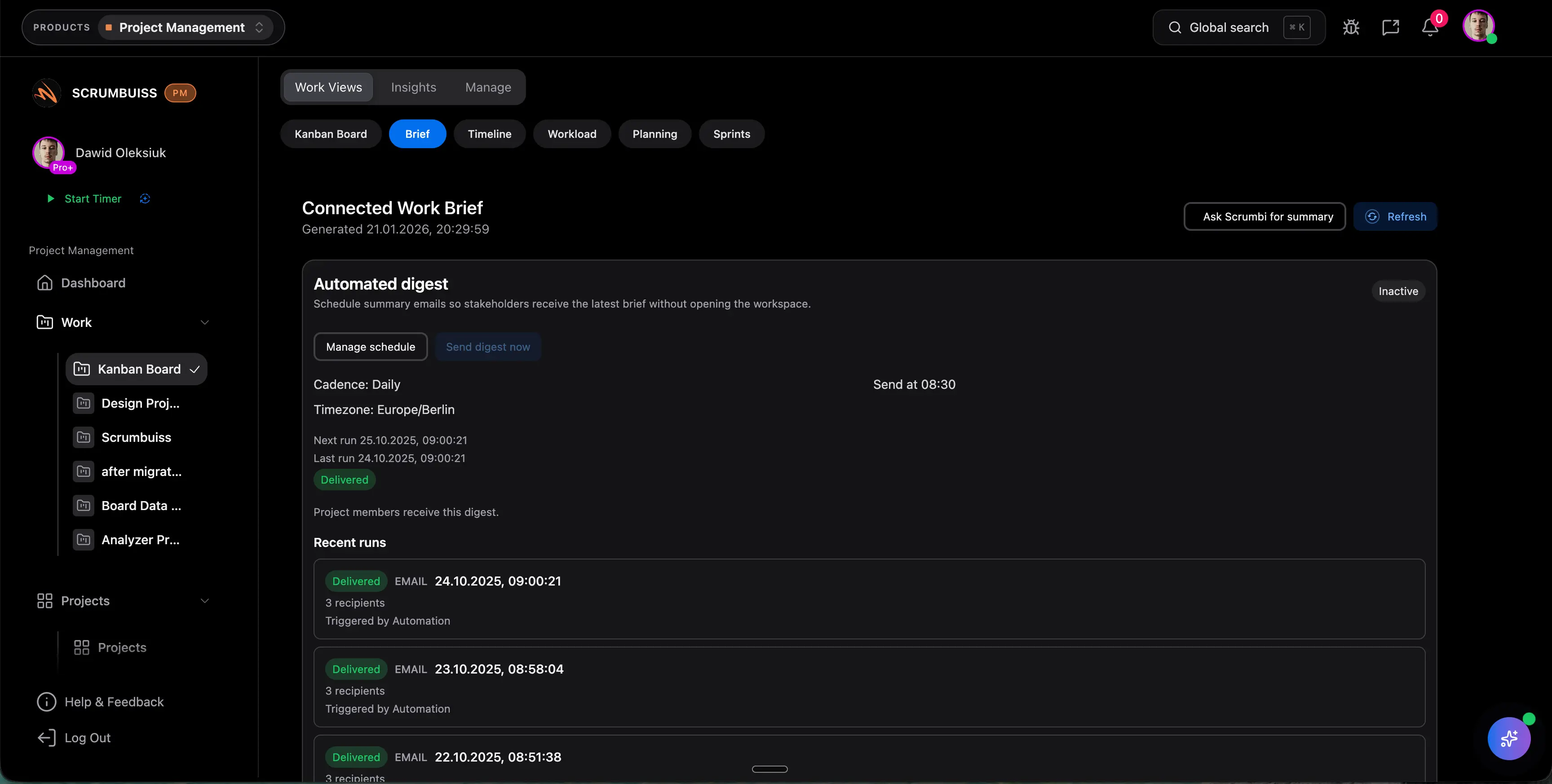
Use dashboards, activity history, and timeline views to explain progress, risk, and next steps to engineering, product, and leadership.
Related products
Products teams typically use to implement this workflow.
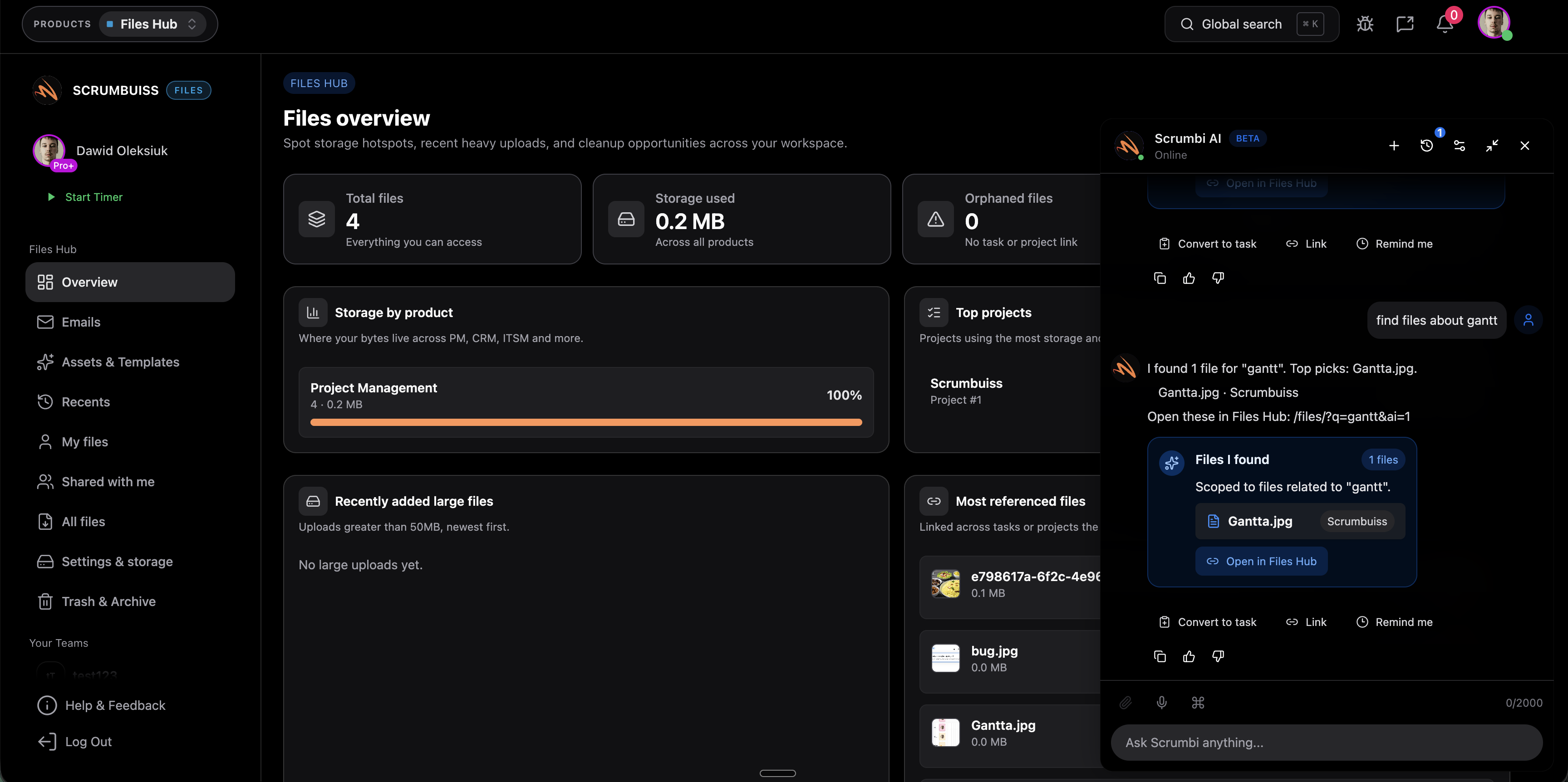
Project delivery
ProductPlan, execute, and ship with Kanban, sprints, timelines, workload planning, and dashboards.
- Kanban execution with clear ownership
- Sprints and backlog planning
- Timelines, dependencies, and capacity planning
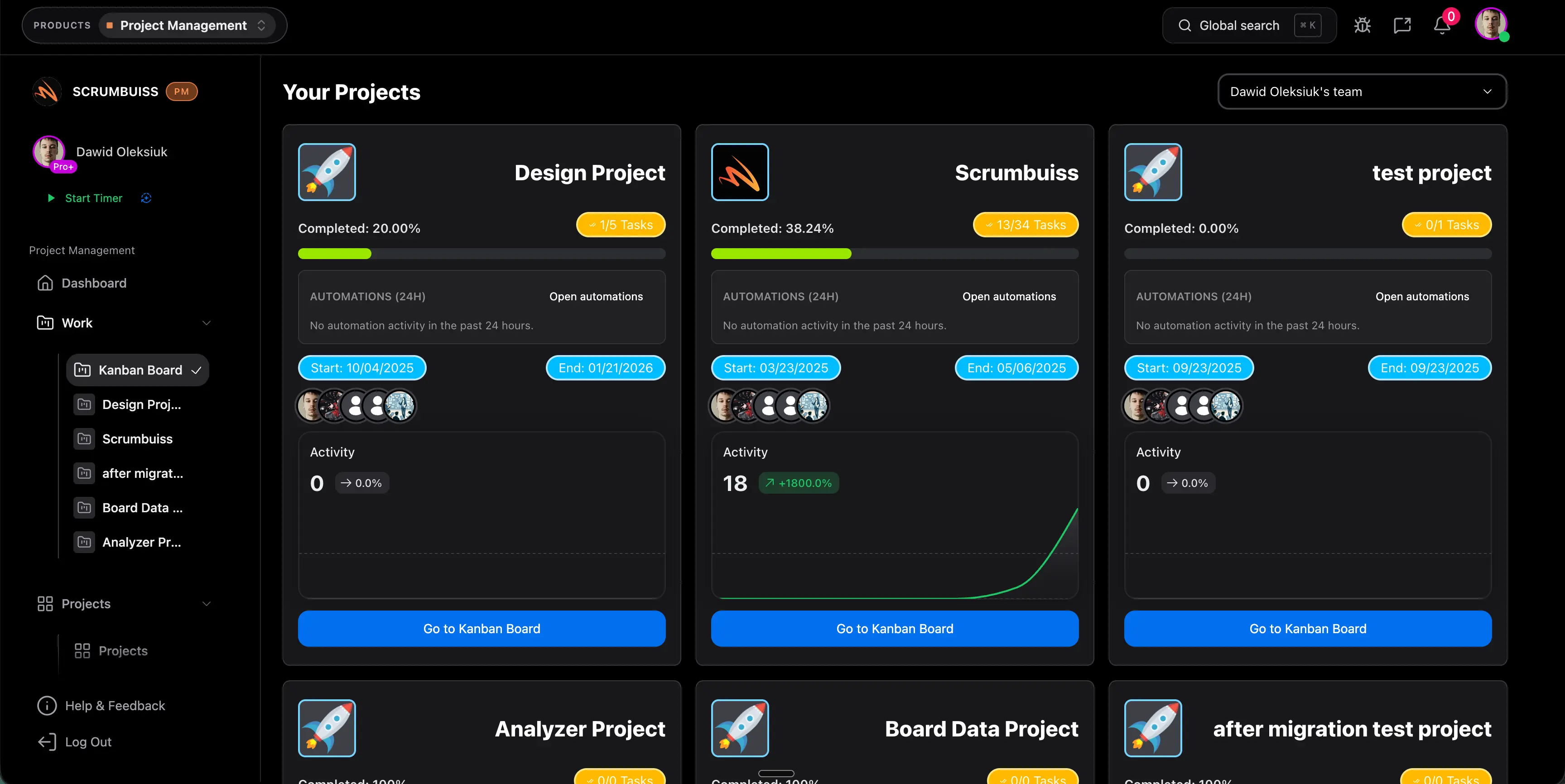
Portfolio
ProductTrack objectives and align roadmaps across projects to keep teams focused on outcomes.
- Objective tracking and progress visibility
- Roadmap planning across projects
- Portfolio-level reporting and alignment
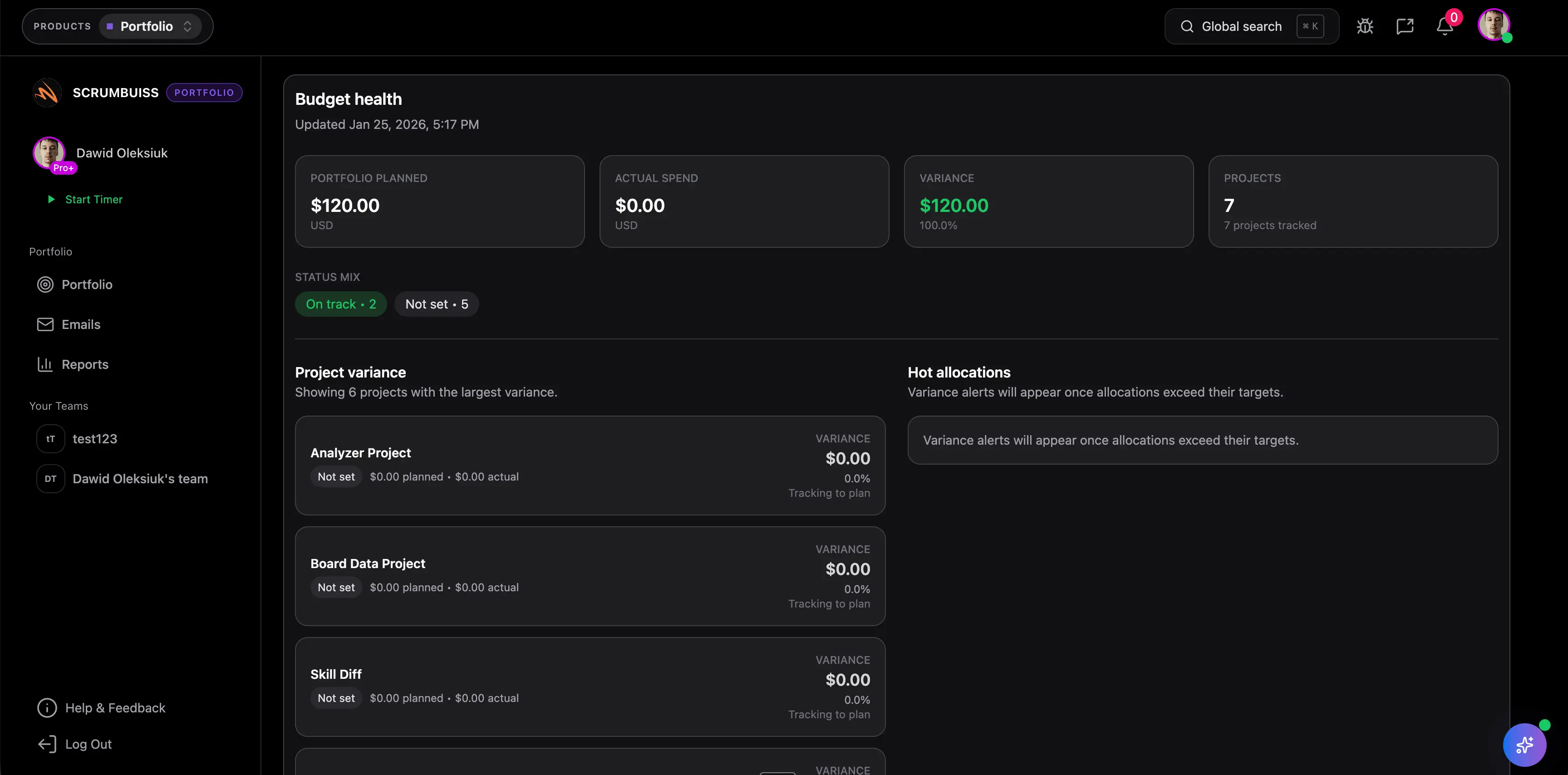
Risk Center
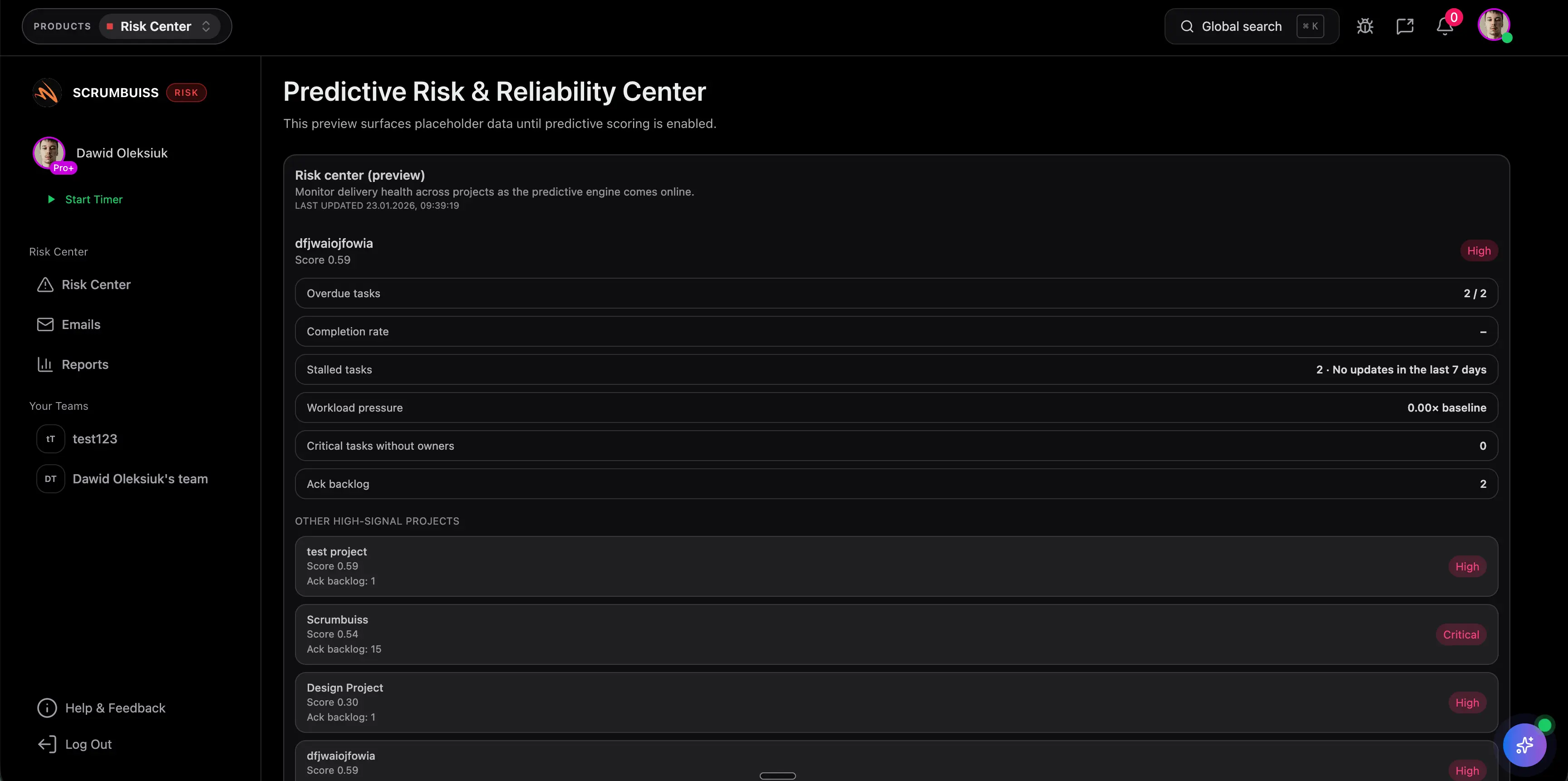
ProductDetect delivery risk early with trends, recommendations, and automation triggers.
- Risk snapshots and trend tracking
- Early warning signals for delivery work
- Recommendations and prioritization help
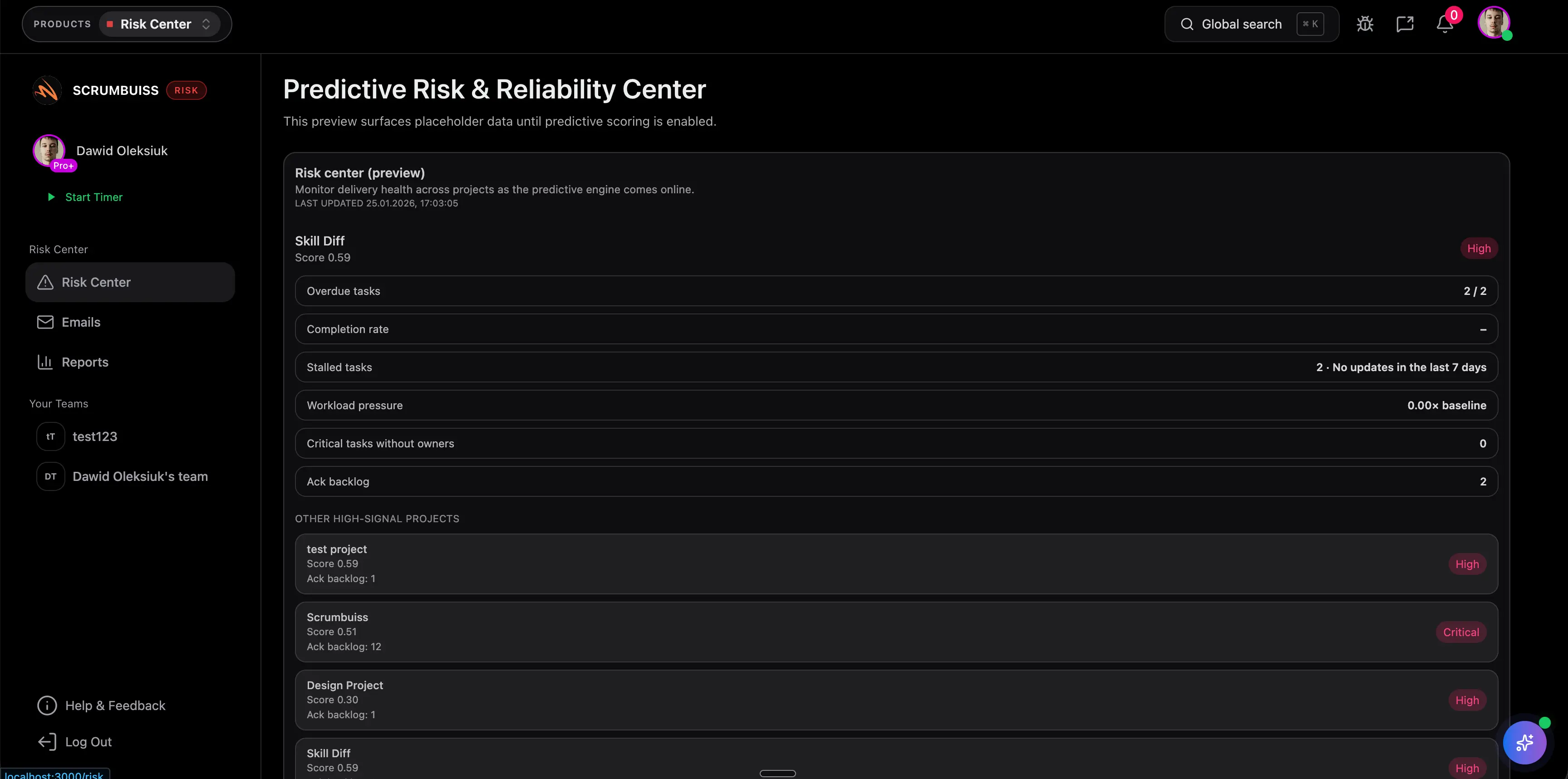
AI assistant
ProductAsk questions, summarize context, and speed up repetitive work with Scrumbi.
- Ask questions across tasks and context
- Summaries and faster decision-making
- Suggested actions with guardrails
Related templates
Templates you can copy and adapt for this workflow.
Sprint planning template
TemplateDownload a free sprint planning template with sprint goal, scope, capacity, dependencies, and a checklist you can reuse in Excel or Google Sheets.
- Sprint goal, selected work, and owners in one planning sheet
- Capacity and availability checks before the team commits
- Dependencies, blockers, and risks surfaced before kickoff
Project brief template
TemplateDownload a free project brief template with a filled example, one-page outline, and practical checklist for aligning scope, stakeholders, milestones, and handoffs.
- One-page brief for kickoff alignment and cleaner handoffs
- Scope, non-goals, stakeholders, milestones, and acceptance criteria in one place
- Filled example outline you can adapt for agencies or cross-functional delivery teams
Risk register template
TemplateDownload a free risk register template with likelihood × impact scoring, example rows, owners, and a weekly review cadence.
- Likelihood × impact scoring system
- Filled example rows with owners and mitigations
- Weekly review cadence with next actions
Potential impact (examples)
The examples below are illustrative and depend on your team, process, and workload.
Reduce manual status translation
Keep delivery signals, sprint progress, and project context in one operating layer so leads spend less time rebuilding updates for people outside engineering.
Example: Save 1–2 hours per week for engineering or delivery leads by turning live project data into faster weekly status reviews.
Catch dependency risk earlier
Bring timelines, blockers, and execution signals into the same workflow so the team can react before one late dependency cascades across the sprint.
Example: Prevent late re-planning and save 1–2 hours per squad per sprint by surfacing blocked or overloaded work sooner.
Tighten sprint planning
Run sprint planning with shared scope, estimates, and dependency context so planning meetings produce cleaner commitments and less rollover.
Example: Cut 30–45 minutes from planning or review ceremonies by reusing structured workflows instead of stitching together multiple tools.
ROI example
A simple way to think about profitability is saved time value (or recovered billable time) minus software cost.
Illustrative calculation (USD)
- Team size: 10
- Hours saved per person per week: 0.5
- Blended hourly rate: $75/hour
Estimated saved time: 5.0 hours/week
Estimated value: $375/week (~$1,624/month)
Illustrative example only. This is not a guarantee or customer result. Subtract your software costs to estimate net ROI.
Setup checklist
A practical checklist to implement this workflow inside Scrumbuiss.
- ✓ Pilot one squad and one active release cycle before rolling the workflow out more broadly.
- ✓ Define statuses, sprint cadence, owners, and priority rules that match your current delivery process.
- ✓ Add fields for effort, dependency, risk, release scope, and team ownership before importing live work.
- ✓ Connect GitHub and decide which repo events matter for delivery visibility and weekly review.
- ✓ Build views for sprint planning, dependency timeline, workload review, and stakeholder-ready status updates.
- ✓ Run one full sprint planning session and one weekly delivery review inside the workflow before you judge fit.
- ✓ Set go or no-go criteria: fewer manual updates, clearer dependency signals, better stakeholder readability, and cleaner sprint commitments.
FAQ
What should software teams look for in project management software? +
Software teams should look for software that keeps sprint planning, execution, dependency visibility, GitHub-adjacent delivery context, and stakeholder reporting connected. The more those pieces live in separate tools, the more status translation and release coordination become manual.
When do software teams outgrow board-only project management tools? +
Teams usually outgrow board-only tools when the board no longer explains delivery reality on its own. Once dependencies, repo activity, workload review, and stakeholder reporting live elsewhere, engineering managers end up rebuilding the story every week from multiple systems.
How should GitHub visibility factor into evaluation? +
GitHub visibility matters when code activity should inform planning and delivery review, not stay trapped inside the repo. The goal is not just a sync checkbox. It is whether commits, pull requests, and release signals help the team plan, unblock work, and explain progress outside engineering.
How should a software team run a pilot? +
Pilot one active squad, one repo, and one real release or sprint cycle. Measure whether planning is cleaner, dependencies surface earlier, weekly reviews take less time, and product or leadership can understand delivery status without extra translation.
Can Scrumbuiss support multiple squads or cross-functional product teams? +
Yes. Workspaces, projects, dashboards, and shared delivery views help teams segment squads while still giving engineering, product, and delivery leads a readable picture of progress across streams of work.
How does Scrumbuiss keep stakeholder reporting readable outside engineering? +
Scrumbuiss keeps sprint progress, dependencies, workload signals, and delivery context closer together so updates do not need to be rebuilt from scratch. That makes it easier to explain what moved, what is blocked, and what changed since the last review without sending every stakeholder into the repo or issue tracker.
Related features
Explore the building blocks used in this workflow.