Data Warehouse Go-Live Testing Checklist Guide
A data warehouse go-live testing checklist verifies that business users can trust the data, reports, access rules, refresh process, and support model before a warehouse becomes the source for decisions. Data warehouse launches need stronger evidence than a simple deployment checklist because defects can affect reporting, finance, operations, and leadership decisions.
This guide targets the SEMrush long-tail query "enterprise data warehouse testing checklist before go-live" and related data warehouse testing terms. It is distinct from the general go-live checklist guide because the main risk is data trust.
Key Takeaways
- Data warehouse readiness depends on reconciliation, lineage, access, performance, refresh stability, and report validation.
- Business owners should validate critical metrics before go-live.
- Testing should include failed refreshes, missing data, permission issues, and report impact.
- Support ownership should be clear before teams depend on the warehouse.
Data Warehouse Go-Live Testing Checklist
| Area | What to test |
|---|---|
| Source coverage | Required source systems and tables are included |
| Data ingestion | Loads run on schedule and failure alerts are visible |
| Transformations | Business rules, joins, filters, and calculations are reviewed |
| Reconciliation | Key counts, totals, and samples match trusted sources |
| Security | Roles, permissions, row-level access, and sensitive fields are reviewed |
| Reports | Critical dashboards and extracts show expected results |
| Performance | Important queries and dashboards run within acceptable time |
| Monitoring | Refresh failures, data freshness, and pipeline health are tracked |
| Support | Data owner, engineering owner, and business escalation path are named |
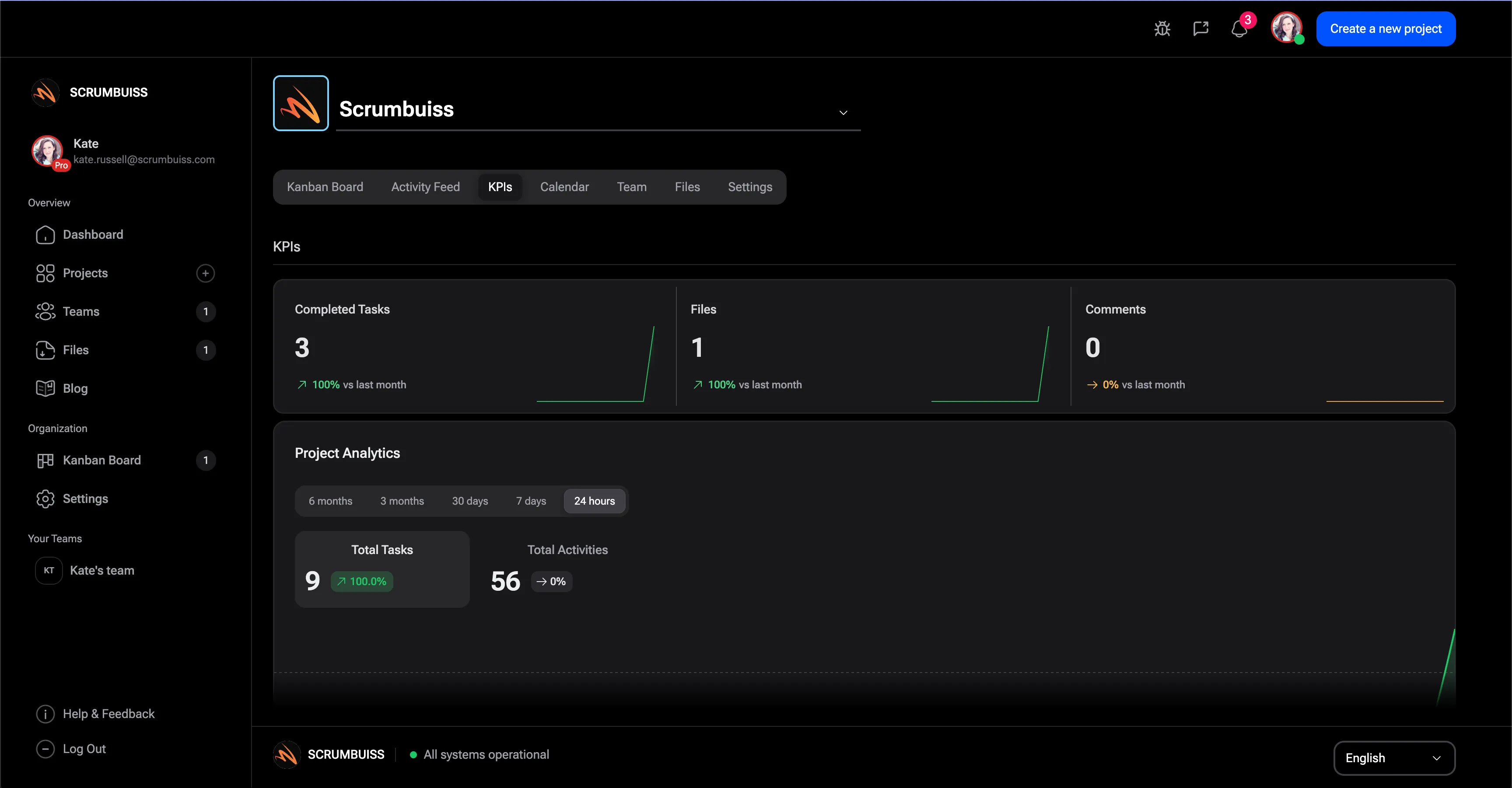
Scrumbuiss supports data launch coordination with Dashboard, Risk Center, Files, Project Delivery, and Project Reports.
Reconciliation Checks
Reconciliation is the strongest evidence that the warehouse can be trusted.
| Check | Example |
|---|---|
| Record counts | Source orders count equals warehouse orders count for the same period |
| Financial totals | Revenue, cost, or invoice totals match the system of record |
| Dimension mapping | Customers, products, owners, and regions map correctly |
| Date logic | Time zones, fiscal periods, and date filters behave as expected |
| Sample records | Individual records match from source to report |
Go-Live Decision Criteria
| Decision area | Launch standard |
|---|---|
| Critical reports | Approved by business owner |
| Known defects | Documented with severity and workaround |
| Access | Tested for each role group |
| Refresh | Stable enough for expected operating cadence |
| Monitoring | Alert owner and triage path confirmed |
If the warehouse is not trusted, do not solve that by asking users to "double check" reports manually. Fix the evidence gap or launch with explicit limitations.
FAQ
Frequently
asked
questions
Related features
Explore the Scrumbuiss features mentioned in this article.
- Dashboard
Track project progress, blockers, workload, KPIs, status reporting, and analytics context in one live dashboard.
Unlock Success &
Power Up Your Projects
Next to explore
Explore more pages to understand the product suite, common workflows, and evaluation guides.