Stakeholder matrix template
Download a free stakeholder matrix template for stakeholder mapping, influence, interest, decision rights, communication cadence, owners, and next actions.
Use this stakeholder matrix template to map influence, interest, decision rights, concerns, communication cadence, and follow-up ownership before project decisions drift into side conversations.
What this stakeholder matrix helps you do
Use these checkpoints before kickoff, intake approval, leadership review, or client handoff.
- ✓ Map stakeholder roles, interest, influence, decision rights, concerns, and communication cadence
- ✓ Clarify who owns follow-up before project intake, kickoff, or delivery handoff
- ✓ Use the CSV format to compare stakeholders quickly during charter, brief, or status review
- ✓ Move into Scrumbuiss when stakeholder updates, approvals, and decisions need live ownership
When to use this template
A stakeholder matrix is most useful when approvals, communication, or decision rights can affect delivery speed.
- Before kickoff, when the team needs to understand who can influence scope, approvals, risk, or launch readiness.
- During project intake, when stakeholder sensitivity affects priority, routing, or approval requirements.
- Before a client handoff, implementation kickoff, or leadership review.
- When project updates are failing because the wrong people receive the wrong information at the wrong time.
What is inside the stakeholder matrix template
The template covers stakeholder mapping, influence, interest, decision rights, current sentiment, communication needs, owners, and next actions.
What to include in a stakeholder matrix
A useful matrix makes stakeholder power, concerns, update needs, and follow-up ownership visible before work starts moving.
Influence and interest
Use simple high, medium, or low labels so the team can decide who needs deeper involvement and who needs concise updates.
Decision rights
Write what each stakeholder can approve or block so ownership and escalation are visible.
Key concern
Capture the issue each stakeholder is most likely to care about, such as budget, deadline, customer impact, risk, or adoption.
Communication cadence
Define how often each stakeholder needs updates and which channel should be used.
Owner and next action
Assign a follow-up owner so stakeholder management turns into work, not just a map.

Stakeholder matrix example
Use these examples to map sponsors, requesters, approvers, contributors, and external stakeholders.
Executive sponsor
High influence and high interest. Needs outcome metric, budget impact, and clear escalation when scope changes.
Requester
High interest and medium influence. Needs milestone timing, open-question visibility, and a clear path for acceptance.
Approver
Medium interest and high influence. Needs evidence, risk notes, and decision history before approving launch or spend.
Contributor
Medium interest and medium influence. Needs handoff details, files, due dates, and a clean place to resolve questions.
Stakeholder review checklist
Run this checklist before sharing the stakeholder map or using it in a project review.
- Every stakeholder has a named role and organization.
- Decision rights are written clearly enough that approvers and blockers are visible.
- High-influence stakeholders have a communication cadence and owner.
- Key concerns are specific, not generic labels like alignment or visibility.
- Next actions are assigned for unresolved concerns, missing information, or approval steps.
- The matrix is connected to the charter, project brief, status report, or delivery workflow.
Common stakeholder mapping mistakes
These patterns usually create unclear approvals, missed expectations, and late communication problems.
- Listing stakeholders without identifying who can make or block decisions.
- Treating influence and interest as a one-time exercise instead of updating it when the project changes.
- Using the matrix only for reporting instead of assigning follow-up owners.
- Sending the same update to every stakeholder even when their concerns and decision rights differ.
- Keeping stakeholder notes in a spreadsheet after approvals, risks, and status updates have moved into live delivery.
How to use this stakeholder matrix
Start with the CSV, confirm decision rights, and connect the matrix to Scrumbuiss when stakeholder updates, approvals, and status reviews need to stay current.
Map stakeholder roles
List sponsors, requesters, approvers, contributors, and external stakeholders before kickoff or approval.
Score influence and interest
Use simple high, medium, or low labels to decide who needs approval gates, working sessions, or lighter status updates.
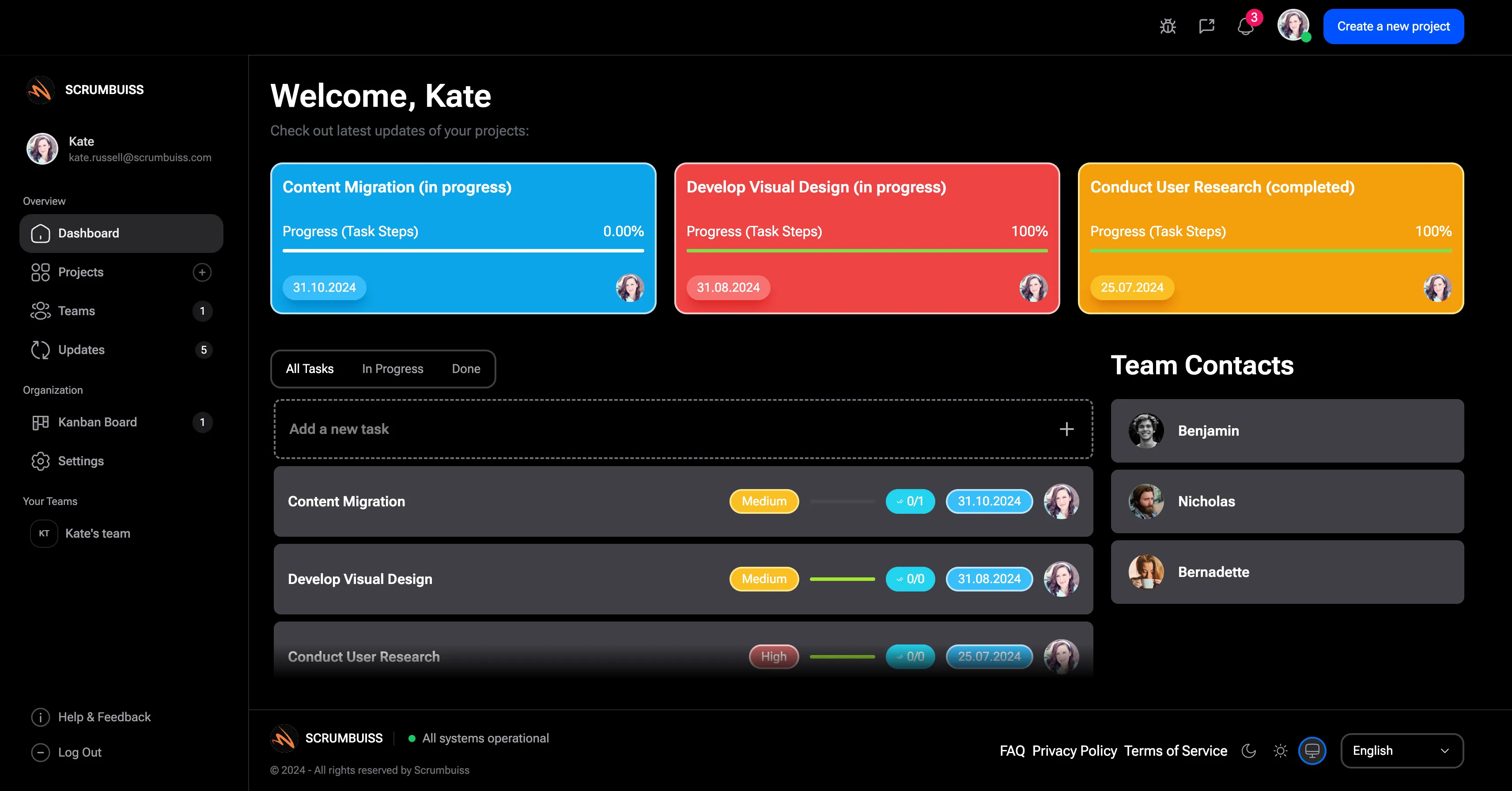
Assign follow-up ownership
Convert stakeholder concerns into owned next actions so communication, approvals, and decisions stay connected to the live workflow.
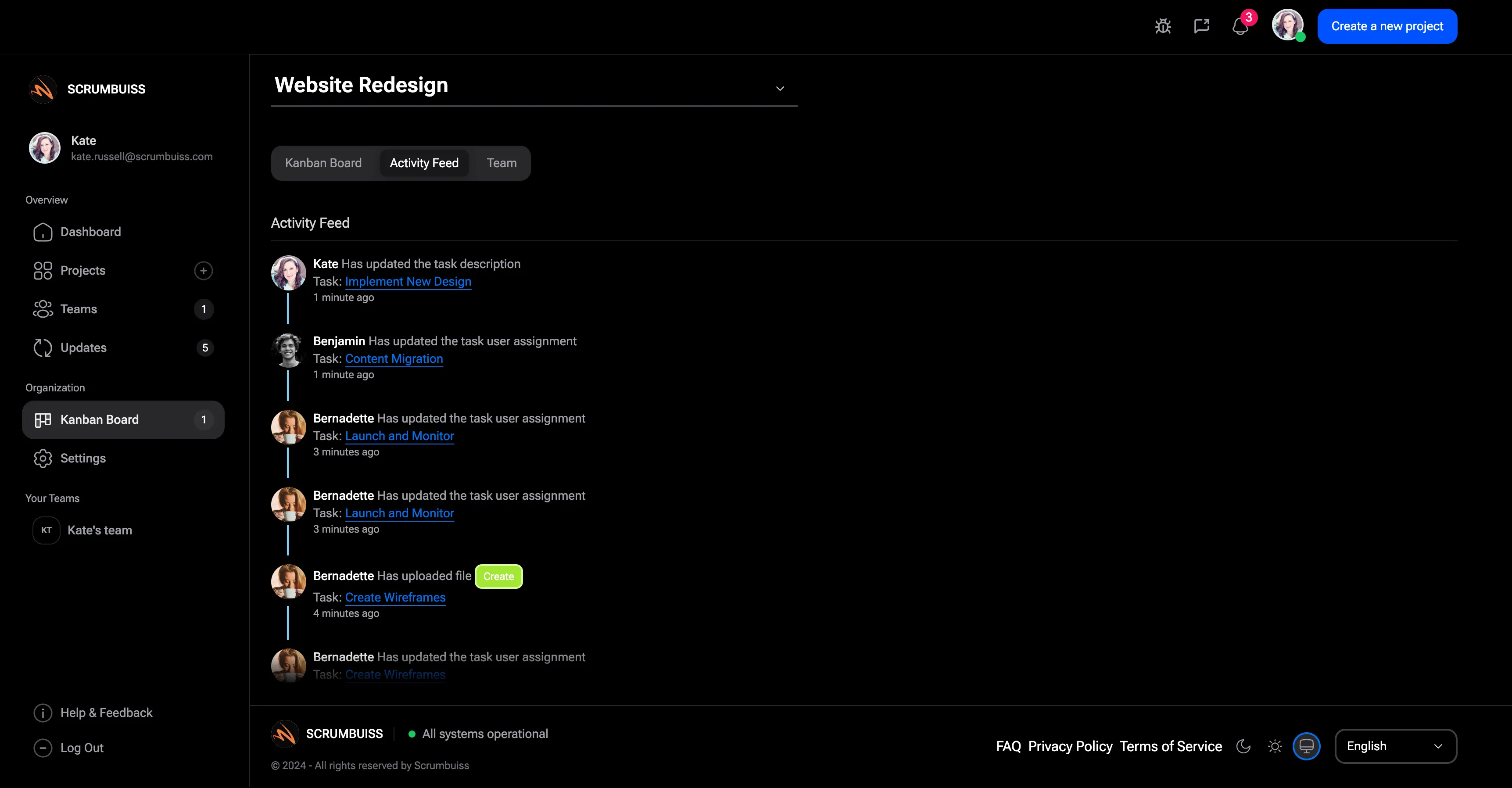
Related stakeholder workflows
Use these Scrumbuiss pages when stakeholder mapping needs to stay attached to intake, briefs, status reports, dashboards, and delivery work.
Recommended workflows
These workflows benefit from clear stakeholder mapping before kickoff, approval, or review.
Software teams
Use caseProject management software for software teams that keeps sprint planning, dependencies, GitHub-adjacent delivery visibility, and stakeholder reporting in one workflow.

IT operations
Use caseProject management software for IT operations that keeps incidents, change windows, automations, and Slack-connected updates visible in one delivery workflow.
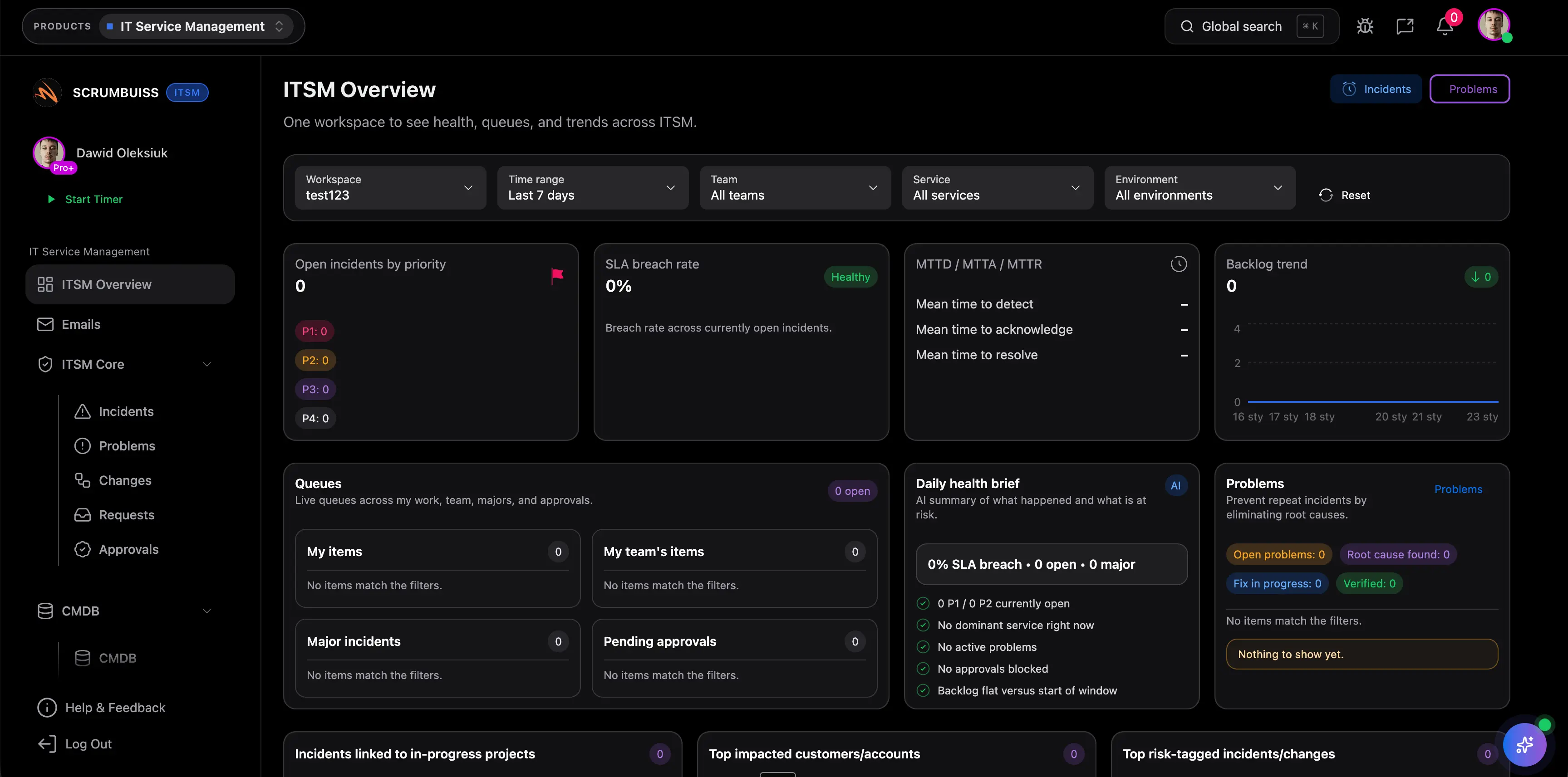
Client onboarding
Use caseClient onboarding software for agencies and implementation teams that keeps the closed-won handoff, kickoff brief, files, approvals, and first status cycle in one workflow.
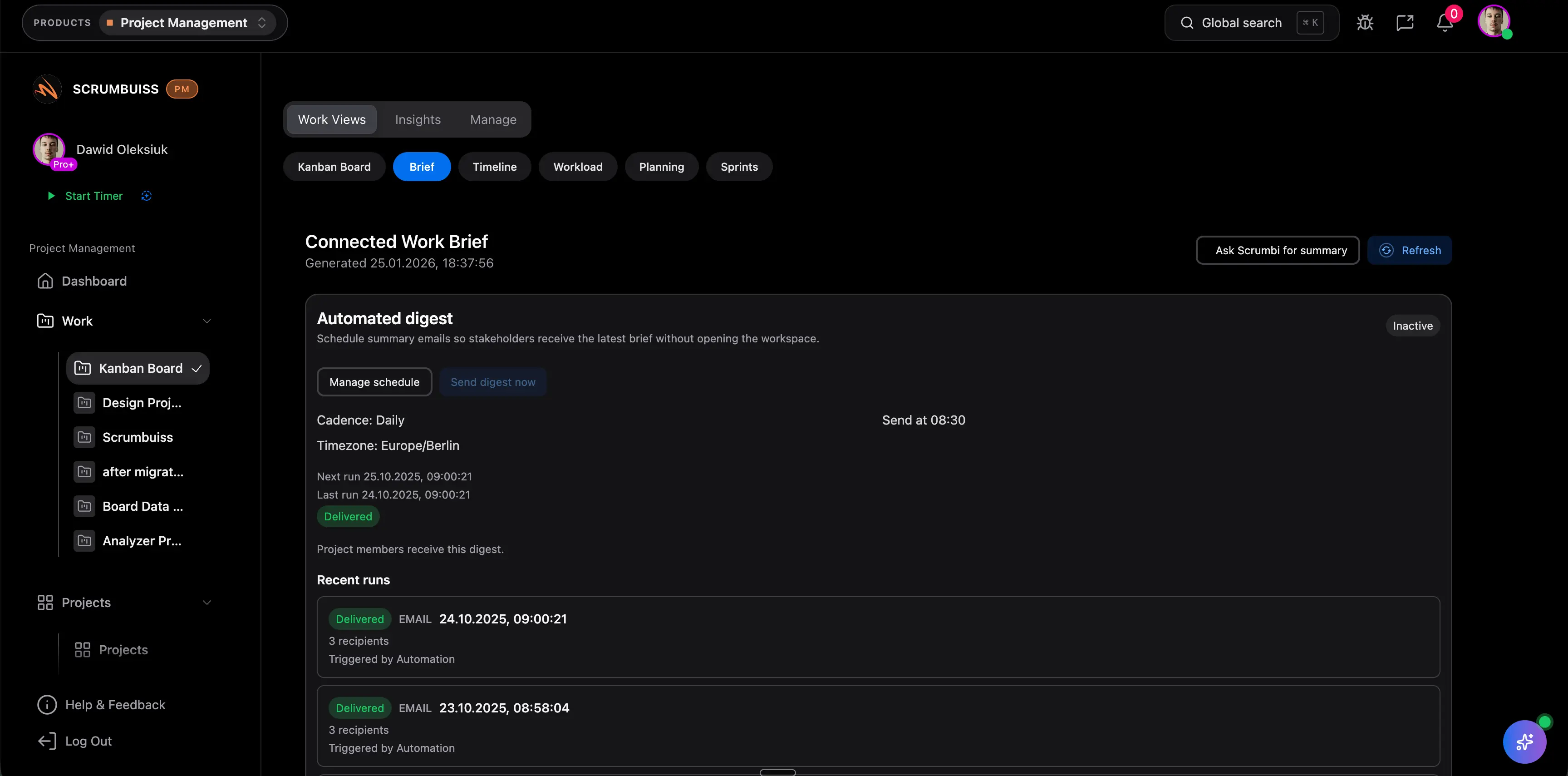
Client project management
Use caseClient project management software for agencies that keeps intake, briefs, files, approvals, time tracking, workload, and client-visible status in one workflow.
Agencies
Use caseProject management software for agencies that keeps time tracking, files, workload visibility, and reporting in one workflow.
Need more ideas? Browse use cases .
Stakeholder matrix template FAQ
What is a stakeholder matrix template? +
A stakeholder matrix template is a structured sheet for mapping stakeholders by role, influence, interest, decision rights, communication needs, owner, and next action.
What is the difference between a stakeholder map and stakeholder matrix? +
A stakeholder map is often a visual view of relationships or influence. A stakeholder matrix is a more operational table that helps teams assign communication cadence, decision rights, owners, and follow-up.
What should influence and interest mean? +
Influence is the stakeholder's ability to affect decisions, funding, scope, risk, or launch readiness. Interest is how closely the outcome affects them or how much detail they need during delivery.
When should stakeholder mapping happen? +
Do it before kickoff or intake approval, then update it when scope, timeline, risk, sponsorship, or acceptance criteria change.
When should a stakeholder matrix move into project management software? +
Move it into software when stakeholder concerns, decisions, approvals, and status updates need owners and due dates instead of living in a static spreadsheet.